

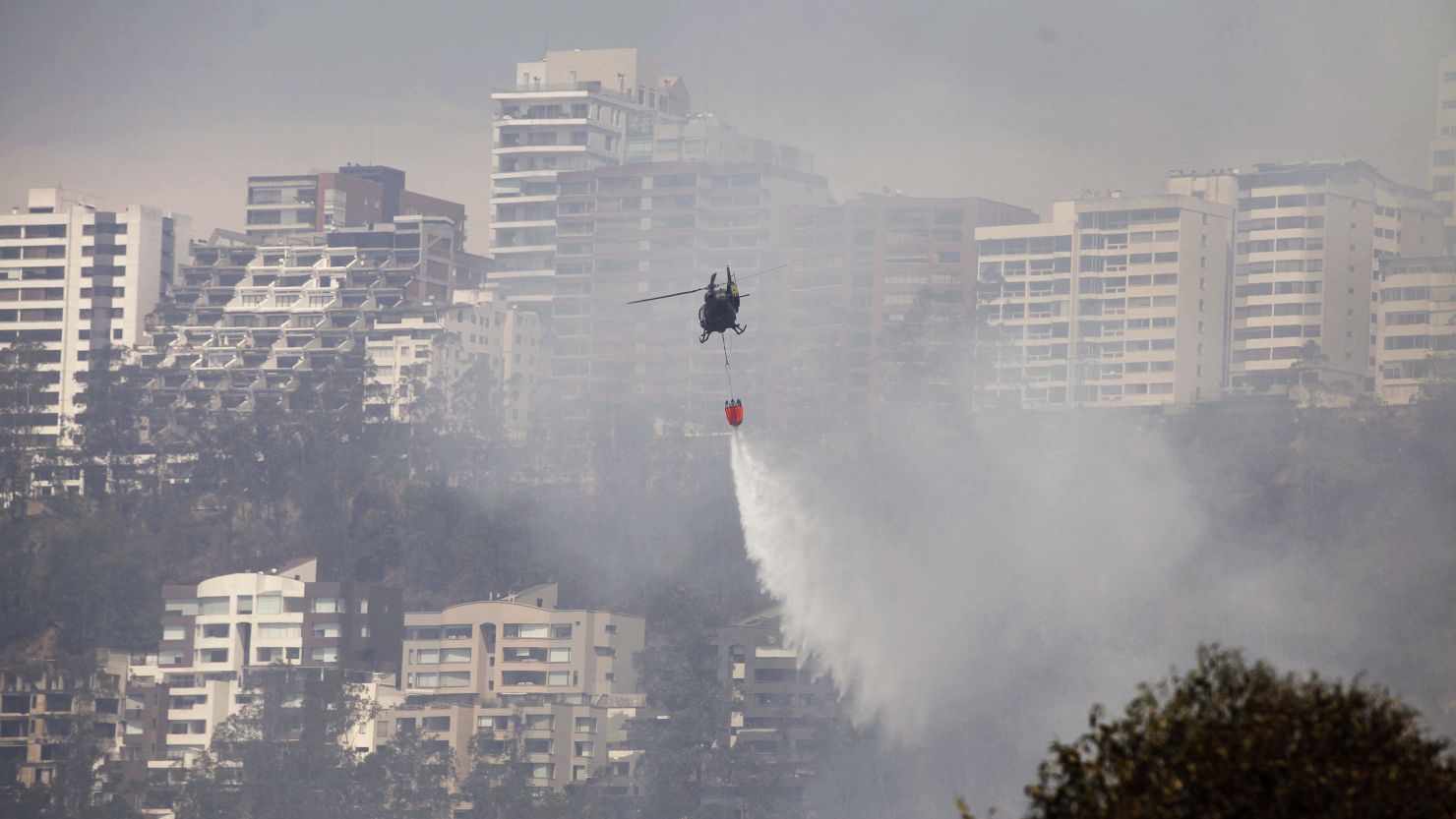
The capital of Ecuador, Quito, is enveloped in a thick haze as a series of raging wildfires sweep across the region, causing widespread concern among residents and local authorities. The fires, fueled by dry conditions and high winds, have not only disrupted daily life but also posed significant health risks to the population, leading to urgent calls for action and support from government agencies.
The Extent of the Wildfire Crisis
Reports indicate that the wildfires, which began in the outskirts of Quito, have rapidly spread, affecting various districts within the city. The flames have consumed large areas of vegetation, creating plumes of smoke that have settled over urban neighborhoods, significantly reducing air quality. Residents have reported difficulty breathing, irritation of the eyes, and other respiratory issues as a result of the smoky conditions.
Local emergency services are working tirelessly to contain the fires, deploying firefighters and resources to combat the flames. However, the rugged terrain and challenging weather conditions have hindered their efforts, making it difficult to establish control over the situation. The Ecuadorian government has declared a state of emergency in the affected areas, mobilizing additional resources to address the crisis.
Health Risks and Public Safety
Health officials have issued warnings regarding the potential health impacts of the smoke, urging residents, especially those with pre-existing respiratory conditions, to stay indoors and use masks when venturing outside. Schools and public institutions have implemented measures to protect students and staff, including temporary closures and remote learning options.
The thick smoke blanketing the capital has prompted authorities to monitor air quality closely. Preliminary reports indicate that particulate matter levels have soared, raising alarms about the long-term health implications for residents. The public has been advised to limit outdoor activities and take precautions to mitigate exposure to harmful pollutants.
Government Response and Community Support
In response to the escalating wildfire crisis, the Ecuadorian government has mobilized emergency response teams and allocated funds to support firefighting efforts. President Daniel Noboa expressed his commitment to addressing the situation, stating, “We are doing everything in our power to combat these fires and protect the health and safety of our citizens. Our priority is to contain the flames and provide assistance to those affected.”
Community organizations and volunteers have also stepped up to support firefighting efforts, providing food, water, and supplies to emergency responders. Local residents have come together to assist in evacuations and help those in need, demonstrating solidarity in the face of adversity.
The Broader Context of Wildfires
The wildfires in Ecuador are part of a broader trend seen across the globe, where climate change and environmental factors have exacerbated the frequency and intensity of such disasters. The dry season in Ecuador, coupled with increasing temperatures, has created a volatile environment conducive to wildfires.
Experts emphasize the need for long-term strategies to address the root causes of wildfires, including improved land management practices, reforestation efforts, and community awareness programs. As the impacts of climate change continue to unfold, proactive measures will be crucial in mitigating the risks associated with wildfires.
Conclusion
The raging wildfires that have enveloped Quito in smoke serve as a stark reminder of the challenges posed by environmental disasters and climate change. As local authorities work tirelessly to contain the fires and protect public health, the resilience of the Ecuadorian community shines through. The collective efforts of government, emergency responders, and citizens will be vital in navigating this crisis, as the city seeks to emerge from the smoke and rebuild in the wake of adversity.