

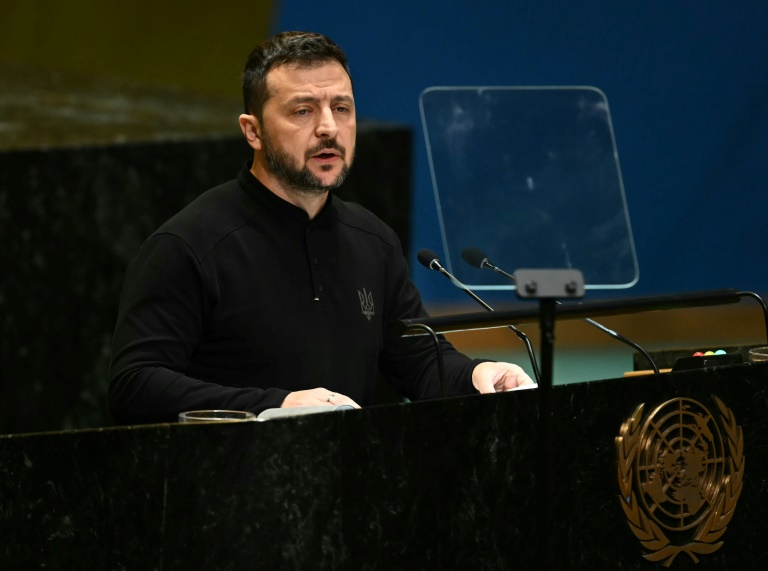
In a chilling warning, Ukrainian President Volodymyr Zelensky has raised alarms about potential attacks by Russia on nuclear power plants within Ukraine. This announcement comes amid escalating tensions and ongoing military conflict, which have raised serious concerns about nuclear safety and security in the region. Zelensky’s remarks highlight the urgent need for international attention and action to protect critical infrastructure during wartime.
Escalating Tensions in Ukraine
The conflict between Ukraine and Russia, which began with Russia’s annexation of Crimea in 2014 and intensified with the full-scale invasion in February 2022, has seen significant military operations that threaten civilian safety and infrastructure. In recent months, reports of increased military activity near Ukrainian nuclear facilities have sparked fears of catastrophic consequences should these plants come under attack.
During a recent address to the nation, Zelensky stated, “We have received intelligence indicating that the Russian military is planning to carry out attacks on our nuclear power plants. This is a grave threat not just to Ukraine, but to the entire region and the world.” He emphasized the potential for disastrous outcomes, including radiation leaks and widespread environmental devastation, should any nuclear facility be compromised.
The Threat of Nuclear Catastrophe
Ukraine is home to several nuclear power plants, including the notorious Zaporizhzhia Nuclear Power Plant, which has been a focal point of conflict since the Russian invasion. The facility, the largest in Europe, has been occupied by Russian forces and has experienced shelling that has raised alarms about its operational safety.
Experts warn that any military action targeting nuclear plants could result in a catastrophe comparable to the Chernobyl disaster in 1986. The potential for radiation release poses an existential threat not only to Ukraine but also to neighboring countries and the global community. The International Atomic Energy Agency (IAEA) has repeatedly called for the establishment of a safety zone around the Zaporizhzhia plant to prevent military engagements that could jeopardize its integrity.
International Concerns and Responses
Zelensky’s warning has prompted international concern, with leaders from various countries calling for immediate actions to safeguard Ukrainian nuclear facilities. The United Nations and IAEA have been urged to enhance monitoring and security protocols at nuclear sites to prevent any potential disaster.
In response to the escalating threat, the Ukrainian government has been working to reinforce security measures at its nuclear facilities. However, the ongoing military conflict complicates efforts to ensure their safety, with the presence of Russian troops nearby creating a precarious situation.
Zelensky has called on the global community to take a stand against Russia’s military aggression and to provide support to Ukraine in securing its critical infrastructure. “We must act together to prevent a catastrophe that could have devastating consequences for all of humanity,” he asserted.
The Importance of Vigilance
As the situation evolves, vigilance is paramount. The possibility of targeted attacks on nuclear power plants underscores the broader implications of the Ukraine-Russia conflict and its potential to affect global security. Governments and international organizations must work collaboratively to mitigate risks associated with nuclear safety during armed conflicts.
Zelensky’s warning serves as a crucial reminder of the intersection between military actions and nuclear safety. As the conflict continues to unfold, the world watches closely, understanding that any miscalculation or deliberate aggression towards nuclear facilities could lead to an irreversible disaster.
Conclusion
The warning issued by President Zelensky about potential Russian attacks on Ukrainian nuclear power plants highlights a critical juncture in the ongoing conflict. The threat of nuclear catastrophe is a stark reminder of the high stakes involved and the need for collective action to protect civilians and critical infrastructure. As tensions rise, the international community must remain alert and engaged to ensure that the horrors of war do not culminate in a nuclear disaster that could impact generations to come.