

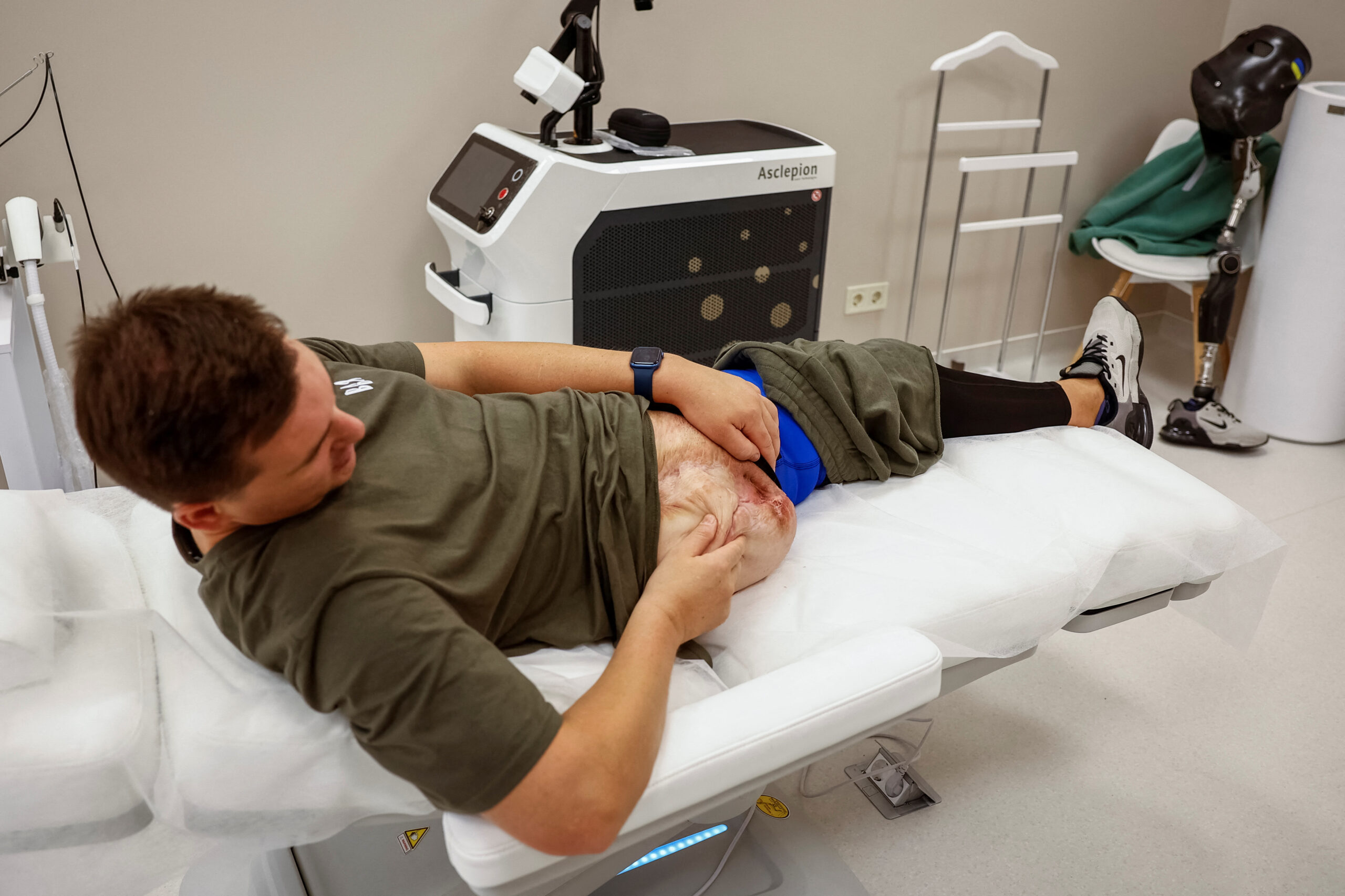
In the wake of the ongoing conflict in Ukraine, many individuals have been left not only with physical wounds but also emotional scars that impact their quality of life. In a compassionate effort to support those affected by the war, various clinics and organizations are offering free aesthetic treatments to Ukrainians seeking to restore their confidence and well-being.
The Impact of War on Mental Health and Self-Image
The war in Ukraine has resulted in significant trauma for countless civilians. The emotional toll of living through conflict, combined with physical injuries and disfigurements, has led to a growing need for psychological support and therapeutic interventions. For many, physical appearance is closely tied to self-esteem and identity, and war-related injuries can profoundly affect individuals’ perceptions of themselves.
Aesthetic treatments, including reconstructive surgery, skin care, and cosmetic enhancements, offer a pathway to not only physical recovery but also emotional healing. By providing these services for free, medical professionals aim to address the holistic needs of war-affected individuals, helping them regain a sense of normalcy and self-acceptance.
Free Aesthetic Treatments: Programs and Initiatives
Numerous clinics and organizations across Ukraine and neighboring countries have launched initiatives to provide free aesthetic treatments to war survivors. These programs often focus on various forms of treatment, including:
- Reconstructive Surgery: Medical professionals are offering surgical procedures to help repair injuries caused by shrapnel or explosions. These surgeries not only restore functionality but also improve the appearance of affected areas.
- Dermatological Care: Many individuals have suffered skin conditions as a result of stress and trauma. Clinics are providing dermatological treatments to help restore skin health and boost confidence.
- Counseling Services: Alongside physical treatments, many organizations are offering psychological counseling to help individuals process their experiences and cope with the emotional aftermath of war.
Stories of Transformation
The stories of those who have benefited from these free treatments highlight the profound impact such initiatives can have on individuals’ lives. Many report feeling a renewed sense of hope and self-worth after undergoing treatment. For some, the opportunity to address physical scars has been a catalyst for broader healing, allowing them to reintegrate into society and rebuild their lives.
One such individual, Olena, a young woman who suffered severe facial injuries, shared her experience: “After the treatment, I feel more like myself again. It’s not just about how I look; it’s about how I feel inside. This has given me the strength to face the future.”
Community and Volunteer Support
The success of these initiatives relies heavily on the support of the community and volunteers. Medical professionals, including plastic surgeons and dermatologists, have stepped forward to offer their expertise pro bono. Additionally, various non-profit organizations and local businesses have contributed resources, funding, and logistical support to ensure that these services reach those in need.
Looking Ahead: A Hopeful Future
As the war in Ukraine continues, the need for support and healing remains crucial. Initiatives providing free aesthetic treatments reflect a growing awareness of the comprehensive needs of war-affected individuals. By addressing both physical and emotional scars, these programs aim to foster resilience and help individuals reclaim their lives.
Conclusion
The provision of free aesthetic treatments for war-scarred Ukrainians represents a vital step towards healing in a country grappling with the consequences of conflict. These initiatives not only restore physical appearance but also empower individuals to rebuild their identities and futures. As more organizations join the effort to support those affected by war, there is hope that healing and resilience will flourish amid the challenges faced by the Ukrainian people.