

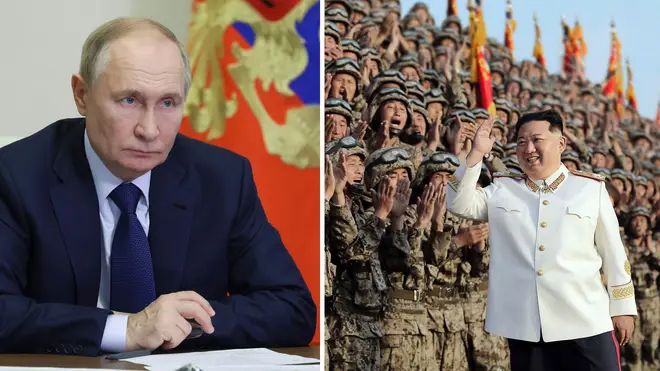
In a surprising development in the ongoing Ukraine war, North Korea has reportedly sent approximately 3,000 troops to Russia. This unprecedented move has raised eyebrows globally and drawn the attention of military analysts and political leaders alike, as it marks a significant escalation in North Korea’s involvement in international conflicts, particularly amid the protracted war between Russia and Ukraine.
Background on the Conflict
The war in Ukraine began in February 2022 when Russia launched a full-scale invasion, leading to widespread condemnation from the international community. The conflict has seen extensive fighting, with both sides suffering heavy casualties and significant destruction. As the war drags on, Russia has increasingly sought support from other nations, including North Korea, which has been isolated internationally due to its nuclear ambitions and human rights violations.
North Korea’s Military Support to Russia
Reports indicate that the North Korean troops are expected to support Russian military operations in Ukraine, where Russia has faced mounting challenges on the battlefield. The deployment of these troops comes amidst a backdrop of growing military cooperation between Moscow and Pyongyang. In recent months, North Korea has been bolstering its military ties with Russia, seeking to capitalize on the situation to strengthen its position internationally.
The 3,000 soldiers are believed to consist of specialized units trained in various combat techniques, including artillery and infantry operations. Analysts suggest that North Korea’s decision to send troops could be an attempt to solidify its alliance with Russia while also showcasing its military capabilities to the world.
Motivations Behind the Move
Several factors may have motivated North Korea to send troops to Russia. Firstly, this move could signify a deepening military collaboration between the two countries, which share a common interest in countering U.S. influence in the region. By aligning with Russia, North Korea may be seeking to strengthen its bargaining position in future negotiations with the United States and South Korea.
Additionally, the deployment might provide North Korea with valuable combat experience for its troops. Engaging in active warfare alongside Russian forces could enhance their military skills and operational effectiveness, further bolstering North Korea’s military capabilities.
International Reactions
The deployment has elicited a range of reactions from the international community. Western nations have expressed concern about the implications of North Korean troops on the battlefield. The United States and its allies have condemned the move, warning that it could exacerbate tensions in the region and lead to an escalation of hostilities in Ukraine.
Furthermore, the involvement of North Korean troops raises questions about the effectiveness of sanctions imposed on North Korea for its nuclear weapons program. Observers note that this collaboration indicates a potential shift in the geopolitical landscape, with North Korea seeking to break out of its isolation and reassert itself on the global stage.
Implications for the Ukraine War
The arrival of North Korean troops in Russia could have significant implications for the ongoing conflict in Ukraine. Military analysts suggest that the additional manpower may bolster Russian forces, which have faced significant challenges in maintaining operational effectiveness. This could alter the dynamics of the conflict, potentially leading to intensified fighting in certain regions.
However, there are also concerns about the long-term consequences of this military collaboration. Should North Korean troops engage in combat, it could draw condemnation from various quarters and further complicate the geopolitical situation in Eastern Europe.
Conclusion
North Korea’s decision to send 3,000 troops to Russia in support of its military operations in Ukraine marks a notable development in the ongoing conflict. This move reflects the evolving alliances and military collaborations in a rapidly changing geopolitical landscape. As the war continues, the implications of this deployment will be closely monitored by military analysts and international leaders, who are wary of the potential for further escalation and instability in the region.