

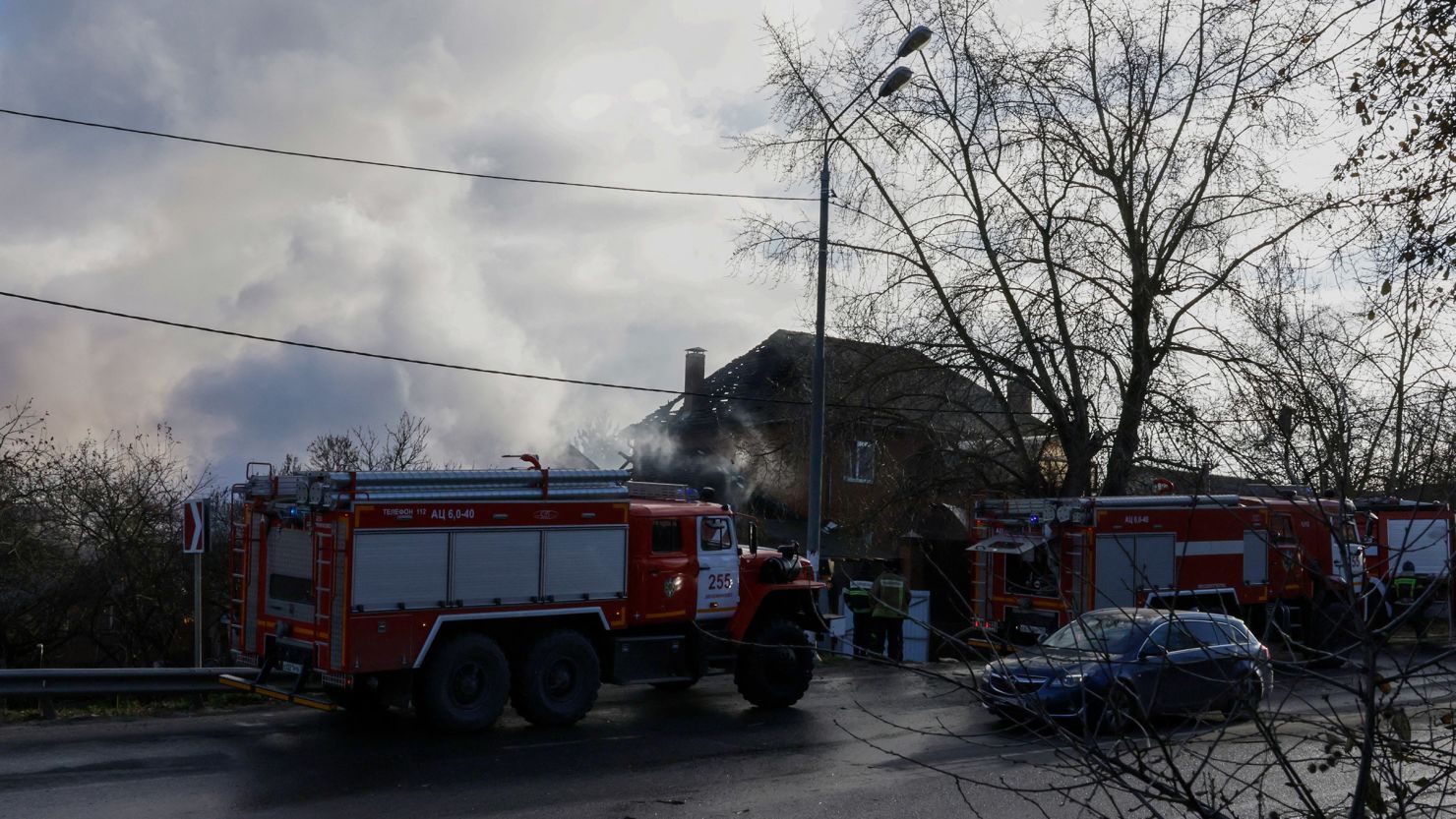
In a dramatic escalation of the ongoing conflict between Ukraine and Russia, Ukrainian forces launched a major attack on Moscow using 34 drones, marking one of the most significant and audacious strikes on the Russian capital since the war began. The attack, which took place overnight, targeted both civilian infrastructure and military sites, signaling a bold shift in Ukraine’s strategy as it continues to push back against Russian forces in its ongoing fight for sovereignty.
A Coordinated Drone Assault
According to Russian authorities, the drone strike began in the early hours of the morning and was spread across multiple locations in Moscow. Ukrainian forces reportedly used a mix of commercial and military-grade drones in what appears to have been a carefully coordinated attack aimed at hitting key targets with precision.
The Russian Ministry of Defense confirmed that the majority of the drones were intercepted or destroyed before they could hit their intended targets, but several did manage to penetrate Russia’s air defense systems, causing significant damage. Russian authorities reported multiple explosions in residential areas and military installations, leading to fires and structural damage. There were also reports of injuries, although the full extent of the casualties remains unclear.
The Ukrainian government has not formally claimed responsibility for the strike, a typical response to such operations. However, Ukrainian officials have previously hinted that they would ramp up their efforts to strike Russian territory in retaliation for Moscow’s attacks on Ukrainian cities and infrastructure.
The Strategic Significance of the Attack
This latest attack on Moscow is significant for several reasons. For one, it represents a marked shift in Ukraine’s military tactics, as the country has increasingly focused on targeting Russian infrastructure beyond the front lines. Ukrainian President Volodymyr Zelensky has previously indicated that Ukraine would adopt more aggressive measures to defend its sovereignty and weaken Russia’s military capabilities, especially as Western support continues to bolster Ukraine’s defense efforts.
The use of drones, in particular, highlights Ukraine’s growing reliance on unmanned aerial vehicles (UAVs) as a tactical advantage in the war. Drones offer a cost-effective way to strike high-value targets with precision, and they can be launched with little risk to human life. The growing use of drones also suggests that the conflict is becoming more reliant on asymmetric warfare tactics, where smaller forces leverage advanced technology to challenge a much larger military power.
Impact on Moscow and Russia’s Response
The immediate impact on Moscow was a mix of shock and anger, with many residents reporting the suddenness of the explosions and the widespread disruption caused by the strike. The attack also served as a stark reminder of the vulnerability of the Russian capital, which had previously been considered safe from direct attacks during the war.
Russian officials quickly responded, with President Vladimir Putin calling the drone attack a “provocation” and promising retaliation. Russia’s defense ministry vowed to increase security measures around Moscow and other key cities, including reinforcing air defense systems. However, the fact that the attack reached the heart of Moscow demonstrates significant capabilities by Ukrainian forces and raises questions about the effectiveness of Russia’s air defense systems, which have been deployed extensively throughout the conflict.
International Reactions and Growing Tensions
The attack on Moscow is likely to raise tensions internationally. Western powers have generally expressed strong support for Ukraine, providing significant military and financial assistance, and encouraging Ukraine to take the fight to Russian soil. The United States, European Union, and NATO have condemned Russia’s actions in Ukraine and affirmed their backing for Ukraine’s right to defend itself.
However, this new escalation—striking Moscow directly—could provoke stronger military retaliation from Russia. Already, Russia has increased its bombardment of Ukrainian cities and military targets, and this latest incident will likely prompt a further intensification of Russia’s efforts to crush Ukraine’s resistance. The impact on global markets, especially energy prices, could also be significant, as the war continues to disrupt supply chains and create uncertainty.
A Shift Toward Long-Range Warfare
Ukraine’s ability to strike Moscow directly marks a shift in the nature of the conflict. Until now, most of the fighting had been concentrated in eastern and southern Ukraine, with artillery and missile strikes targeting military installations and supply lines. However, the use of drones to strike Russia’s capital suggests that Ukraine is increasingly capable of launching long-range operations deep within Russian territory.
This development could force Russia to rethink its strategy, particularly as it faces mounting logistical and military challenges. The ability of Ukrainian forces to operate deep within Russian borders could provide a significant morale boost to Ukrainian forces and their allies, while simultaneously undermining Russia’s sense of security.
Moreover, the success of the drone strike could inspire other forms of asymmetric warfare, including cyberattacks and more guerrilla-style tactics that target Russia’s vital infrastructure, such as oil pipelines, railways, and energy facilities.
Civilian Impact and Growing Risks
Despite the Ukrainian strategy of targeting military infrastructure, the civilian toll of the attack cannot be ignored. In addition to damage in residential areas, the strike on Moscow raises concerns about the increasing risks to ordinary citizens on both sides of the conflict. While many of the drones were intercepted, the fact that they were able to penetrate the Russian capital underscores the growing complexity of the war.
As Russia retaliates, the civilian population in Ukraine will likely bear the brunt of further attacks. The ongoing conflict has already caused thousands of deaths and displaced millions of people, with no clear end in sight. As military operations expand to include direct assaults on urban centers, the stakes are only rising, both for the countries involved and for global peace and stability.
What Comes Next for Ukraine and Russia?
The drone attack on Moscow is a clear signal that Ukraine is expanding its tactics in the war. It represents a bold move aimed not just at military targets but also at the political and psychological impact on Russian leadership and civilians. By striking Moscow, Ukraine has challenged Russia’s perception of invulnerability, showing that even the heart of the Russian state is not beyond reach.
In the coming weeks, Ukraine is expected to continue its operations to weaken Russia’s military capabilities and cripple its ability to project power. The use of drones will likely become an increasingly important aspect of this strategy, as they offer a relatively low-cost, high-impact way to hit critical targets with precision.
For Russia, this attack on Moscow represents a clear escalation, and its response—whether military or diplomatic—will be crucial in determining the next phase of the war. As tensions mount and the conflict shows no sign of abating, the international community will be watching closely, fearing that this could lead to further escalation or even new forms of warfare being introduced.
Conclusion: A Dangerous Escalation
The attack on Moscow with 34 drones marks a significant escalation in the ongoing war between Ukraine and Russia, showcasing Ukraine’s growing military capabilities and willingness to challenge Russia on its own soil. This strike, which hit one of the most iconic cities in the world, has far-reaching implications, both militarily and politically. With the conflict showing no signs of ending soon, this latest development could signal the beginning of a new chapter in a war that has already altered the geopolitical landscape and has the potential to shape global security for years to come.