

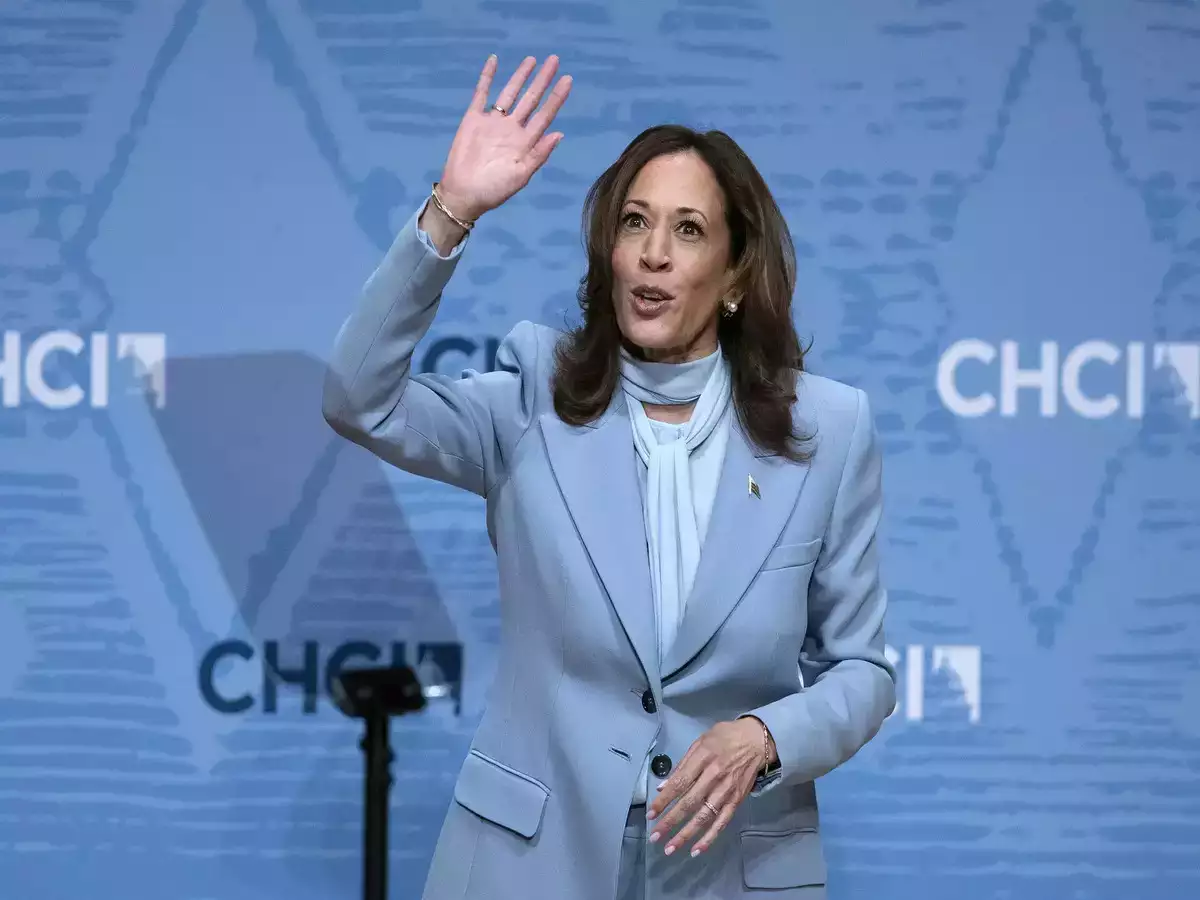
Vice President Kamala Harris’ recent loss in Michigan, during a closely-watched campaign event, has raised alarms about the Democratic Party’s vulnerabilities as the 2024 election season heats up. Despite Harris being a prominent figure in the party, her campaign’s failure to secure key support in Michigan—a state that was pivotal in 2020—is sending a strong signal that Democrats are struggling to solidify their base and reach out to undecided voters.
A Major Setback in a Swing State
Michigan, a battleground state in the heart of the Rust Belt, has long been seen as a bellwether for national elections. In 2016, the state flipped to Donald Trump, an unexpected loss for Democrats, before flipping back in 2020 to help Joe Biden secure the presidency. With the 2024 election approaching, Michigan’s voters remain a crucial demographic for the Democrats, particularly among working-class voters, suburban women, and African American communities.
Harris’ defeat in Michigan points to a broader issue for the Democratic Party: its difficulties in maintaining a strong and unified coalition of voters. While Michigan’s electorate has shifted significantly since 2016, Democratic candidates are still struggling to regain the level of enthusiasm and support that propelled them to victory just four years ago. This was especially evident in Harris’ performance, where her messaging failed to resonate with certain key groups.
The Strain of Division Within the Party
One of the key factors behind Harris’ loss in Michigan is the internal divisions within the Democratic Party. The progressive wing, which has a strong voice among younger voters and those focused on issues like climate change and social justice, has often been at odds with centrist Democrats who prioritize economic issues, national security, and traditional values. Harris, often seen as a centrist voice, has faced criticism from both sides: progressives view her as too moderate, while moderates feel she doesn’t sufficiently address their concerns.
This division is becoming more apparent as Democrats prepare for 2024, where voters are looking for a candidate who can unify the party and appeal to the broader electorate. Harris, who has been criticized for not articulating a clear, consistent vision for the country’s future, has struggled to overcome these tensions, especially in critical states like Michigan.
Voter Enthusiasm and Engagement
Another challenge highlighted by Harris’ Michigan loss is the Democratic Party’s struggle to energize voters. While Biden’s 2020 win was powered by a diverse coalition of young people, suburban women, and communities of color, Democrats have not managed to build on that enthusiasm in the years since. Many of the voters who propelled the party to victory in 2020 have shown signs of disillusionment, particularly around economic issues, healthcare, and crime, which have remained persistent concerns in swing states like Michigan.
Harris’ campaign failed to sufficiently address these concerns, and it is unclear whether the Democrats can convince these groups to turn out again in 2024. The party has also struggled to connect with the working-class voters in Michigan who had once been a core part of its base but have increasingly turned to the Republican Party in recent elections.
The Role of the Economy and Crime in Voter Sentiment
As the economy remains a top concern for many voters, Harris’ Michigan loss underscores how economic discontent could shape the 2024 election. While the Biden administration has presided over a period of economic recovery following the pandemic, inflation and wage stagnation are still persistent issues, especially for blue-collar workers. In Michigan, where manufacturing jobs have been in decline for years, voters may not feel the recovery is benefitting them, leading to a sense of alienation.
Similarly, concerns over crime have emerged as a critical issue for voters, particularly in urban areas. While Harris has spoken extensively about criminal justice reform, she has also faced criticism for not taking a tougher stance on crime in cities, which has become a flashpoint for voters across the country. This has been especially true in Michigan, where crime rates have been a growing issue, particularly in Detroit and other major cities.
What This Means for the 2024 Election
As we move closer to the 2024 election, Harris’ defeat in Michigan serves as a stark reminder of the challenges facing the Democratic Party. The loss suggests that, despite the party’s success in 2020, Democrats face a real struggle to secure key battleground states in 2024. This is especially concerning as Republicans are already energizing their base with a mix of traditional issues such as taxes, immigration, and national security, as well as leveraging dissatisfaction with the current administration.
Harris, often considered a key figure in the Biden administration, now faces intense scrutiny about her future in the party. With the 2024 race already shaping up to be fiercely competitive, her performance in Michigan may force the party to reconsider its strategies, particularly with regard to voter outreach and messaging. For now, Democrats must reassess their approach to rebuilding voter trust, especially in swing states that will ultimately decide the outcome of the election.
Conclusion
The fallout from Harris’ Michigan loss illustrates the depth of the challenges facing the Democratic Party as it prepares for the 2024 election. Internal divisions, voter disengagement, economic dissatisfaction, and concerns over crime are all issues that could further undermine the party’s chances in key battleground states. With less than a year until the election, Democrats must address these vulnerabilities and find ways to unify their base while reaching out to the broader electorate if they hope to maintain control in the White House.