

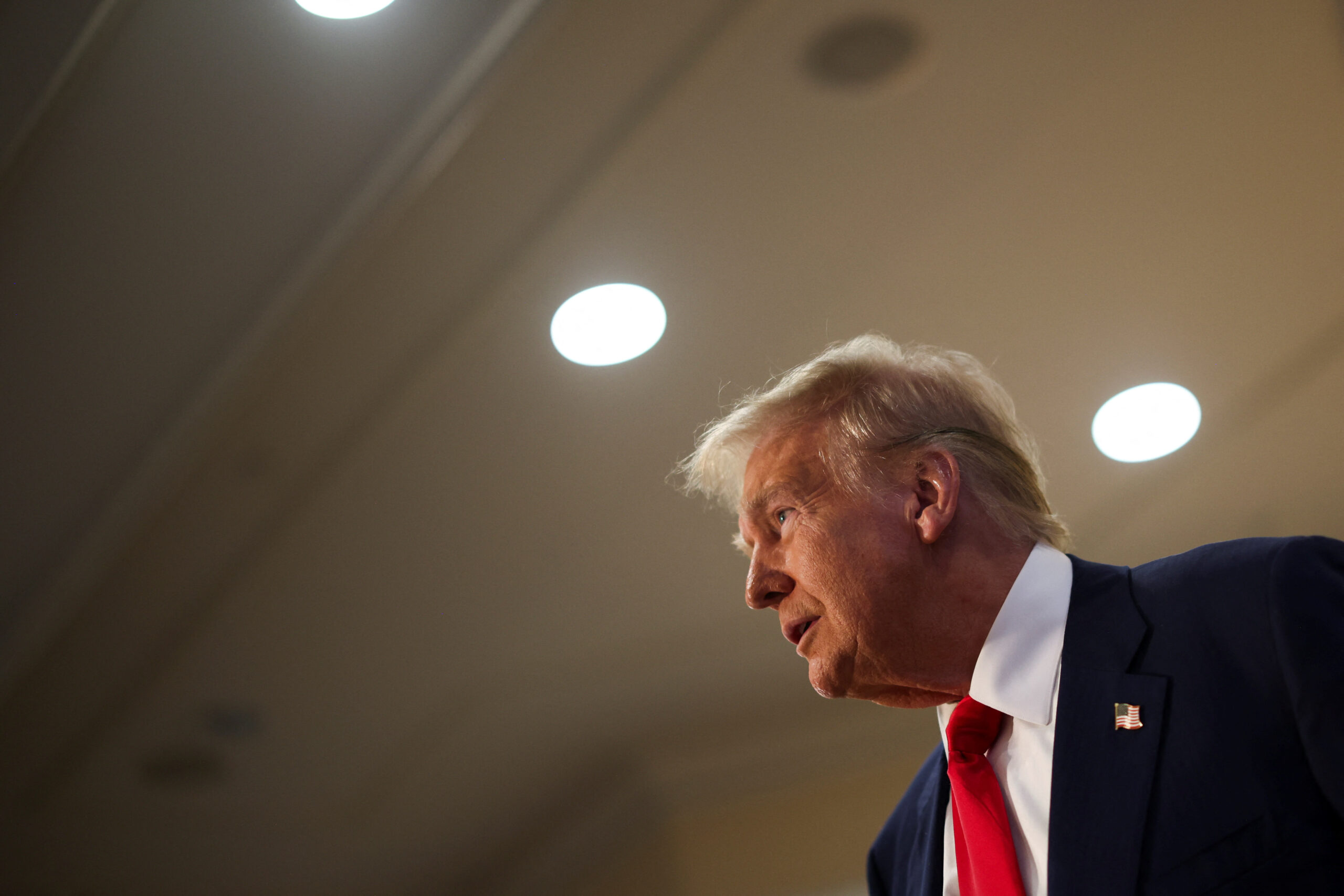
In a striking political development, the campaign for former President Donald Trump has publicly accused the UK’s Labour Party of attempting to interfere in the upcoming U.S. presidential election. This assertion has ignited a firestorm of debate across the political spectrum and raised questions about the implications of foreign influence in American politics.
Context of the Allegations
The accusations stem from comments made by Labour Party leader Keir Starmer, who recently criticized Trump’s policies and behavior during his time in office. Starmer’s remarks, which included calls for a more progressive approach to issues like climate change and social justice, have been interpreted by Trump’s campaign as an attempt to sway American voters ahead of the 2024 election.
In a statement released to the press, the Trump campaign described Starmer’s comments as “an inappropriate and unfounded interference in American democracy.” They argue that foreign political leaders should refrain from commenting on domestic U.S. politics, framing Starmer’s statements as an affront to American sovereignty and a potential influence on the electoral process.
Political Reactions
The accusations have sparked a range of reactions, both in the U.S. and the UK. Supporters of Trump have rallied around the notion that foreign entities, including political parties from allied countries, should not engage in or influence American elections. They see Starmer’s comments as a violation of the norms that govern international political discourse.
Conversely, critics of the Trump campaign have dismissed the allegations as an attempt to deflect attention from domestic issues. Many argue that political leaders worldwide routinely comment on the policies and actions of other nations, particularly concerning human rights and governance. Some Labour Party members have pointed out that they are merely engaging in a dialogue about policies that affect global challenges, such as climate change.
Broader Implications
The accusations against the Labour Party underscore the increasingly interconnected nature of global politics. In an era where social media amplifies the voices of politicians worldwide, the lines between domestic and international political discourse have blurred. This incident raises important questions about the impact of foreign political statements on U.S. elections and the extent to which they may influence public opinion.
Moreover, Trump’s campaign strategy often includes framing the former president as a defender of American interests against perceived external threats. By focusing on accusations of foreign interference, the Trump campaign seeks to rally his base and reinforce their beliefs in protecting U.S. sovereignty.
Conclusion
The Trump campaign’s accusations against the UK’s Labour Party have highlighted the complex interplay between domestic and international politics. As the 2024 U.S. presidential election approaches, the dialogue surrounding foreign influence and election interference will likely become an increasingly prominent issue.
Whether the Labour Party’s statements constitute genuine interference or simply represent a political critique will continue to be debated. Nevertheless, this incident serves as a reminder of the intricate dynamics of global politics and the importance of maintaining clear boundaries in the discourse between nations. As both campaigns gear up for the election, how these allegations are addressed will undoubtedly shape the political landscape in the months to come.