

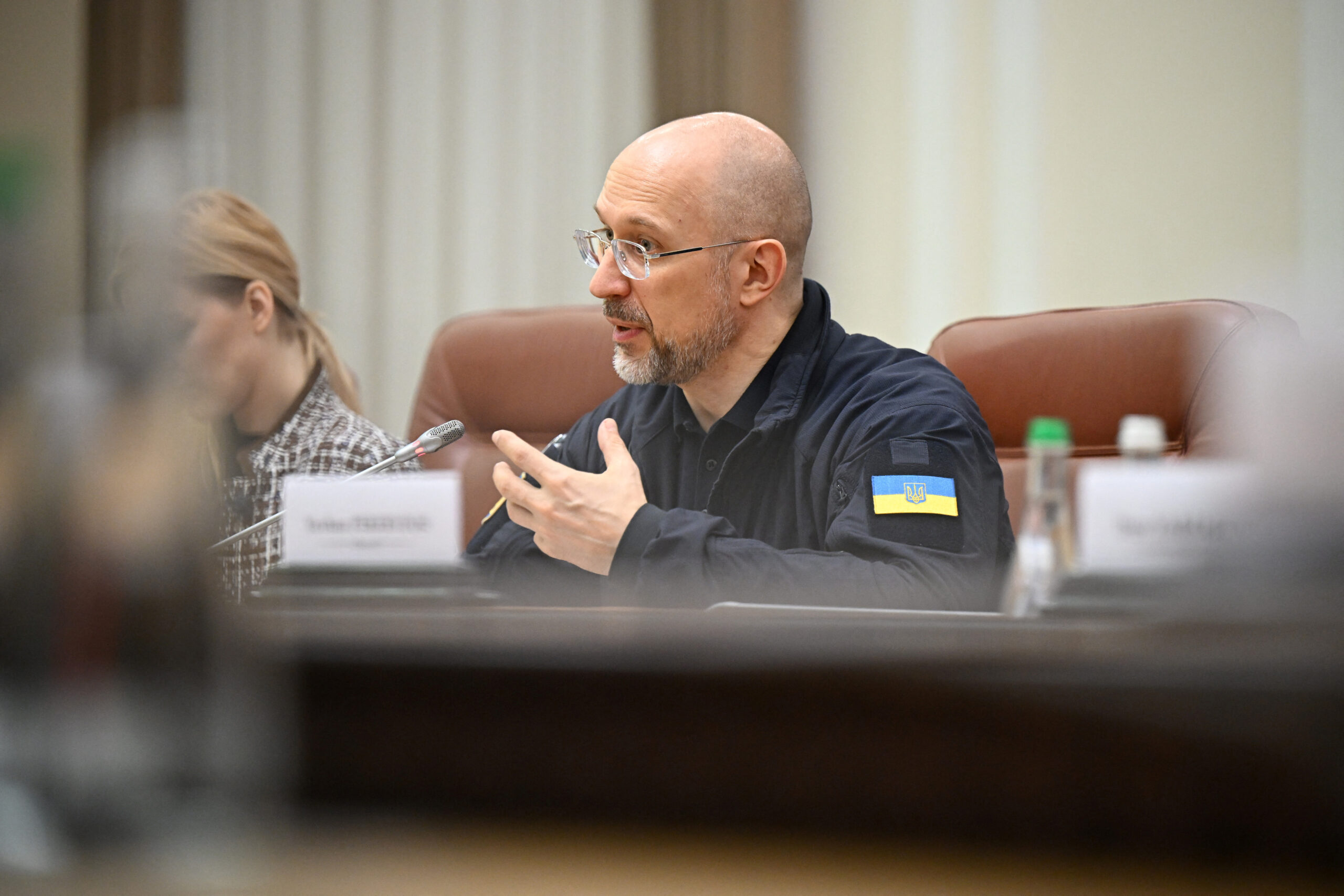
Ukraine’s ongoing war with Russia has left vast swathes of the country littered with landmines and unexploded ordnance, posing a significant danger to civilians and impeding economic recovery. In a crucial effort to address this challenge, Ukrainian officials have called for increased international assistance in clearing landmines during a high-profile meeting in Switzerland. The meeting, which brought together global leaders, non-governmental organizations, and demining experts, underscored the staggering scale of the task and Ukraine’s urgent need for aid.
The Scope of the Landmine Crisis in Ukraine
Since Russia’s full-scale invasion of Ukraine in February 2022, vast areas of the country have been heavily contaminated with landmines, cluster munitions, and other unexploded ordnance. The ongoing conflict has transformed Ukraine into one of the most mine-contaminated countries in the world, with millions of civilians at risk from hidden explosive devices scattered across former battlefields, residential areas, and farmlands.
The Ukrainian government estimates that roughly 174,000 square kilometers (67,000 square miles) of land need to be cleared of mines, an area roughly the size of Florida. These devices not only pose a deadly threat to Ukrainians but also severely hinder reconstruction efforts, the return of displaced people, and the revival of agriculture, which is a cornerstone of the country’s economy.
Clearing these landmines is an enormous and dangerous undertaking, requiring extensive resources, specialized equipment, and trained personnel. With winter approaching, the window of opportunity to conduct demining operations in some areas is narrowing, increasing the urgency of international support.
The Swiss Meeting: A Call for Global Cooperation
The meeting in Switzerland, attended by Ukrainian officials and representatives from various international organizations, aimed to bring global attention to the scope of the landmine problem in Ukraine and secure commitments for demining support. It also served as a platform for Ukraine to share its progress and challenges in dealing with explosive remnants of war.
In his address, Ukrainian Deputy Defense Minister Oleksandr Polishchuk stressed the humanitarian and economic necessity of clearing mines, appealing for more financial aid, advanced demining technologies, and technical expertise. He emphasized that Ukraine cannot tackle this issue alone, and the help of the international community is vital to saving lives and rebuilding the country.
“Landmines are not just remnants of war; they are ongoing agents of death that threaten our civilians every day,” Polishchuk said. “We are calling on the world to stand with us in this monumental task to ensure that our land can be safely cultivated, lived on, and rebuilt.”
International Response and Current Efforts
Several countries and organizations have already pledged support to help Ukraine with demining operations. The United States, the United Kingdom, the European Union, and Canada have been key contributors to Ukraine’s demining efforts, providing funding, equipment, and technical training for local teams.
Non-governmental organizations like the HALO Trust and Handicap International are on the ground, working alongside Ukrainian authorities to clear mines in high-risk areas. However, these groups have warned that the scale of contamination is overwhelming and that current resources are insufficient to deal with the challenge in a timely manner.
At the Swiss meeting, representatives from these organizations urged nations to increase their commitments and highlighted the importance of sharing demining expertise, particularly in training Ukrainian personnel to safely clear and dispose of mines.
“The scale of landmine contamination in Ukraine is unprecedented in Europe since World War II,” said a spokesperson for the HALO Trust. “While we have teams working tirelessly, the international community must ramp up its efforts if we are to prevent more casualties and enable the safe return of displaced communities.”
Humanitarian and Economic Consequences
The presence of landmines and unexploded ordnance has far-reaching consequences beyond the immediate threat to human life. Large areas of farmland, particularly in eastern and southern Ukraine, are unusable due to mine contamination, threatening food security both in Ukraine and globally. As one of the world’s leading grain producers, Ukraine plays a critical role in the global food supply chain, and the inability to cultivate vast portions of its farmland has ripple effects on food prices and availability.
Additionally, infrastructure development and reconstruction projects are being delayed due to the dangers posed by unexploded ordnance. Schools, hospitals, and homes in formerly occupied areas cannot be safely rebuilt until these areas are declared free of explosive devices, further slowing the recovery process.
Landmines have also contributed to a rising toll of civilian casualties. According to the United Nations, landmines and explosive remnants of war have already killed or injured thousands of Ukrainians, many of them children. Clearing mines is not only a humanitarian priority but also a matter of restoring normalcy and hope to communities ravaged by war.
Technological Solutions and the Way Forward
One of the key focuses of the Swiss meeting was the role of technology in accelerating the demining process. Advances in drone technology, artificial intelligence, and robotics offer promising solutions to detect and neutralize mines more efficiently. Ukrainian officials are particularly interested in partnering with tech companies and research institutions to deploy these innovations in high-risk areas.
Experts at the meeting discussed the potential for expanding the use of autonomous mine-detecting robots and drone-mounted sensors, which can safely scan vast areas more quickly than traditional human-led operations. While these technologies are still being developed and refined, they represent a potential game-changer in the fight to clear Ukraine’s land of deadly explosives.
Conclusion: A Global Responsibility
As Ukraine continues to grapple with the effects of war, landmine clearance has become an urgent and complex task that requires global attention. The Swiss meeting highlighted the need for greater international cooperation, both in terms of funding and technological innovation, to address the staggering scale of contamination.
Ukraine’s plea for help serves as a reminder that the aftermath of war can last long after the fighting stops, with landmines continuing to kill and maim for years to come. Clearing Ukraine’s land of mines is not just a national priority; it is a global responsibility that will require sustained effort and solidarity from the international community.