

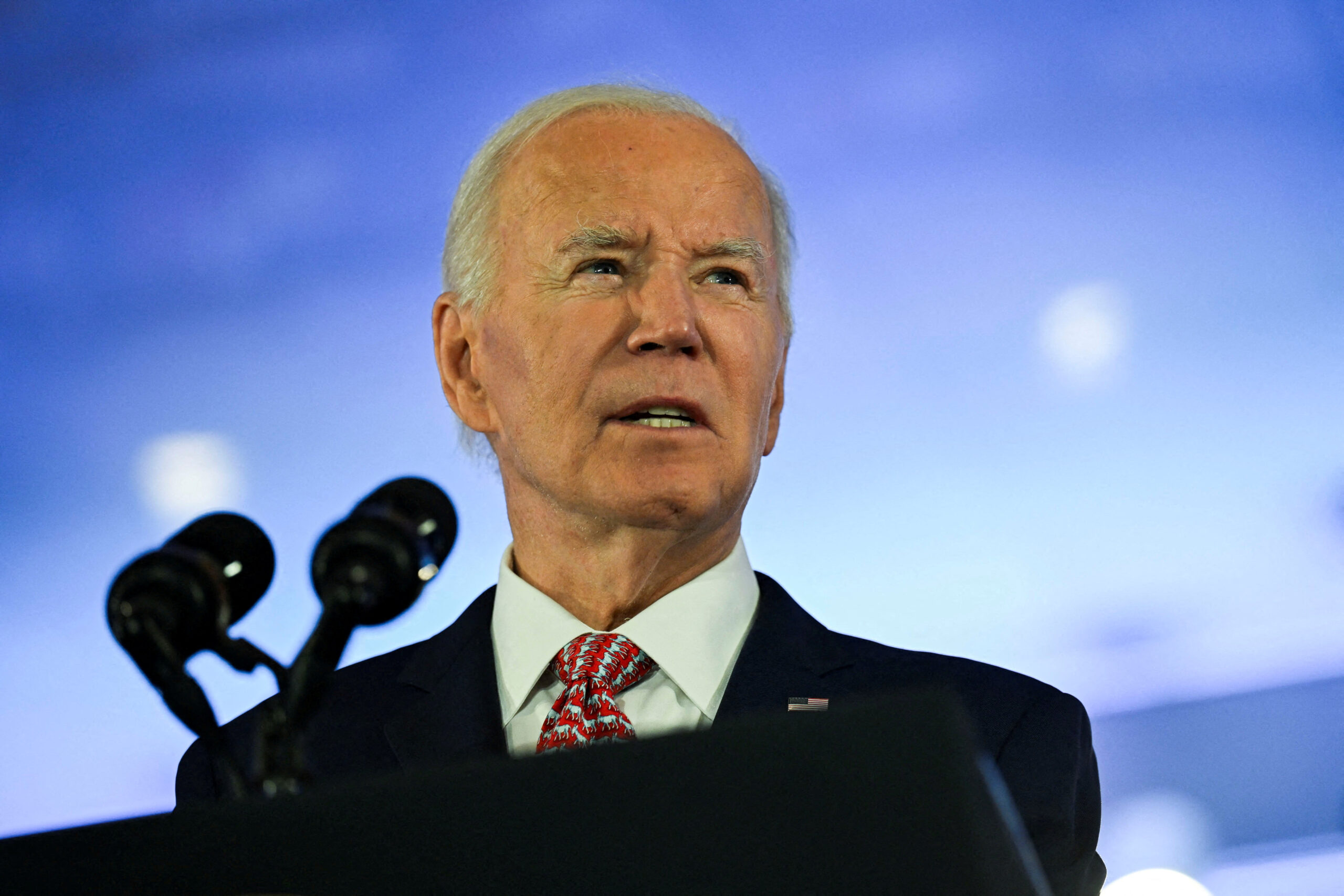
U.S. President Joe Biden is heading to Germany for critical discussions centered on the ongoing war in Ukraine, as global tensions rise and international efforts to resolve the conflict intensify. The talks are part of Biden’s broader diplomatic push to solidify Western support for Ukraine and to further isolate Russia on the world stage, as the conflict nears the two-year mark with no clear end in sight.
The visit comes at a pivotal moment in the war, with Ukraine’s counteroffensive making strides against Russian forces, but with Europe bracing for the economic and security challenges that a prolonged conflict could bring. Germany, a key player in the European Union and NATO, has been one of Ukraine’s most significant backers, and Biden’s trip will aim to strengthen the united front against Russian aggression.
Reaffirming Support for Ukraine
Biden’s meetings in Germany are expected to focus on continued military, economic, and humanitarian aid to Ukraine, which has been heavily reliant on Western support to defend itself against Russia’s invasion. Both the U.S. and Germany have provided Ukraine with billions of dollars in aid, including advanced weaponry, tanks, and intelligence support. The two nations have also worked closely to enforce sanctions on Russia, crippling its economy in an effort to pressure Moscow into ending the war.
President Biden’s agenda will likely include discussions on new military packages for Ukraine, with Kyiv requesting more long-range missile systems and air defense capabilities to protect its cities and infrastructure from ongoing Russian missile strikes. The U.S. has already supplied Ukraine with advanced HIMARS rocket systems, Patriot missile batteries, and Abrams tanks, while Germany has provided Leopard tanks and cutting-edge air defense systems.
In a statement before his departure, Biden emphasized the importance of maintaining unity in the international response to the conflict. “The free world must continue to stand with Ukraine. We cannot afford to waver in our support as they defend their sovereignty and fight for their freedom against Russian aggression,” Biden said.
Germany’s Role in the Conflict
Germany, under Chancellor Olaf Scholz, has emerged as a crucial partner for Ukraine, although its role has evolved over time. Initially criticized for its cautious approach, Germany has since become one of the largest contributors of military aid to Ukraine in Europe, providing Leopard 2 tanks, air defense systems, and financial assistance to help bolster Ukraine’s economy. Scholz has been a vocal proponent of NATO unity and has called for further isolation of Russia in diplomatic and economic arenas.
However, the war has also brought significant challenges for Germany. As Europe’s largest economy, Germany has been heavily impacted by the war’s economic fallout, especially as it seeks to reduce its dependency on Russian energy. The country has been forced to navigate rising energy costs and inflation, while also increasing its defense spending to meet NATO requirements.
Biden’s visit is expected to underscore the importance of Germany’s leadership within the EU and NATO, especially as it plays a key role in setting the agenda for continued European support for Ukraine. The talks will likely touch on the economic repercussions of the conflict and the need for sustained European unity as the war drags on.
NATO and European Security
In addition to bilateral talks with Scholz, Biden will also meet with NATO officials and European leaders to discuss broader security concerns related to the conflict. As NATO has played a central role in supporting Ukraine, the alliance continues to prepare for any potential escalation of the war, including the possibility of direct confrontations between Russia and NATO members.
One of the key topics on the agenda will be NATO’s Eastern European members, many of whom share borders with Ukraine and Russia. These countries have been at the forefront of supporting Ukraine, providing refuge to millions of displaced Ukrainians and serving as logistical hubs for Western military aid.
Biden is expected to reaffirm the U.S.’s commitment to NATO’s Article 5, which guarantees collective defense for any member of the alliance that is attacked. With Russia increasingly resorting to long-range missile strikes and cyberattacks, the security of NATO’s Eastern European flank remains a top priority for the alliance.
Ukraine’s Counteroffensive and Future Prospects
The timing of Biden’s trip coincides with Ukraine’s ongoing counteroffensive in the eastern and southern parts of the country. Ukrainian forces have made significant gains in recapturing territory from Russian occupation, but the fighting remains intense, and Ukrainian officials have stressed the need for continued Western support to sustain their momentum on the battlefield.
As the war enters a more grinding and protracted phase, Biden’s meetings will also explore long-term strategies for supporting Ukraine, particularly as winter approaches. The colder months are expected to bring new challenges to both sides, with the possibility of increased Russian missile attacks on Ukrainian energy infrastructure.
Ukrainian President Volodymyr Zelensky has repeatedly called on Western allies to remain committed to providing both military and economic assistance, warning that any lapse in support could allow Russia to regroup and prolong the conflict.
Diplomatic and Economic Considerations
Beyond the military aspects, Biden and Scholz are also expected to discuss diplomatic efforts to bring an end to the conflict. While the U.S. and its allies have remained firmly committed to supporting Ukraine, there have been growing calls, particularly from some European countries, to explore diplomatic solutions to the war.
However, with Russia showing no signs of backing down, and Ukraine unwilling to cede any territory to Moscow, prospects for a negotiated settlement remain slim. Biden has previously stated that any peace agreement must respect Ukraine’s sovereignty and territorial integrity, a position that has been echoed by Germany and other Western allies.
Economically, Biden and Scholz will also address the impact of the war on global markets, particularly with regard to energy prices, inflation, and food security. The war has disrupted global supply chains, and sanctions on Russia have led to rising energy costs across Europe. Both leaders are likely to discuss ways to mitigate these effects, while also ensuring that sanctions remain effective in pressuring Russia.
Conclusion
As Biden heads to Germany for these high-stakes talks, the outcome will be crucial in determining the future of the conflict in Ukraine. With the war showing no signs of ending soon, the continued unity and resolve of Western allies, particularly the U.S. and Germany, will be vital in shaping the course of events in the months to come. Biden’s visit underscores the importance of keeping the international coalition against Russia intact, while also preparing for the economic and security challenges that lie ahead.