

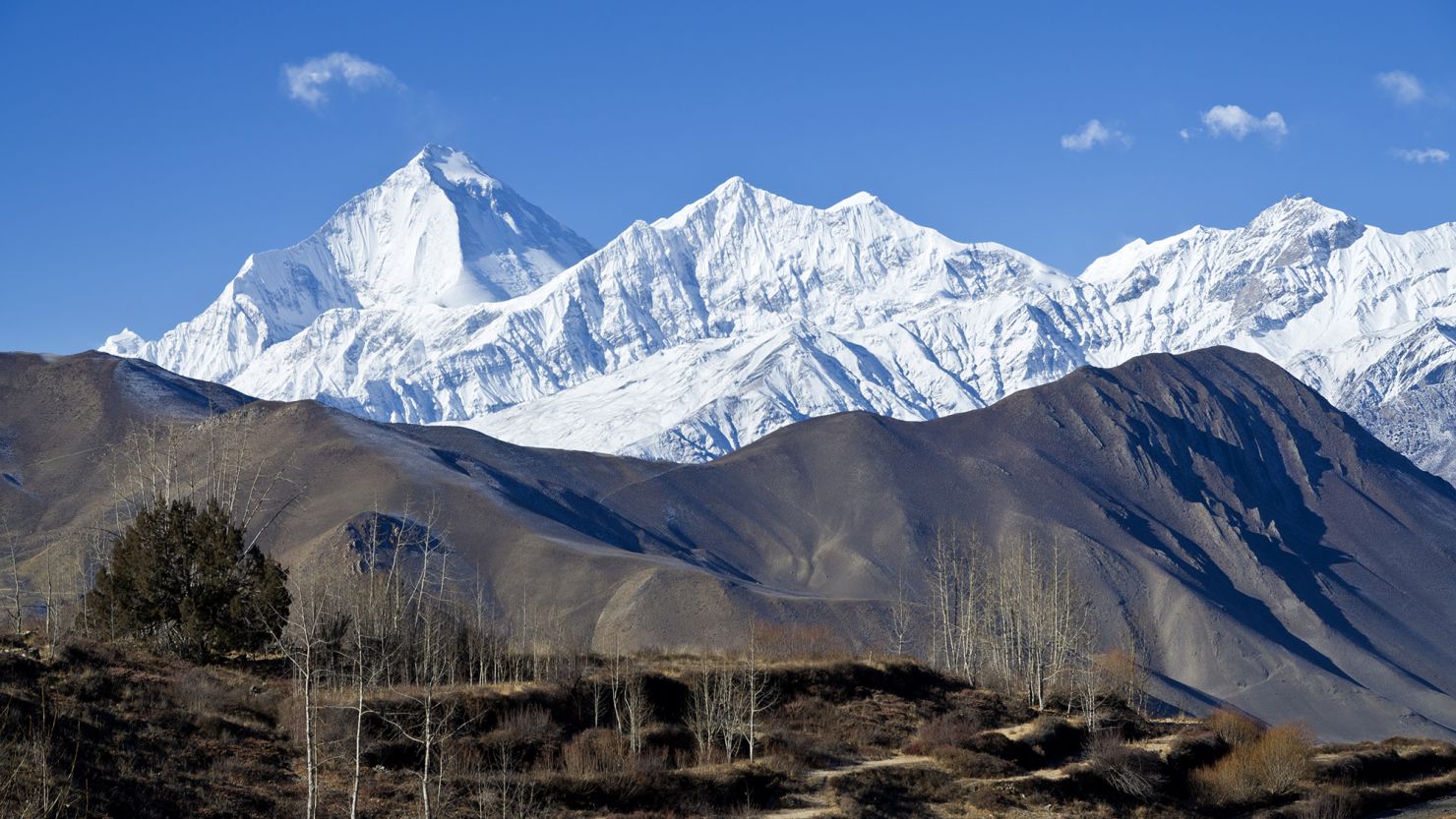
In a heartbreaking incident that underscores the perils of high-altitude mountaineering, five Russian climbers tragically lost their lives while attempting to summit Dhaulagiri, the world’s seventh-highest mountain, located in Nepal. The climbers were part of a larger expedition aiming to conquer the peak when they encountered severe weather conditions, leading to their untimely deaths.
The Incident
The group of climbers, reported to be experienced mountaineers, faced a series of challenges during their ascent, including rapidly changing weather and difficult terrain. On October 5, 2023, as they were navigating one of the mountain’s notoriously treacherous sections, the climbers were caught in a severe storm, resulting in poor visibility and dangerous conditions.
Rescue efforts were hampered by the extreme altitude and the onset of harsh weather, making it impossible to reach the climbers in time. Initial reports indicated that the team was in distress, and despite the efforts of local guides and rescue teams, the adverse conditions proved too severe for a successful operation.
Response from Authorities
Nepal’s tourism and mountaineering authorities expressed their condolences and concern over the incident. The Nepalese Ministry of Culture, Tourism, and Civil Aviation issued a statement highlighting the challenges faced by climbers in the region, particularly during the pre-monsoon and post-monsoon seasons when weather conditions can be unpredictable.
Local officials have emphasized the importance of adhering to safety protocols and closely monitoring weather forecasts before embarking on high-altitude climbs. The tragic loss of these climbers serves as a stark reminder of the inherent risks associated with mountaineering, particularly in the Himalayas, where thousands of climbers from around the world attempt to summit some of the highest peaks.
The Legacy of Dhaulagiri
Dhaulagiri, standing at 8,167 meters (26,795 feet), is known for its formidable challenges, with steep faces and unpredictable weather patterns. Since its first ascent in 1960, it has garnered a reputation as one of the more difficult mountains to climb. The mountain’s remoteness and the technical skills required for a successful summit attract climbers, but the dangers are ever-present.
The region has seen its share of tragic incidents over the years, prompting discussions about climber safety and the need for rigorous preparation and training. In recent years, the number of climbers attempting to scale Dhaulagiri has increased, raising concerns about overcrowding and the risks that come with it.
A Call for Safety and Preparedness
The deaths of the five climbers have reignited discussions about mountaineering safety and the responsibilities of climbers, guides, and expedition organizers. Experts advocate for greater awareness of the risks involved in high-altitude climbing, emphasizing the need mahjong 333 for proper acclimatization, training, and contingency planning.
Families of climbers are often left grappling with the emotional toll of such tragedies. Many climbers undertake these expeditions driven by passion and adventure, but the harsh realities of high-altitude climbing can lead to devastating consequences.
Conclusion
The tragic deaths of five Russian climbers on Dhaulagiri serve as a somber reminder of the risks associated with high-altitude mountaineering. As the mountaineering community mourns this loss, there is a renewed call for safety measures and greater awareness of the challenges faced by climbers in the Himalayas.
Nepal’s stunning mountains continue to attract adventurers from around the globe, but it is imperative that climbers prioritize safety and preparation to honor the spirit of those who have lost their lives in pursuit of their dreams. The memories of these climbers will remain a poignant part of the ongoing narrative of Dhaulagiri, a mountain that, while breathtaking, demands the utmost respect and caution from all who seek to conquer it.