

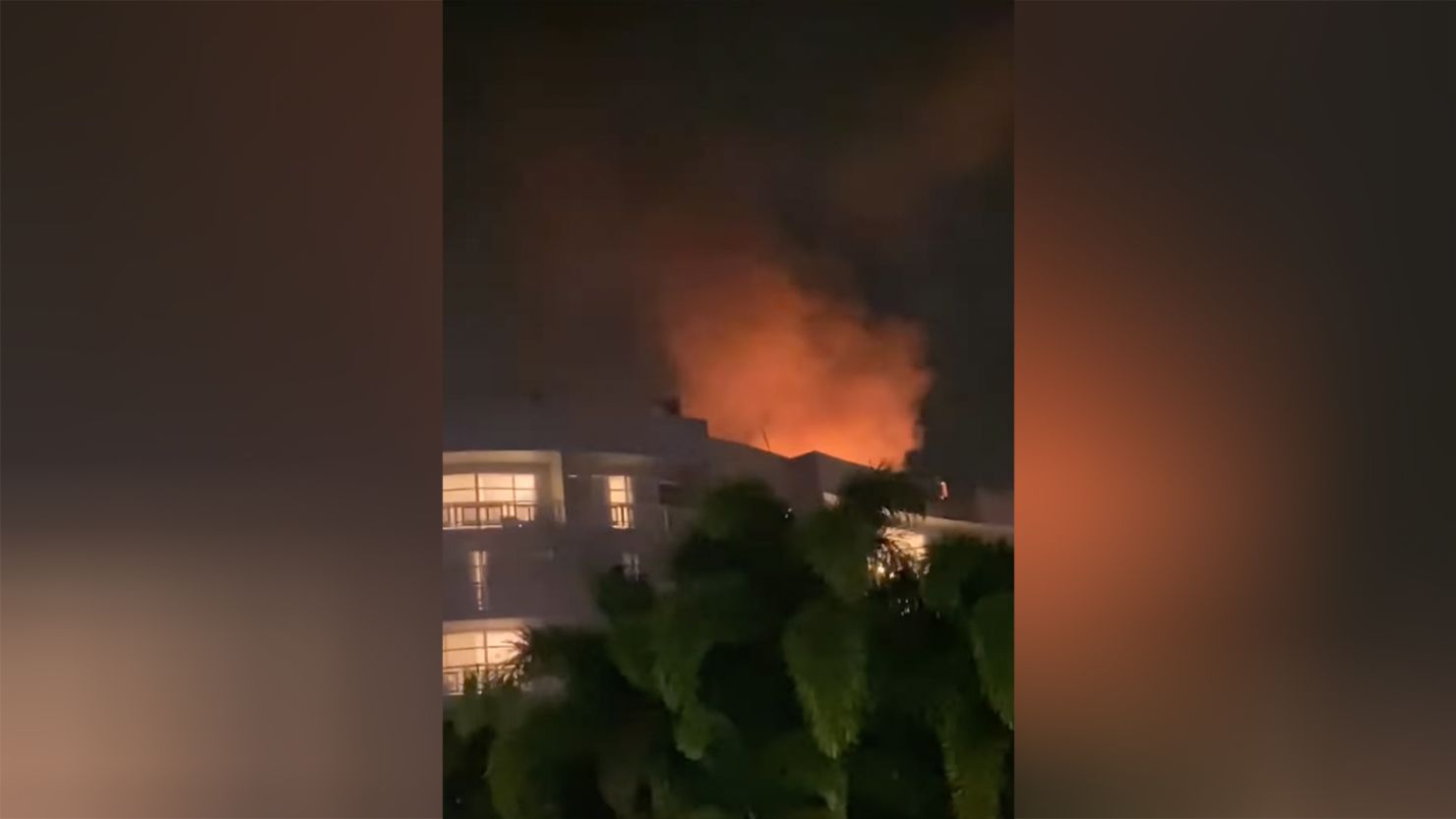
A recent investigation into the helicopter crash that occurred last month when a pilot crashed into a hotel in downtown Nashville has revealed troubling details regarding the pilot’s state at the time of the accident. According to an official report released by the National Transportation Safety Board (NTSB), the pilot, whose identity has not been disclosed, had consumed a “significant amount of alcohol” prior to the incident, raising serious concerns about the implications of substance use in aviation safety.
The Incident
The crash happened on September 10, 2023, when the helicopter struck the side of a high-rise hotel in the heart of Nashville, narrowly avoiding a catastrophic loss of life. Fortunately, there were no fatalities reported among the hotel guests or staff, and the pilot survived the crash, suffering only minor injuries.
Witnesses reported seeing the helicopter flying erratically before it collided with the building, which raised immediate suspicions about the pilot’s ability to operate the aircraft safely. The incident prompted an urgent investigation, focusing on potential factors that contributed to the crash.
Findings of the Report
The NTSB report indicates that the pilot’s blood alcohol concentration (BAC) exceeded the legal limit for flying, which is 0.04% in the United States. This finding suggests that the pilot was operating the helicopter under the influence of alcohol, a violation of both federal regulations and aviation safety standards.
In addition to alcohol consumption, the report noted other factors that could have contributed to the crash, including potential mechanical issues with the helicopter and adverse weather conditions at the time of the flight. However, the focus on the pilot’s intoxication has raised significant alarm among aviation safety experts and regulatory authorities.
Implications for Aviation Safety
The findings of the report have reignited discussions about the importance of enforcing strict regulations concerning substance use among pilots. Alcohol impairment is a well-documented risk factor in aviation accidents, and this incident serves as a stark reminder of the potential consequences of neglecting such regulations.
Experts emphasize the need for comprehensive training and awareness programs for pilots regarding the dangers of flying under the influence, as well as the necessity of random alcohol testing for pilots in commercial aviation. The aviation industry rtp mahjong333 has implemented various measures to enhance safety protocols, but incidents like this highlight the ongoing challenges in ensuring compliance and safeguarding public safety.
Reactions and Consequences
Following the release of the report, aviation safety advocates have called for stricter penalties for pilots found to be operating under the influence. There is also a push for improved reporting systems that would allow for more transparency in cases involving pilot misconduct.
The helicopter company involved in the crash is expected to face scrutiny regarding its hiring and training practices, particularly concerning how it monitors the fitness of its pilots to operate aircraft safely. The incident has raised questions about the culture within some aviation companies and whether there is adequate support for pilots struggling with substance use issues.
Conclusion
The helicopter crash into a Nashville hotel, compounded by the pilot’s significant alcohol consumption, serves as a critical wake-up call for the aviation industry. As investigations continue, the focus will remain on enhancing safety measures and ensuring that pilots adhere to strict guidelines to prevent similar incidents in the future.
This incident underscores the need for vigilance in monitoring the health and fitness of those entrusted with operating aircraft, as even a single lapse in judgment can lead to potentially devastating consequences. With the safety of passengers and the public at stake, it is imperative that the aviation community takes proactive steps to address these challenges and uphold the highest standards of safety and professionalism.