

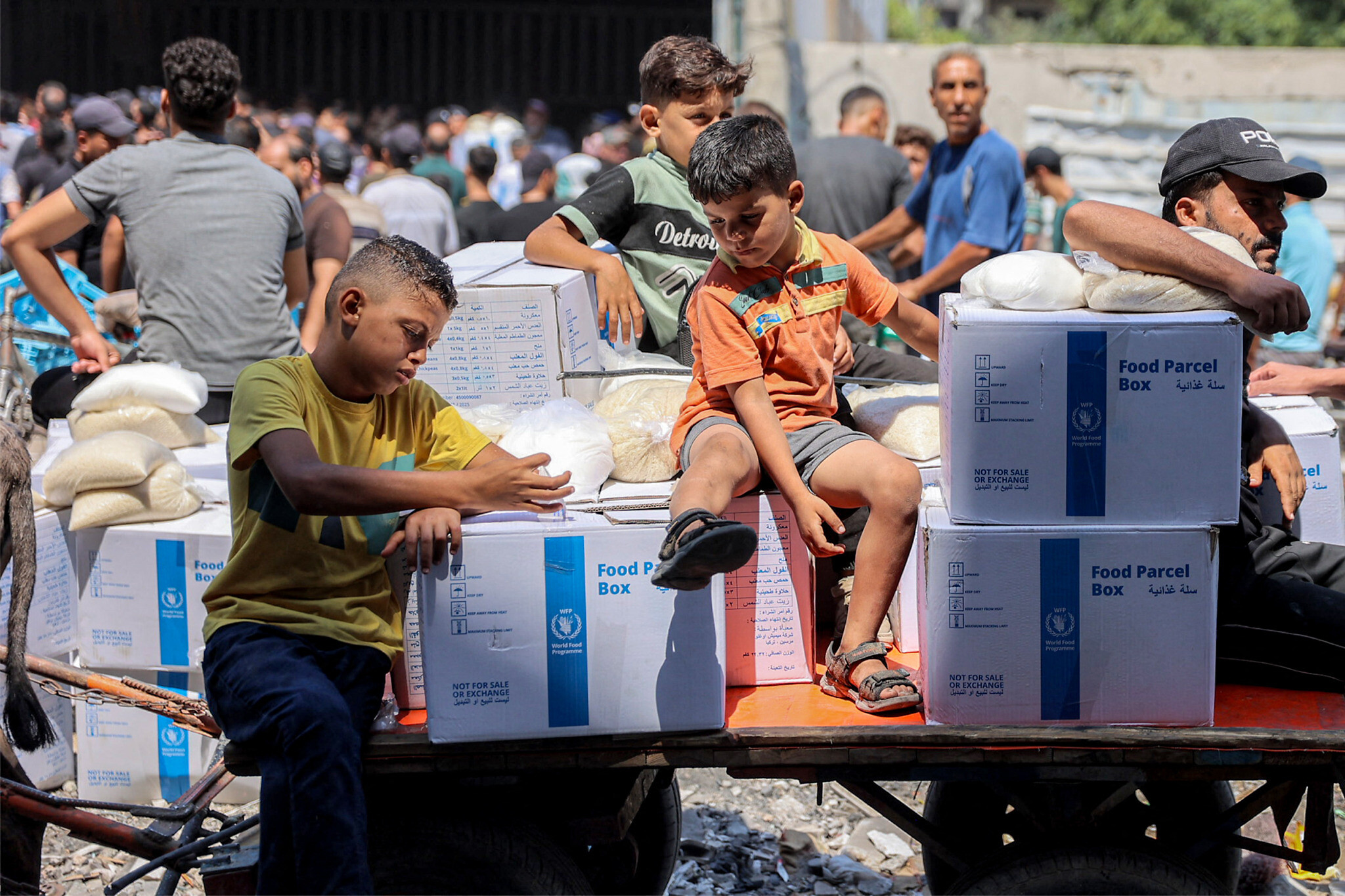
Israel Agrees to Pauses in Fighting in Gaza for Polio Vaccination
In a significant and humanitarian-focused decision, Israel has agreed to temporary pauses in its ongoing military operations in Gaza to facilitate a vital polio vaccination campaign. This decision underscores the importance of addressing public health concerns, even amid conflict.
Background
The Gaza Strip, a densely populated area, has faced ongoing challenges due to the Israeli-Palestinian conflict, which has led to intermittent escalations in violence. These hostilities have disrupted daily life and strained essential services, including healthcare. The need for a polio vaccination campaign became urgent following reports of new polio cases in the region. Polio, a highly infectious viral disease, primarily affects children and can lead to irreversible paralysis or even death. With limited access to healthcare, the risk of a polio outbreak in Gaza is particularly high.
The Humanitarian Pause
In response to the health crisis, international organizations, including the World Health Organization (WHO) and the United Nations (UN), urged Israel and Palestinian authorities to ensure the safety of healthcare workers and the delivery of vaccines. After extensive negotiations, Israel agreed to temporary pauses in military operations to allow for the safe distribution of the polio vaccine.
These pauses, coordinated with the help of international mediators, aim to create safe corridors for healthcare workers to reach children across Gaza. The vaccination campaign is targeting hundreds of thousands of children, with the goal of preventing a widespread outbreak of the disease.
International Reactions
The decision has been welcomed by global leaders and humanitarian organizations, who see it as a crucial step in protecting vulnerable populations during conflict. The WHO praised the cooperation between Israel and Palestinian authorities, highlighting the importance of prioritizing health even in times of war.
Challenges Ahead
While the pauses in fighting provide a temporary respite, challenges remain. The distribution of vaccines in conflict zones is fraught with difficulties, including limited access to certain areas, the potential for renewed violence, and logistical issues in maintaining the cold chain necessary for vaccine storage. Furthermore, ensuring that all children receive the vaccine requires coordinated efforts and the cooperation of local communities.
Conclusion
Israel’s decision to pause military operations for polio vaccinations in Gaza represents a significant moment where public health needs were prioritized amidst conflict. It is a reminder of the importance of protecting children and ensuring that basic health services are maintained even in the most challenging circumstances. As the vaccination campaign progresses, it will be a test of how humanitarian concerns can be balanced with the realities of ongoing conflict.