

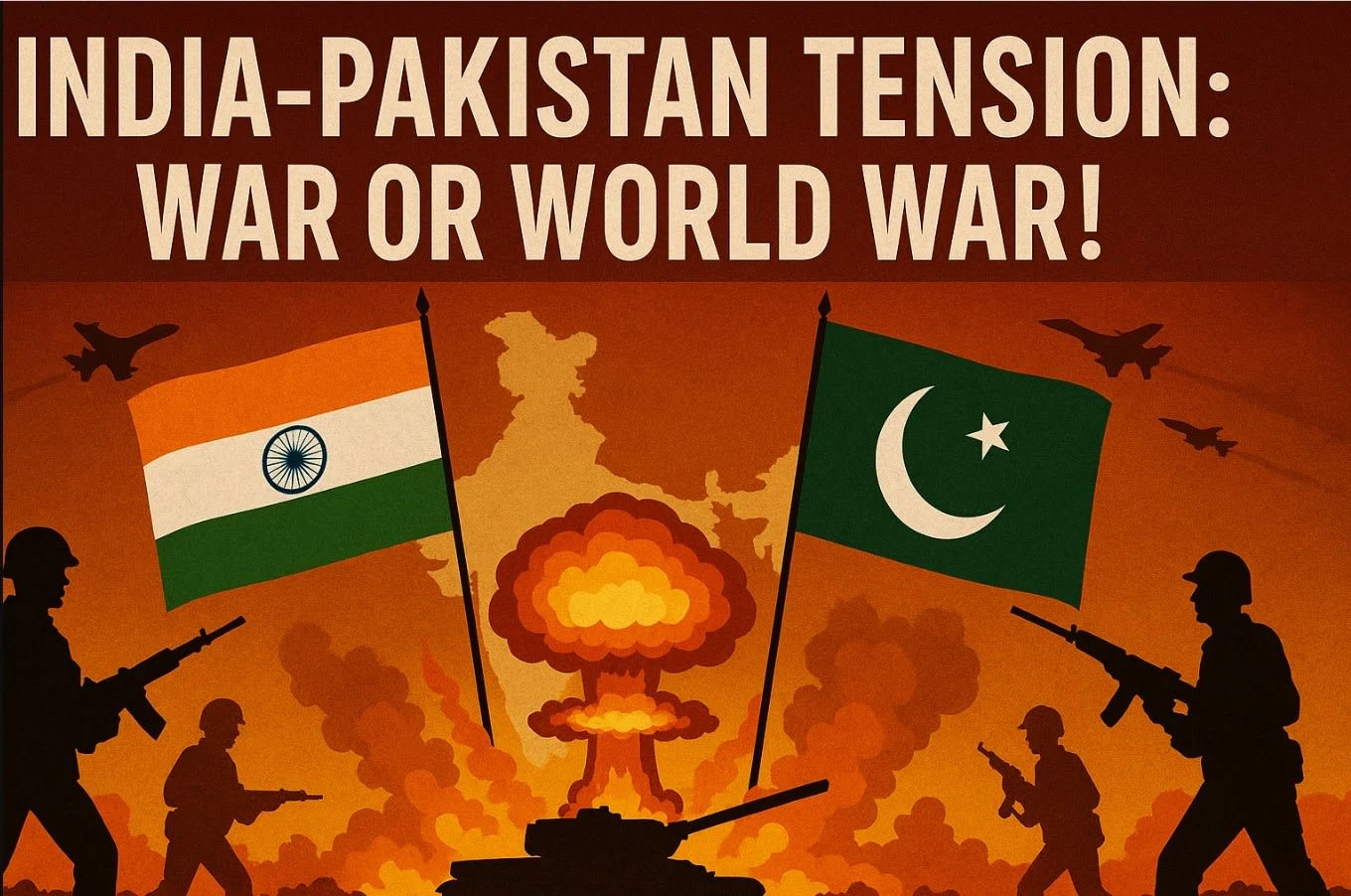
World on Edge: Tensions Flare Across Continents
Introduction
Ever feel like the world’s holding its breath? Like we’re all just waiting for… something? You’re not alone. From economic anxieties simmering beneath the surface to geopolitical hotspots threatening to boil over, it feels like tensions are flaring up across the globe. It’s easy to feel overwhelmed, a bit helpless even, when faced with such large-scale challenges. But before you resign yourself to doomsday scrolling, let’s break down what’s happening, why it matters, and, most importantly, what we can do about it.
Think of it like this: the world is a pressure cooker. Different ingredients (nations, cultures, resources) are simmering together, and when the heat gets turned up too high, something’s gotta give. Right now, that heat is being fueled by a multitude of factors.
A Perfect Storm of Pressures
One major culprit is economic inequality. The gap between the haves and have-nots is widening in many countries, creating social unrest and fueling resentment. Imagine a pot where some vegetables are perfectly cooked, while others are burning. The uneven distribution of wealth creates instability, leading to protests, political polarization, and even violent conflict.
Then there’s the climate crisis. We’re already seeing its devastating effects firsthand, from extreme weather events to rising sea levels. These disasters displace populations, strain resources, and exacerbate existing tensions. Think of it as adding fuel to the fire – as resources dwindle, competition and conflict intensify.
Add to that the rise of nationalism and populism in many countries. This often translates into protectionist trade policies, stricter immigration controls, and a general distrust of international cooperation. Instead of working together to solve global problems, nations are retreating inward, making things even more difficult. This is like everyone grabbing their own bowls and refusing to share, leading to scarcity and resentment.
Finally, we can’t ignore the role of misinformation and disinformation in fueling these tensions. The spread of fake news and propaganda online can manipulate public opinion, incite hatred, and undermine trust in institutions. Imagine someone stirring the pot with a spoon full of poison – it contaminates everything and makes it harder to trust the food.
Short-Term Pain, Long-Term Scars
So, what are the immediate and long-term consequences of these escalating tensions? In the short term, we can expect to see more of what we’re already witnessing: increased political instability, economic volatility, and humanitarian crises. Protests, conflicts, and displacement will become more common, straining already stretched resources and making it harder to address other pressing issues.
But the long-term impacts could be even more profound. Unresolved tensions can lead to protracted conflicts, failed states, and mass migrations. They can erode trust in democracy, undermine international institutions, and create a more divided and dangerous world. Imagine a pot that boils over – the mess and damage can take a long time to clean up.
Turning Down the Heat: Practical Solutions
Okay, so the situation is serious. But it’s not hopeless. We can still turn down the heat and prevent the pressure cooker from exploding. Here are some practical solutions that can make a difference:
- Investing in Education and Opportunity: Education is a powerful tool for combating poverty and inequality. By providing people with the skills and knowledge they need to succeed, we can create a more equitable and stable society. Think of South Korea’s economic transformation, driven largely by its investment in education. By prioritizing education, South Korea created a skilled workforce that fueled its economic growth and reduced social tensions.
- Promoting Sustainable Development: Addressing climate change and promoting sustainable development are essential for ensuring a stable and prosperous future. This means investing in renewable energy, reducing carbon emissions, and protecting natural resources. Costa Rica provides a fantastic example. The country has managed to generate almost all of its electricity from renewable sources, showcasing a commitment to sustainability and environmental protection.
- Strengthening International Cooperation: Global problems require global solutions. We need to strengthen international institutions and promote cooperation on issues like climate change, trade, and security. The Paris Agreement, though imperfect, demonstrates the power of nations working together to address a shared challenge.
- Combating Misinformation: Fighting the spread of fake news and propaganda is crucial for preserving trust in institutions and promoting informed decision-making. This requires investing in media literacy education, supporting independent journalism, and holding social media platforms accountable for the content they host. Initiatives like the News Literacy Project are equipping individuals with the skills to critically evaluate information and identify misinformation.
- Fostering Dialogue and Understanding: Bridging divides and promoting understanding between different cultures and communities is essential for building a more peaceful and inclusive world. This means supporting intercultural exchange programs, promoting tolerance and respect for diversity, and creating opportunities for people to connect and learn from one another. Programs like the Fulbright Program facilitate international educational exchange, fostering mutual understanding between nations.
Alternative Approaches: A Toolkit for Change
Not all solutions are one-size-fits-all. Here are some alternative approaches you can consider:
- Grassroots Activism: Support local organizations and initiatives that are working to address inequality, promote sustainability, and build community.
- Ethical Consumption: Make conscious choices about the products you buy and the companies you support. Choose products that are ethically sourced and produced.
- Political Engagement: Get involved in the political process and advocate for policies that promote peace, justice, and sustainability.
- Personal Responsibility: Take personal responsibility for your actions and make choices that are consistent with your values. Reduce your carbon footprint, conserve resources, and treat others with respect.
A Call to Action: From Anxiety to Agency
The world may be on edge, but we are not powerless. By understanding the challenges we face and working together to find solutions, we can create a more peaceful, just, and sustainable world. It starts with awareness, but it doesn’t end there.
Let’s move from feeling overwhelmed to feeling empowered. From anxiety to agency. From simply observing the world on edge to actively working towards a world in balance. Educate yourself, get involved, and let your voice be heard. The future of our planet depends on it. The choice is ours: will we succumb to the pressure, or will we work together to build a better future? The time to act is now.