

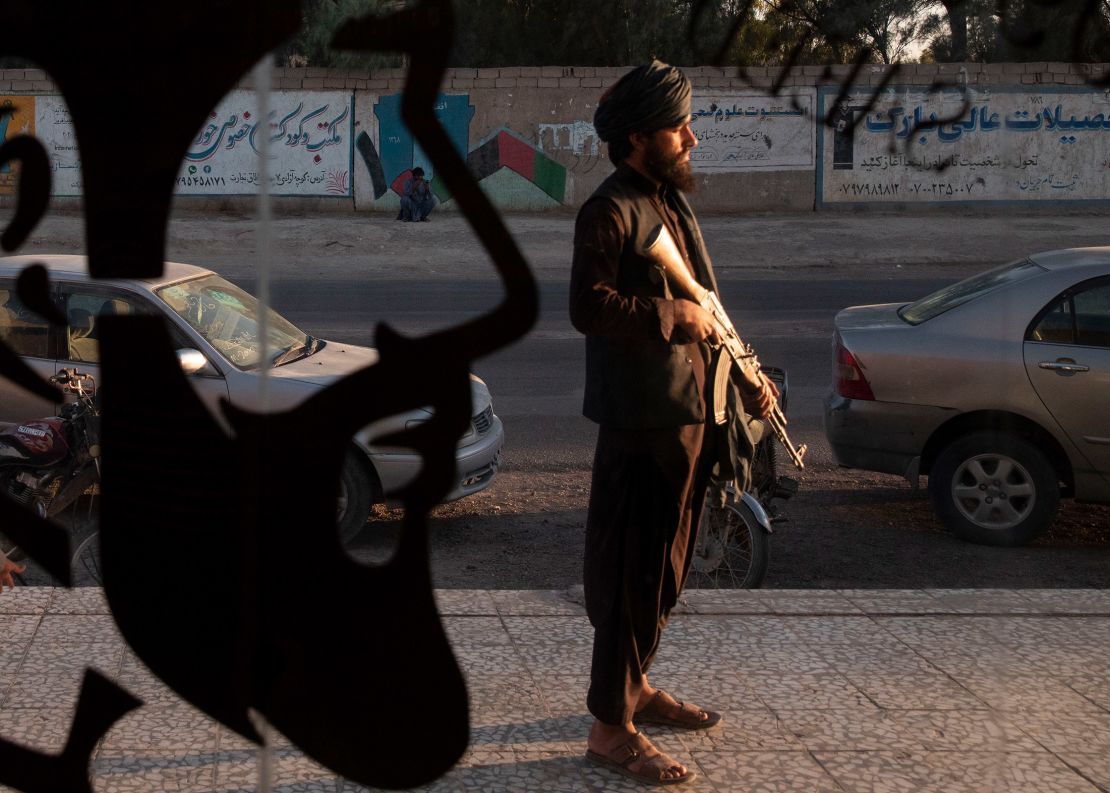
UN Report Details Life in Afghanistan Under Taliban’s Moral Enforcers
The United Nations has released a comprehensive report detailing the impact of the Taliban’s rule on everyday life in Afghanistan. Since the Taliban’s takeover in August 2021, the country has experienced significant changes, particularly under the enforcement of strict moral and social codes by the Taliban’s Ministry for the Propagation of Virtue and the Prevention of Vice. This report provides a stark look into the daily realities faced by Afghan citizens under the new regime.
Taliban’s Moral Edicts and Enforcement
The Taliban’s moral enforcers have reinstated many of the harsh policies that were in place during their previous rule from 1996 to 2001. The UN report highlights several key areas affected by these policies:
1. Women’s Rights and Restrictions:
- They are required to wear the all-encompassing burqa and must be accompanied by a male guardian when leaving their homes.
- Education for girls beyond the primary level has been severely restricted, with many schools for girls closed or repurposed.
- Women have been largely excluded from the workforce, with few exceptions in healthcare and education, exacerbating economic hardships for families reliant on women’s incomes.
2. Public Behavior and Punishments:
- The Taliban has imposed strict codes of conduct in public spaces, including bans on music, dance, and any form of entertainment deemed un-Islamic.
- Public floggings, amputations, and executions have been reinstated as punishments for various offenses, ranging from theft to adultery, often conducted in public to serve as deterrents.
3. Media and Expression:
- Freedom of expression and the press has been severely curtailed. Journalists face harassment, detention, and threats, leading to a significant decline in independent reporting.
- Television programs, including news and entertainment, are subject to strict censorship, with many international channels and social media platforms banned.
Humanitarian Impact
The report also sheds light on the humanitarian crisis exacerbated by these draconian measures. Afghanistan’s economy, already fragile, has been pushed to the brink with international aid largely halted and sanctions imposed on the Taliban regime. The UN highlights several critical issues:
1. Food Insecurity and Poverty:
- The combination of economic collapse and severe drought has led to widespread food insecurity. Over half of the population is now reliant on humanitarian aid.
- Poverty levels have soared, with millions of Afghans struggling to afford basic necessities such as food, water, and healthcare.
2. Health Crisis:
- The healthcare system is on the verge of collapse, with many hospitals and clinics unable to operate due to lack of funds, supplies, and personnel.
- The maternal and child mortality rates have risen sharply, and the country faces outbreaks of preventable diseases like measles and polio.
International Response and Recommendations
The UN report calls for urgent international attention and action to address the dire situation in Afghanistan. Key recommendations include:
1. Humanitarian Aid:
- The international community is urged to increase humanitarian aid and find ways to deliver it effectively without benefiting the Taliban regime.
- Special attention should be given to the most vulnerable populations, including women, children, and minority groups.
2. Diplomatic Engagement:
- Continued diplomatic engagement with the Taliban is essential to press for the restoration of basic human rights and freedoms.
- There should be a coordinated international effort to ensure that any negotiations with the Taliban include conditions for respecting human rights, particularly those of women and minorities.
3. Monitoring and Reporting:
- The UN and other international bodies should continue to monitor the situation closely and report on human rights abuses, providing a voice for those suffering under the regime.
- Efforts should be made to document and preserve evidence of human rights violations for potential future accountability..
The UN report paints a grim picture of life in Afghanistan under the Taliban’s moral enforcers, highlighting the urgent need for international intervention and support. As the Afghan people face an unprecedented humanitarian crisis, the global community’s response will be crucial in determining their future and upholding human rights in the region.