

Ukraine’s Foreign Minister Resigns Amid Cabinet Reshuffle as Russian Missiles Claim Lives
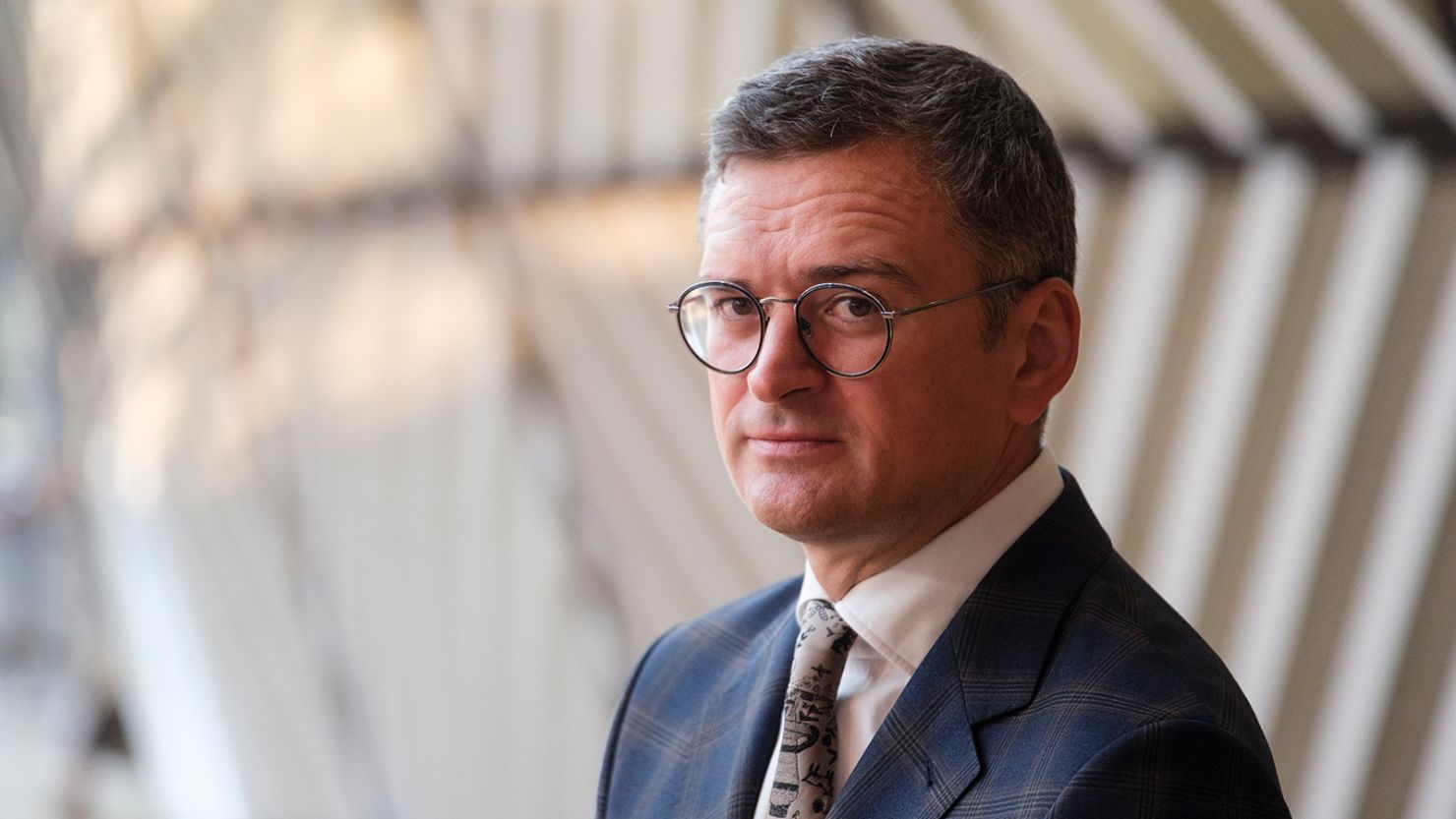
In a significant development amidst the ongoing conflict with Russia, Ukraine’s Foreign Minister, Dmytro Kuleba, has tendered his resignation ahead of an anticipated cabinet reshuffle. This political shake-up comes at a time when Ukraine continues to grapple with the devastating effects of the Russian invasion, highlighted by a recent missile strike that claimed the lives of at least seven civilians.
A Strategic Resignation Amidst Crisis
Dmytro Kuleba, who has served as Ukraine’s top diplomat since 2020, announced his decision to step down as part of a broader government reorganization. Kuleba has been a prominent figure on the international stage, playing a crucial role in rallying global support for Ukraine and advocating for sanctions against Russia. His resignation marks a pivotal moment in Ukraine’s political landscape, as the government seeks to adapt its leadership amidst the ongoing war.
The expected cabinet reshuffle is seen as an effort by President Volodymyr Zelensky to strengthen Ukraine’s internal cohesion and streamline the country’s leadership as it continues to face Russian aggression. While the full scope of the reshuffle remains unclear, it is anticipated that several key positions within the government may see changes as Ukraine adjusts its strategy both domestically and internationally.
Tragedy Strikes Amid Political Change
As news of Kuleba’s resignation broke, Ukraine was once again reminded of the harsh realities of war. Russian missile attacks targeted civilian areas in the eastern city of Pokrovsk, killing at least seven people and injuring many more. The strikes hit residential buildings, causing widespread destruction and further exacerbating the humanitarian crisis in the region.
The deadly attack underscores the ongoing threat posed by Russian forces, even as Ukraine prepares for significant political changes. President Zelensky condemned the missile strike, reiterating calls for stronger international support and urging the global community to hold Russia accountable for its actions.
The Implications of Kuleba’s Resignation
Kuleba’s resignation comes at a critical juncture for Ukraine. As the country continues to resist Russian advances, the role of the foreign minister has been vital in securing military aid, economic assistance, and diplomatic backing from the international community. Kuleba’s efforts have been instrumental in shaping the global response to Russia’s invasion, including the imposition of sanctions and the isolation of Russia on the world stage.
His departure raises questions about the future direction of Ukraine’s foreign policy. While it is expected that Kuleba’s successor will continue to advocate for strong international support, the change in leadership could bring new approaches to Ukraine’s diplomatic efforts. The timing of his resignation also suggests that the Zelensky administration is seeking to consolidate power and ensure that its cabinet is fully aligned with the president’s vision for the country’s future.
Looking Ahead
As Ukraine navigates the dual challenges of war and political change, the international community will be closely watching the outcomes of the cabinet reshuffle and the appointment of a new foreign minister. The situation underscores the delicate balance that Ukraine must maintain between its internal political dynamics and the external pressures of an ongoing conflict.
The resignation of Dmytro Kuleba marks the end of an era for Ukraine’s diplomatic efforts, but it also signals a potential shift in how the country will engage with its allies and adversaries moving forward. Meanwhile, the tragic loss of life from the recent missile strike serves as a stark reminder of the human cost of the conflict and the urgent need for a resolution.
As Ukraine continues to defend its sovereignty, the coming weeks will be crucial in determining the country’s political and strategic direction, both on the battlefield and in the halls of power.