

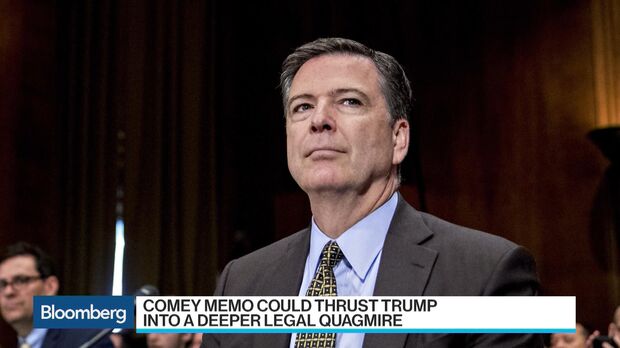
Trump’s Legal Quagmire Deepens: Impeachment Looms?
Introduction
Remember the good old days when political drama was just a fiery debate on policy? Well, buckle up, because things have taken a turn for the dramatic. Former President Donald Trump’s legal troubles are no longer a distant rumble; they’re a full-blown storm, and the question on everyone’s lips is: is impeachment 2.0 on the horizon?
This isn’t just about headlines and Twitter storms. It’s about the very foundation of American democracy, the rule of law, and the future of political accountability. So, grab your favorite beverage, settle in, and let’s unpack this legal labyrinth together.
A Tangled Web of Trouble
Let’s be honest, keeping track of Trump’s legal battles is like trying to follow a hummingbird on caffeine. There’s the classified documents case in Florida, the investigation into the January 6th insurrection, the business fraud allegations in New York, and, well, you get the picture. Each case carries its own weight, its own set of potential consequences, and its own cast of characters.
The classified documents case, for instance, centers on allegations that Trump improperly retained sensitive government documents after leaving office and then obstructed efforts to retrieve them. This is a big deal, not just because it involves potential violations of the Espionage Act, but because it raises serious questions about national security. Imagine classified information falling into the wrong hands – the implications could be catastrophic.
Then there’s the January 6th investigation, which is arguably the most politically charged of the bunch. The House Select Committee painstakingly laid out a case suggesting that Trump played a key role in inciting the Capitol riot. While the Committee has concluded its work, the Justice Department is still investigating, leaving the possibility of criminal charges hanging in the air.
And let’s not forget the financial woes in New York. Allegations of inflating asset values to secure loans and deflating them to reduce taxes could land Trump in hot water with state authorities. This isn’t just about money; it’s about whether the former president played fast and loose with the rules, and whether anyone is above the law.
Short-Term Impacts: A Political Rollercoaster
The immediate impact of these legal battles is, well, chaotic. Politically, the indictments have electrified Trump’s base, who see him as a victim of a “witch hunt.” Donations are flowing in, rallies are packed, and the narrative of persecution is resonating with a significant segment of the electorate.
However, the legal drama is also galvanizing Trump’s opposition. Democrats and some moderate Republicans see the indictments as a sign that accountability is finally catching up with the former president. The legal battles are likely to dominate the news cycle, overshadowing other political issues and further polarizing the country.
The impact on the 2024 election is undeniable. The legal battles could consume Trump’s time and resources, diverting his attention from campaigning. If he were to be convicted of a felony, it could significantly impact his electability, even though it wouldn’t necessarily disqualify him from running.
Long-Term Impacts: A Crisis of Confidence?
The long-term impacts of Trump’s legal woes are even more profound. At stake is public trust in government institutions and the rule of law. If Trump is perceived to be getting away with something, it could erode confidence in the fairness of the justice system. On the other hand, if he’s convicted, it could further inflame partisan divisions and lead to accusations of political persecution.
The cases also raise fundamental questions about the limits of presidential power and the accountability of former presidents. How should we balance the need to hold leaders accountable with the desire to avoid politically motivated prosecutions? These are complex questions with no easy answers.
Furthermore, these legal battles could set precedents for future presidents. The way these cases are handled could shape how future administrations approach issues of executive power, national security, and campaign finance.
What Can Be Done? Practical Solutions
So, what can be done to navigate this legal and political minefield? Here are a few practical approaches:
- Transparency and Due Process: The justice system must operate with utmost transparency and ensure that Trump receives due process. This means providing access to evidence, allowing for a fair trial, and adhering to the highest legal standards. Even if one disagrees with Trump’s actions, it’s crucial to remember that everyone is entitled to a fair hearing. This approach will help maintain the legitimacy of the legal process, regardless of the outcome.
- Independent Investigations: To ensure impartiality, independent investigations are essential. Special counsels or independent commissions can provide unbiased assessments of the facts, reducing the risk of political interference. For instance, the Mueller investigation into Russian interference in the 2016 election was led by a special counsel, ensuring a level of independence.
- Strengthening Ethics Laws: To prevent similar situations in the future, ethics laws need to be strengthened. This includes clearer guidelines on conflicts of interest, post-presidency conduct, and campaign finance regulations. Case Study: The Ethics in Government Act of 1978, enacted after Watergate, aimed to improve transparency and prevent conflicts of interest. Strengthening such laws can create more robust safeguards.
- Civic Education and Engagement: It’s crucial to educate the public about the importance of the rule of law and the principles of democracy. Encouraging civic engagement and informed participation can help citizens make better decisions and hold their leaders accountable. Schools, community organizations, and media outlets can play a role in promoting civic literacy.
- Non-Partisan Dialogue: Fostering non-partisan dialogue and civil discourse can help bridge political divides and promote understanding. Creating forums for open discussion and respectful debate can help citizens find common ground and address complex issues collaboratively. Organizations like the National Issues Forums provide platforms for citizens to engage in deliberative dialogue.
Alternative Approaches: A Multifaceted Strategy
Here are some alternative solutions to consider:
- Truth and Reconciliation Commission: Modeled after South Africa’s post-apartheid efforts, a truth and reconciliation commission could provide a platform for acknowledging past wrongs, promoting healing, and fostering national unity. This approach would require broad participation and a commitment to honesty and accountability.
- Restorative Justice: In cases where appropriate, restorative justice practices could be used to address the harm caused by Trump’s actions. This approach focuses on repairing relationships and promoting accountability through dialogue and reconciliation.
- Constitutional Amendments: Some argue that constitutional amendments are needed to clarify issues such as presidential pardons, campaign finance, and the peaceful transfer of power. While this approach is more challenging, it could provide long-term solutions to systemic problems.
Conclusion: An Opportunity for Renewal
Trump’s legal quagmire is undoubtedly a challenging moment for the United States. But it’s also an opportunity for renewal. By upholding the rule of law, promoting transparency, and fostering civic engagement, we can emerge stronger and more resilient as a nation.
This isn’t just about one person or one political party; it’s about the future of American democracy. It’s about ensuring that no one is above the law and that our institutions are strong enough to withstand any challenge.
So, let’s not be paralyzed by fear or cynicism. Let’s use this moment to reaffirm our commitment to the principles of justice, equality, and accountability. Let’s engage in constructive dialogue, advocate for meaningful reforms, and work together to build a better future for ourselves and for generations to come. The journey may be difficult, but the destination – a more just and equitable society – is worth fighting for.