

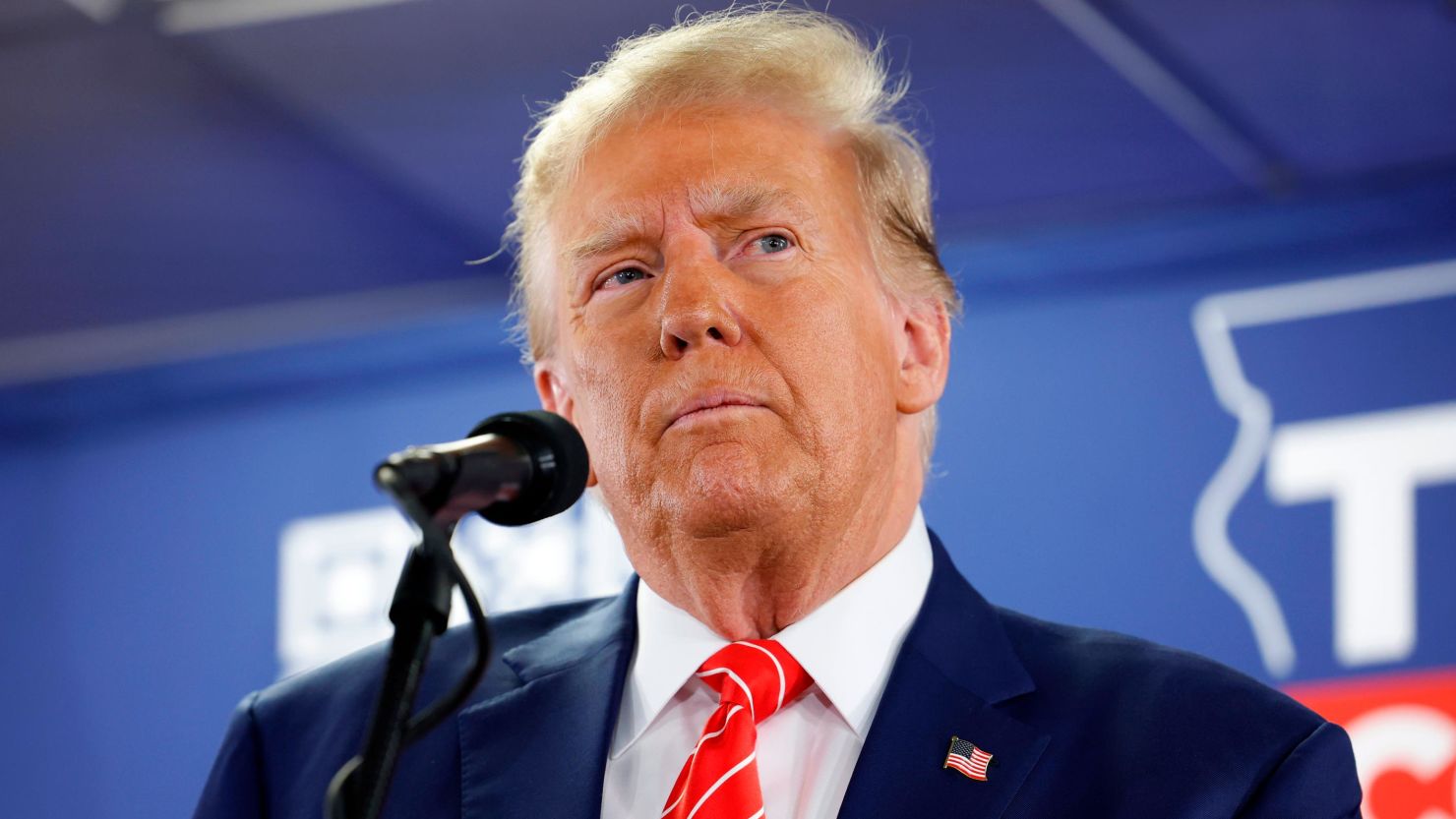
Trump’s Endgame: Legal Battles and Political Futures Collide
Introduction
Okay, let’s talk about Donald Trump. Love him, hate him, or feel somewhere in between, you can’t deny he’s a force of nature – a political hurricane whose swirling aftermath continues to shape the American landscape. Right now, that aftermath is a tangled web of legal battles and the persistent question of what his political future holds. It’s a complex situation, but we’re going to break it down in a way that’s easy to digest, looking at the immediate impacts, the potential long-term consequences, and, most importantly, what we can actually *do* about it.
Explanation of the Problem
Forget the partisan shouting matches for a minute. Let’s focus on the cold, hard reality: Trump faces a gauntlet of legal challenges, from the January 6th investigation to financial fraud allegations in New York and the classified documents case. These aren’t just minor hiccups; they’re potentially career-ending, legacy-defining moments.
The immediate impact is clear: the 2024 presidential election cycle is being heavily influenced, if not completely dominated, by these legal dramas. Every indictment, every hearing, every leaked document throws fuel onto the already raging fire of political polarization. Fundraising surges (for both sides), accusations of witch hunts fly back and forth, and public discourse becomes even more strained. It creates a climate of distrust and makes it harder to have rational conversations about the issues that truly matter.
Beyond the immediate noise, however, lie potentially far-reaching consequences for American democracy. What happens if a presidential candidate is actively fighting criminal charges? What message does it send to the world about our commitment to the rule of law? What impact will this have on future elections and the perception of justice in our country?
These are heavy questions, and there are no easy answers. But ignoring them isn’t an option. So, what can we, as engaged citizens, actually do? Let’s explore some practical solutions.
Navigating the Storm: Practical Solutions for an Uncertain Future
- Become a Hyper-Informed Citizen: This isn’t about blindly following your preferred news source. It’s about actively seeking out diverse perspectives, fact-checking information, and becoming a critical consumer of news. Understand the legal processes involved in each case. Read court documents, follow reputable legal analysts, and avoid knee-jerk reactions based on headlines alone.
- Example: Instead of just reading a news article about Trump’s indictment in the classified documents case, seek out the actual indictment document online and read it yourself. Compare reports from different news outlets, noting any discrepancies or biases.
- Engage in Constructive Dialogue: It’s tempting to retreat into echo chambers of like-minded individuals, but real progress happens when we engage with people who hold different views. This doesn’t mean you have to agree, but it does mean listening respectfully, seeking to understand their perspective, and finding common ground where possible.
- Case Study: “Braver Angels” is an organization dedicated to depolarizing American politics by facilitating structured conversations between conservatives and liberals. Their workshops and debates demonstrate how to respectfully disagree and find common ground on shared values.
- Support Institutions of Accountability: A healthy democracy relies on independent institutions to hold power accountable. This includes the judiciary, the press, and non-partisan oversight bodies. Support these institutions through donations, advocacy, and by holding them accountable for their own ethical conduct.
- Example: Support organizations like the Committee to Protect Journalists, which defends the rights of journalists worldwide, or the Brennan Center for Justice, which works to advance democracy and justice through legal and policy reforms.
- Demand Transparency and Ethical Conduct from Elected Officials: Contact your elected officials and let them know that you expect them to uphold the rule of law and act ethically, regardless of their political affiliation. Support campaign finance reforms that limit the influence of money in politics and promote transparency in government.
- Practical Tip: Use websites like Common Cause or GovTrack.us to easily find contact information for your elected officials and track their voting records on key issues.
- Focus on the Issues, Not Just the Personalities: While the Trump saga is undeniably captivating, it’s important to remember that there are other pressing issues facing the country. Don’t let the drama distract you from addressing issues like climate change, healthcare, economic inequality, and education reform.
- Alternative Approach: Engage in local politics and support candidates who are committed to addressing these issues in your community. Volunteer for organizations that are working to make a positive impact on your neighborhood.
- Promote Civic Education: Many Americans lack a basic understanding of how our government works and their rights as citizens. Support efforts to improve civic education in schools and communities. Encourage young people to get involved in politics and become active participants in our democracy.
- Example: Support organizations like the National Constitution Center, which offers educational programs and resources on the U.S. Constitution.
- Embrace Diverse Voices: Ensure that your news and information sources include a variety of perspectives, including those from underrepresented communities. This will help you to understand the issues from different angles and make more informed decisions.
- Practical Tip: Actively seek out news outlets and commentators who represent different racial, ethnic, and socioeconomic backgrounds. Challenge yourself to listen to viewpoints that you may not agree with.
Alternative Solutions and Approaches:
- Ranked-Choice Voting: This system allows voters to rank candidates in order of preference, rather than simply choosing one. This can lead to more moderate candidates being elected and reduce the incentive for negative campaigning.
- Independent Redistricting Commissions: These commissions are designed to draw electoral district boundaries in a non-partisan manner, preventing gerrymandering and promoting fairer elections.
- Campaign Finance Reform: Limiting the amount of money that can be spent in political campaigns and increasing transparency in campaign finance can reduce the influence of special interests and promote a more level playing field for candidates.
Conclusion: A Call to Action
The current political climate, fueled by legal battles and questions about the future, can feel overwhelming. It’s easy to feel powerless in the face of such complex challenges. But remember, you are not powerless. You have a voice, and you have the ability to make a difference.
By becoming informed, engaging in constructive dialogue, supporting institutions of accountability, and focusing on the issues that matter most, we can navigate these turbulent times and work towards a more just and equitable future. It won’t be easy, and there will be setbacks along the way. But by working together, we can strengthen our democracy and ensure that it remains a beacon of hope for generations to come.
Don’t let the drama paralyze you. Let it motivate you. Educate yourself, get involved, and make your voice heard. The future of our democracy depends on it. The endgame isn’t written yet. Let’s make sure it’s one we can be proud of.