

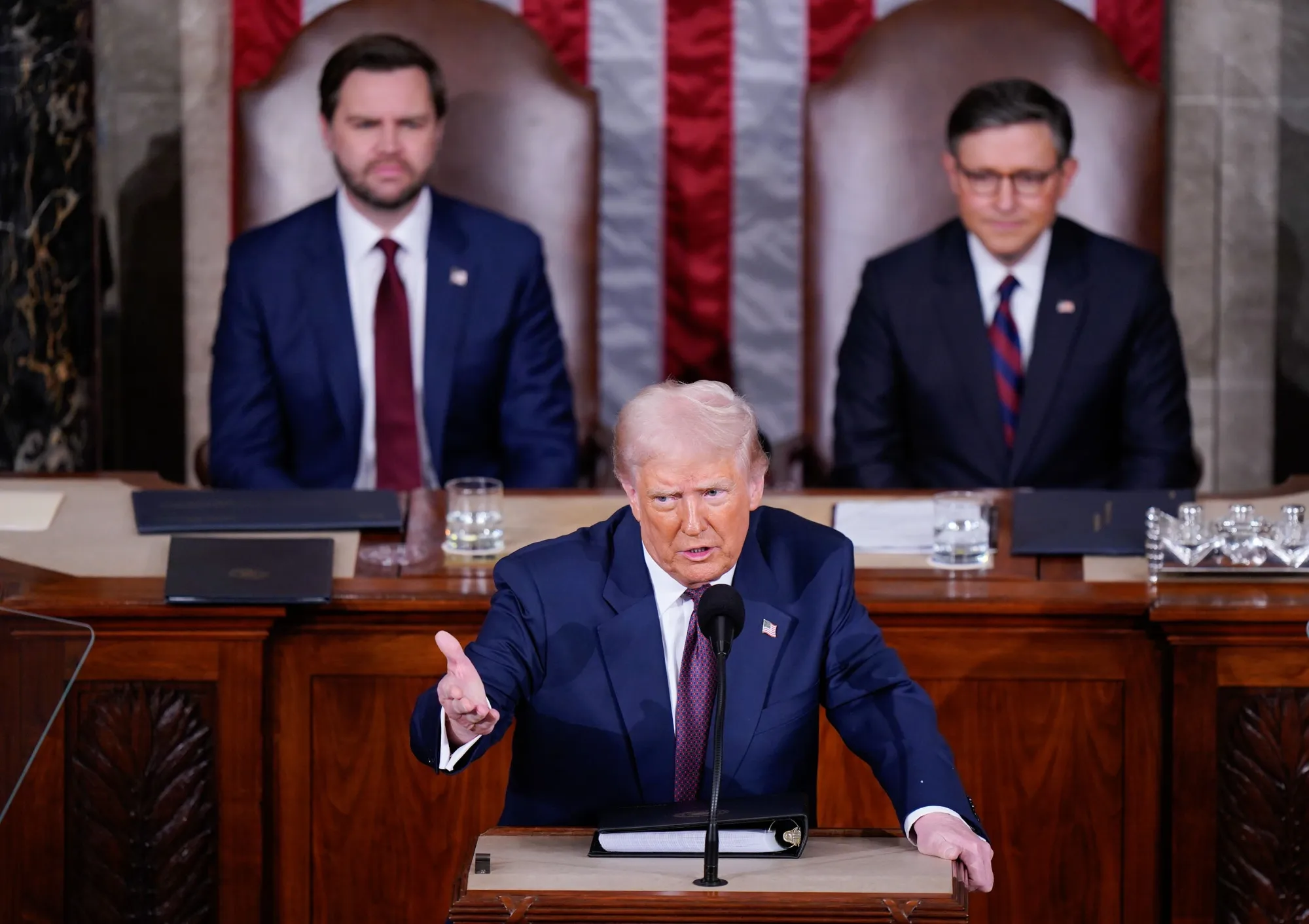
Trump’s Endgame: Chaos or Comeback?
Introduction
Okay, let’s be honest. When you saw that headline, you probably either rolled your eyes or leaned in closer. Donald Trump. The name itself conjures up strong reactions, and for good reason. He’s a political force unlike any other in recent memory, and right now, we’re watching what could be his endgame play out in real-time. The question isn’t just about whether he’ll win the presidency again. It’s about the lasting impact he’s already had, and whether that impact will lead to more chaos or a potential comeback – not just for him, but for a certain vision of America.
So, what exactly *is* Trump’s endgame? It’s a question that’s been buzzing around political circles, water coolers, and family dinners for months. Is it simply about reclaiming the White House in 2024, or is there something more profound at play – a reshaping of the Republican party, a solidification of his political movement, or even a complete overhaul of the established political order?
Explanation of the Problem
Short-Term Turmoil: The Here and Now
Right now, the short-term picture is a whirlwind. We’re talking legal battles, campaign rallies, and a constant barrage of headlines that keep the news cycle spinning faster than a Tilt-A-Whirl. The indictments are serious, and the legal proceedings are messy, no doubt about it. This legal pressure could potentially weaken his hold on the Republican party, if key figures start to distance themselves. However, it could equally, and maybe even more powerfully, galvanize his base, solidifying their support and fueling the narrative of a “witch hunt” designed to silence him and his followers.
The immediate impact of all this is widespread political polarization. Trump thrives on division, and the current climate is tailor-made for his brand of populism. The more divided the country becomes, the more his supporters dig in, feeling like they’re fighting a righteous battle against a corrupt system.
Long-Term Legacy: Reshaping the Landscape
But the long-term consequences are what really keep political strategists up at night. Trump’s presidency already fundamentally altered the Republican party. Traditional conservative values were often overshadowed by a more nationalist, populist, and personality-driven brand of politics. Will this become the new normal for the GOP? That’s a huge question with massive implications.
Beyond the Republican party, Trump’s actions have also had a profound impact on democratic institutions. From questioning the validity of elections to undermining public trust in the media, his rhetoric has weakened the foundations of American democracy. The risk is that these wounds will continue to fester, eroding faith in the system and making it harder to find common ground on critical issues.
Think about the long-term implications of consistently questioning election results. What happens when people no longer trust the outcome of elections? The answer isn’t pretty. It leads to political instability, civil unrest, and a general breakdown of the rule of law. This isn’t hyperbole; we’ve seen it happen in other countries around the world.
Solutions
So, what can be done? How do we navigate this complex landscape and prevent Trump’s endgame from leading to further chaos? There are no easy answers, but here are a few practical approaches:
- Strengthening Democratic Institutions: This means reinforcing the checks and balances that are designed to prevent any one person from accumulating too much power. It means protecting the integrity of elections, ensuring that every vote is counted accurately and fairly. It means promoting transparency and accountability in government, so that the public can hold elected officials accountable for their actions.
- Example: Supporting legislation that protects voting rights, like the John Lewis Voting Rights Advancement Act, would be a concrete step in this direction.
- Promoting Civil Discourse: We need to find ways to bridge the divides that are tearing our country apart. This means listening to each other, even when we disagree. It means engaging in respectful dialogue, even when we have different perspectives. It means finding common ground, even when it seems impossible.
- Example: Community forums and town hall meetings, where people can come together to discuss important issues in a civil and respectful manner, can be a powerful tool for promoting civil discourse. Organizations like Braver Angels are working to facilitate these kinds of conversations.
- Combating Misinformation: The spread of fake news and conspiracy theories is a serious threat to democracy. We need to be more critical of the information we consume, and we need to be more vigilant in calling out misinformation when we see it.
- Example: Supporting fact-checking organizations and promoting media literacy education in schools are two ways to combat misinformation. NewsGuard, for example, provides ratings for news websites based on their credibility and transparency.
- Reforming Campaign Finance: The influence of money in politics is a major problem. We need to reduce the power of wealthy donors and corporations by reforming campaign finance laws.
- Example: Implementing public financing of elections, where candidates receive public funds to run their campaigns, can help to level the playing field and reduce the influence of big money.
- Engaging in Local Politics: Change often starts at the local level. Getting involved in your community, whether it’s volunteering for a local organization, attending city council meetings, or running for office yourself, is a powerful way to make a difference.
- Example: Supporting local candidates who prioritize community needs over partisan politics can help to create a more responsive and accountable government.
- Supporting Independent Journalism: A free and independent press is essential for holding power accountable. Supporting local news organizations and subscribing to reputable national publications helps to ensure that journalists can continue to do their job.
Alternative Approaches: A Toolkit for the Future
These are just a few ideas, and there are many other approaches that could be taken. The key is to be proactive, to be engaged, and to be willing to work together to build a better future. Here are a few alternative solutions to consider:
- Ranked-Choice Voting: This system allows voters to rank candidates in order of preference, rather than just choosing one. It can lead to more moderate outcomes and reduce the incentive for negative campaigning.
- Constitutional Amendments: Some argue that more fundamental changes are needed to address the problems facing American democracy. Proposing and ratifying constitutional amendments on issues like campaign finance or electoral reform could be a way to achieve these changes.
- Promoting Civic Education: Investing in civic education in schools can help to create a more informed and engaged citizenry. Teaching students about the principles of democracy, the importance of civic participation, and the skills needed to be responsible citizens can help to strengthen democracy in the long run.
Conclusion
The challenges we face are significant, but they are not insurmountable. Despite the divisions and the turmoil, there is still a reason for optimism. The American people are resilient, resourceful, and committed to the ideals of democracy. By working together, we can overcome the challenges that lie ahead and build a more just and equitable society for all.
Don’t let the headlines paralyze you. Don’t let the negativity discourage you. Take action. Get involved. Make your voice heard. The future of our country depends on it. Trump’s endgame might be uncertain, but your endgame – a thriving, united, and democratic America – is within reach. Let’s work together to make it happen.