

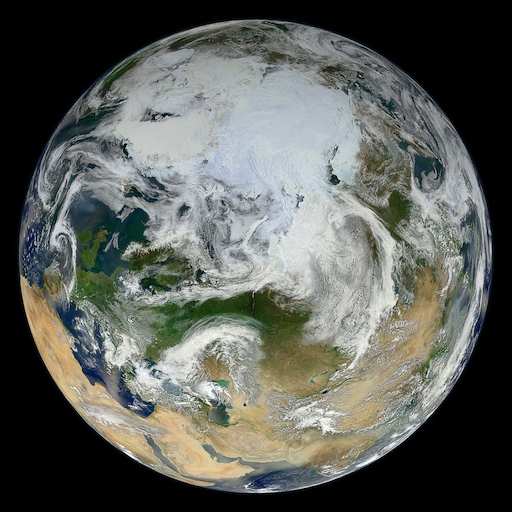
The World. Now.
Introduction
Ever feel like you’re standing at a crossroads, staring at a world that’s evolving faster than you can keep up with? You’re not alone. We’re living in a hyper-connected, rapidly changing world, a world where the ripples of decisions made on one side of the globe can be felt on the other, almost instantaneously. Forget waiting for the news cycle – real-time updates are now the norm, and the future feels like it’s arriving a little bit sooner every single day. But with this accelerated pace comes a unique set of challenges, opportunities, and yes, a bit of anxiety. So, let’s take a deep breath and unpack what “The World. Now.” really means, and more importantly, what we can *do* about it.
The Tides of Change: Short-Term Swells and Long-Term Currents
The immediate effects of our interconnected world are evident everywhere. Look at the supply chain disruptions caused by recent global events. A factory closure on one continent can translate to empty shelves at your local grocery store in a matter of weeks. This is a short-term swell, a jolt to the system. Similarly, rapid technological advancements, like the explosion of AI, are impacting job markets *now*. People are actively reassessing their skillsets and career paths to stay relevant.
But beneath these immediate ripples lie deeper currents. The long-term consequences of climate change, for example, are no longer a distant threat. We’re seeing increased frequency and intensity of extreme weather events, impacting agriculture, infrastructure, and displacing populations. This isn’t just an environmental issue; it’s a societal, economic, and political one.
Another long-term current is the growing digital divide. While some are benefiting immensely from the digital revolution, others are being left behind, lacking access to the internet, digital literacy, and the opportunities that come with them. This disparity threatens to exacerbate existing inequalities and create new forms of social stratification.
These short-term swells and long-term currents aren’t isolated incidents; they are interconnected and influence each other. Addressing these challenges requires a multi-faceted approach that considers both the immediate consequences and the long-term implications. So, where do we even begin?
Navigating the Waters: Practical Solutions for a Complex World
The good news is, we aren’t powerless. While the challenges are daunting, there are practical steps we can take, both individually and collectively, to navigate this complex world. Here are a few approaches to consider:
- Upskilling and Lifelong Learning: The shelf life of skills is shrinking. The ability to adapt and learn new things is becoming increasingly crucial. This means embracing a mindset of lifelong learning, actively seeking out opportunities to upskill and reskill, and becoming comfortable with the idea of career pivots.
- Example: Platforms like Coursera, edX, and Skillshare offer a wide range of online courses in various fields, often at affordable prices. Consider taking a course in data analytics, project management, or a new programming language to enhance your skill set. Local community colleges often offer accessible and affordable training programs as well.
- Building Resilience: Resilience, both personal and communal, is the ability to bounce back from adversity. This involves developing strong support networks, practicing mindfulness and stress management techniques, and advocating for policies that promote community well-being.
- Example: Look for local community groups or support networks focused on issues you care about. Volunteering can not only make a difference but also help you build connections and a sense of purpose. Invest in your mental and physical health through exercise, healthy eating, and mindfulness practices.
- Investing in Sustainable Practices: Addressing climate change requires a collective effort, but individual actions can make a difference. This includes reducing your carbon footprint through conscious consumption, supporting businesses committed to sustainability, and advocating for policies that promote renewable energy and environmental protection.
- Example: Consider reducing your reliance on single-use plastics by using reusable bags, water bottles, and coffee cups. Choose to support local farmers’ markets and businesses that prioritize sustainable practices. Advocate for policies that promote renewable energy and energy efficiency in your community.
- Bridging the Digital Divide: Access to technology and digital literacy is essential for full participation in the modern world. This requires investing in infrastructure, providing affordable internet access, and offering digital literacy training programs, particularly for underserved communities.
- Example: Support organizations that are working to provide internet access and digital literacy training to underserved communities. Volunteer your time to teach others basic computer skills. Advocate for policies that promote affordable internet access and digital inclusion.
- Engaging in Informed Civic Participation: Staying informed about current events, engaging in constructive dialogue, and participating in the democratic process are crucial for shaping the future. This includes researching candidates and issues, voting in elections, and advocating for policies that align with your values.
- Example: Follow reputable news sources from diverse perspectives to stay informed about current events. Engage in respectful conversations with people who hold different views. Contact your elected officials to express your opinions on important issues.
Alternative Pathways: Finding What Works For You
These are just a few starting points. The specific solutions that resonate with you will depend on your individual circumstances, values, and capabilities. Here are some alternative approaches to consider:
- Focus on Local Action: Instead of feeling overwhelmed by global issues, focus on making a difference in your own community. This could involve volunteering at a local food bank, participating in a community garden, or advocating for local policies that promote sustainability and social justice.
- Embrace Ethical Consumption: Make conscious choices about the products and services you consume. Support businesses that prioritize fair labor practices, environmental sustainability, and ethical sourcing.
- Cultivate Empathy and Understanding: Seek out opportunities to learn about different cultures, perspectives, and experiences. This can help you develop empathy and understanding, which are essential for building bridges and fostering collaboration.
- Prioritize Mental Well-being: The constant barrage of information and the pressures of modern life can take a toll on our mental health. Prioritize self-care, practice mindfulness, and seek professional help if you’re struggling.
The Future is Now: A Call to Action
“The World. Now.” might seem overwhelming, but it’s also an invitation. An invitation to be present, to be informed, to be engaged, and to be a force for positive change. Don’t let the magnitude of the challenges paralyze you. Start small, focus on what you can control, and remember that every action, no matter how small, contributes to a larger movement.
This isn’t about solving all the world’s problems single-handedly. It’s about embracing a mindset of continuous learning, adaptation, and collaboration. It’s about recognizing that we are all interconnected and that our actions have consequences.
The future isn’t some distant destination; it’s being built right now, by us, with every decision we make. So, let’s choose wisely, act intentionally, and work together to create a world that is more just, sustainable, and equitable for all. The world needs your contribution. The world needs you. Now.