

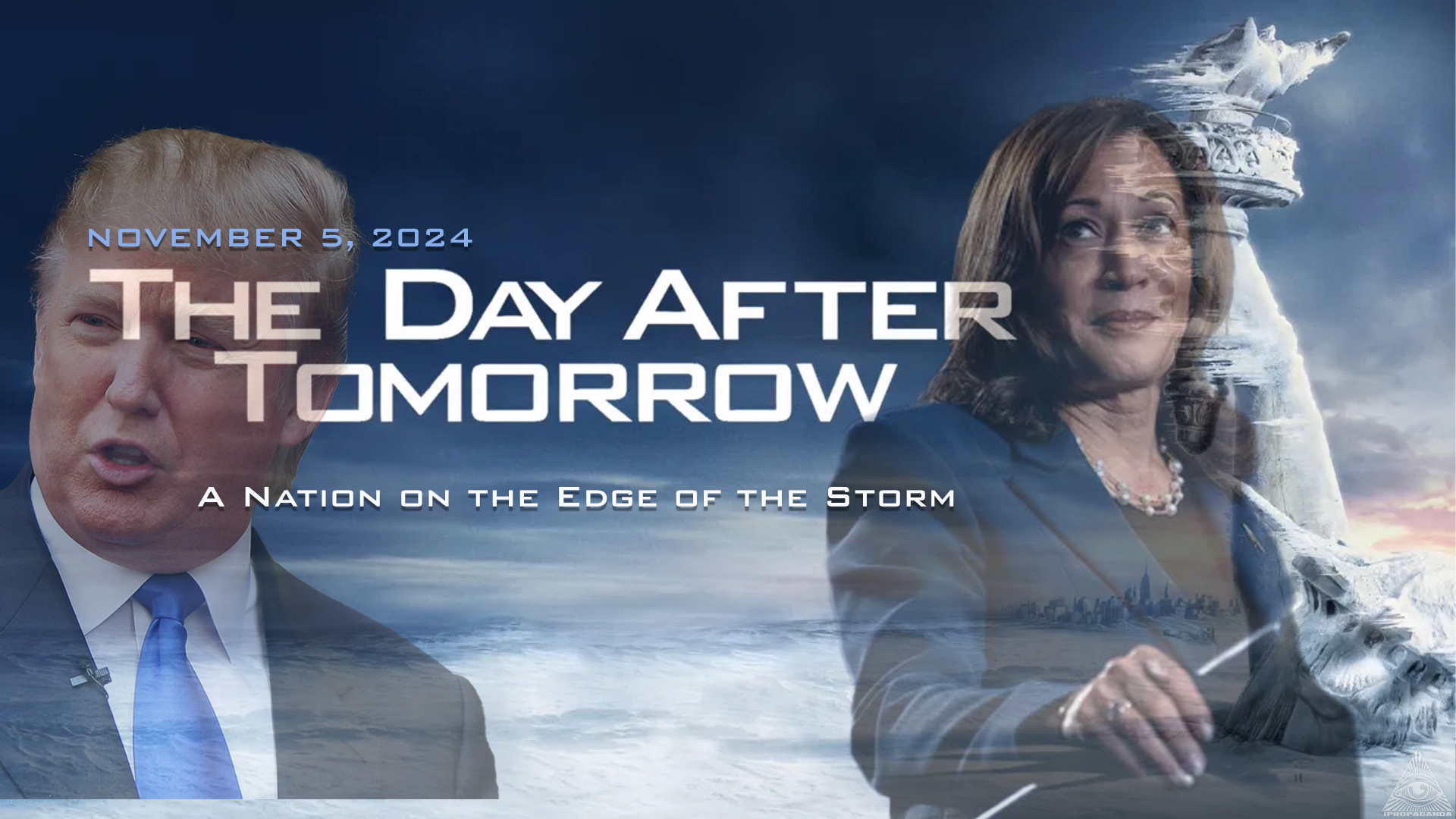
Nation on Edge: Divides Deepen, Uncertainty Grips
Introduction
We’ve all felt it, haven’t we? That subtle hum of anxiety that seems to vibrate beneath the surface of everyday life. From the grocery store to social media, a tension hangs in the air, thick with disagreement and punctuated by uncertainty. It’s not just a feeling; it’s a reality. Our nation feels like it’s teetering on the edge, divided by chasms that seem to grow wider with each passing news cycle. But how did we get here, and more importantly, what can we do about it?
This isn’t your typical doom-and-gloom report. Instead, we’re going to dissect the current climate, explore the potential consequences, and, most importantly, unpack practical steps we can all take to bridge these divides and navigate the uncertainty with a bit more grace and a lot more hope.
The Fault Lines: Where Did We Go Wrong?
Let’s be honest, pinpointing one single cause for this national angst is impossible. It’s a complex tapestry woven with threads of political polarization, economic anxieties, social media echo chambers, and a dash of plain old fear of the unknown.
- Political Tribalism: We’ve become increasingly entrenched in our political camps, viewing those on the “other side” not as fellow citizens with differing opinions, but as adversaries. This “us vs. them” mentality makes compromise nearly impossible and fosters distrust at every level.
- Economic Inequality: The widening gap between the wealthy and the working class fuels resentment and a sense of unfairness. When people feel like the system is rigged against them, it’s easy to become disillusioned and angry.
- Social Media’s Echo Chamber: Algorithms designed to keep us engaged often reinforce our existing beliefs, creating echo chambers where dissenting opinions are silenced or ridiculed. This limits our exposure to diverse perspectives and makes it harder to understand and empathize with those who hold different views.
- The Information Overload: We are bombarded with information (and misinformation) 24/7, making it difficult to discern truth from falsehood and contributing to a general sense of overwhelm and anxiety.
- Erosion of Trust: Trust in institutions, from the media to the government, has steadily declined. This lack of trust makes it difficult to address collective challenges and further fuels polarization.
The Ripple Effect: Short-Term and Long-Term Impacts
So, what are the consequences of this national division? It’s not just about heated arguments around the Thanksgiving table. The impacts are far-reaching and affect everything from our personal well-being to the stability of our society.
- Short-Term:
- Increased stress and anxiety: Constantly being exposed to conflict and negativity can take a toll on our mental health.
- Damaged relationships: Political and social disagreements can strain relationships with family, friends, and colleagues.
- Gridlock and inaction: Political polarization makes it difficult to address pressing issues, leading to government gridlock and inaction.
- Increased social unrest: Frustration and anger can boil over into protests, demonstrations, and even violence.
- Long-Term:
- Erosion of democracy: Extreme polarization can weaken democratic institutions and make it harder to govern effectively.
- Economic stagnation: Lack of cooperation and trust can hinder economic growth and innovation.
- Social fragmentation: Deep divisions can lead to a breakdown of social cohesion and a sense of national identity.
- Increased extremism: When people feel alienated and unheard, they may be more susceptible to extremist ideologies.
Building Bridges: Practical Solutions for a Divided Nation
Okay, enough doom and gloom. Let’s talk solutions. While systemic change is crucial, we can all start making a difference in our own lives and communities today. Here are a few practical approaches:
- Cultivate Critical Thinking:
- Diversify Your Information Diet: Actively seek out news and perspectives from a variety of sources, not just those that confirm your existing beliefs.
- Fact-Check: Don’t blindly accept everything you read or hear. Use reputable fact-checking websites to verify information before sharing it.
- Question Your Assumptions: Be willing to challenge your own beliefs and consider alternative perspectives.
Example: Instead of solely relying on your preferred news channel, make a conscious effort to read articles from publications with different editorial stances. Spotting the common ground between different outlets and thinking about the source of the information can help.
- Practice Empathetic Communication:
- Listen Actively: Truly listen to what others are saying, without interrupting or formulating your response while they’re speaking.
- Seek to Understand: Try to understand the other person’s perspective, even if you don’t agree with it. Ask clarifying questions and show genuine curiosity.
- Find Common Ground: Look for areas of agreement, even if they’re small. Building on common ground can help bridge divides.
Example: Imagine a heated debate about climate change with a family member who doubts its severity. Instead of immediately launching into facts and figures, try to understand their concerns. Ask about their economic anxieties or their distrust of scientific institutions. By understanding their perspective, you can tailor your arguments in a way that resonates with them.
- Embrace Local Engagement:
- Get Involved in Your Community: Participate in local events, volunteer for local organizations, and connect with your neighbors.
- Support Local Businesses: Investing in your local economy helps build stronger communities.
- Run for Local Office: If you’re passionate about making a difference, consider running for a local office or supporting candidates who share your values.
Example: Consider attending local town hall meetings. By actively participating in local governance, you can directly influence decisions that affect your community.
- Cultivate Digital Wellness:
- Limit Screen Time: Reduce your exposure to social media and news outlets, especially if they trigger anxiety or anger.
- Curate Your Feed: Unfollow accounts that promote negativity or division.
- Take Breaks: Schedule regular breaks from technology to disconnect and recharge.
Example: Set a daily time limit for social media apps. When you reach the limit, the app will automatically close, helping you resist the urge to scroll endlessly.
- Promote Civil Discourse:
- Online Forums: Create or participate in online forums that encourage respectful dialogue and diverse perspectives on community issues.
- Educational Workshops: Organize workshops in schools and community centers that teach conflict resolution and communication skills to foster mutual understanding and empathy.
- Town Hall Meetings: Host regular town hall meetings that involve local leaders and community members to discuss pressing issues constructively.
Example: The city of Seattle hosts regular “Civic Saturday” events, where community members come together to discuss important issues in a respectful and non-partisan environment. These events have been credited with fostering a greater sense of community and civic engagement.
A Path Forward: Hope and Action
It’s easy to feel overwhelmed by the state of the nation. The challenges we face are significant, and the divides seem deep. But despair is not an option. We have the power to shape our future, one conversation, one action, one connection at a time.
By embracing critical thinking, practicing empathy, engaging in our communities, cultivating digital wellness, and promoting civil discourse, we can start to bridge these divides and create a more united and resilient nation. It won’t be easy, and it won’t happen overnight. But with perseverance, commitment, and a healthy dose of optimism, we can move forward, together.
The future is not predetermined. It’s a story we are writing together, every day. Let’s choose to write a story of hope, understanding, and unity. Let’s get to work.