

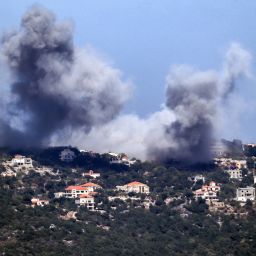
In a significant escalation of regional tensions, Israel has launched airstrikes in southern Lebanon, targeting sites believed to be linked to militant groups. This military action comes as the United States intensifies its diplomatic efforts to broker a ceasefire amid rising violence in the region, particularly following ongoing clashes between Israeli forces and Hamas in Gaza.
Escalating Hostilities
The Israeli strikes were reported to have hit several locations in southern Lebanon, including areas near the Lebanese border known for being strongholds of the Hezbollah militant group. Israeli officials stated that the attacks were a response to rocket fire from Lebanon into northern Israel, which has heightened fears of a broader conflict spilling over from the ongoing hostilities in Gaza.
“Our operations aim to protect our citizens and ensure that we respond decisively to any threats,” an Israeli military spokesperson said. “We will not tolerate attacks on our territory.”
The latest round of violence marks a troubling escalation in a conflict that has seen renewed intensity in recent weeks. Following the outbreak of hostilities in Gaza, tensions along the Israel-Lebanon border have also surged, with both sides exchanging fire and rhetoric.
U.S. Diplomatic Efforts
As the situation deteriorates, U.S. officials are actively seeking to de-escalate tensions. The Biden administration has been vocal in urging both Israel and Lebanon to exercise restraint and pursue diplomatic avenues to prevent further violence. U.S. Secretary of State Antony Blinken is reportedly in contact with leaders from both nations, advocating for an immediate ceasefire.
“The U.S. is deeply concerned about the escalation of violence in the region,” Blinken stated during a press briefing. “We urge all parties to stop the violence and engage in constructive dialogue to address the underlying issues.”
The American push for a ceasefire reflects broader concerns about the potential for a regional conflict involving multiple parties, including Hezbollah and other militant groups aligned with Iran. The U.S. has reiterated its commitment to Israel’s right to defend itself while also emphasizing the need to protect civilian lives and prevent further loss of life.
Regional Reactions
The airstrikes have drawn condemnation from Lebanese officials, who called the attacks a violation of sovereignty and an act of aggression. Hezbollah, which has a significant military presence in southern Lebanon, vowed to respond to Israeli attacks, raising fears of an escalation that could lead to a broader conflict in the region.
“This aggression will not go unanswered,” a Hezbollah spokesperson warned. “We are prepared to defend our land and our people against any Israeli aggression.”
Humanitarian Concerns
The ongoing violence raises serious humanitarian concerns, particularly for civilians caught in the crossfire. Aid organizations have expressed alarm over the deteriorating conditions in both Gaza and southern Lebanon, urging immediate action to alleviate suffering and protect vulnerable populations.
“We are witnessing a humanitarian crisis unfolding in real time,” a representative from the International Committee of the Red Cross stated. “It is imperative that all parties prioritize the safety and well-being of civilians and allow humanitarian access to those in need.”
Conclusion
As Israel strikes Lebanon amid a backdrop of escalating violence and regional tensions, the push for a ceasefire by the United States highlights the urgent need for diplomatic solutions. With fears of a wider conflict looming, the international community watches closely, hoping for a return to calm and a renewed commitment to dialogue. The path forward remains fraught with challenges, but the call for restraint and cooperation remains vital for achieving lasting peace in the region.