

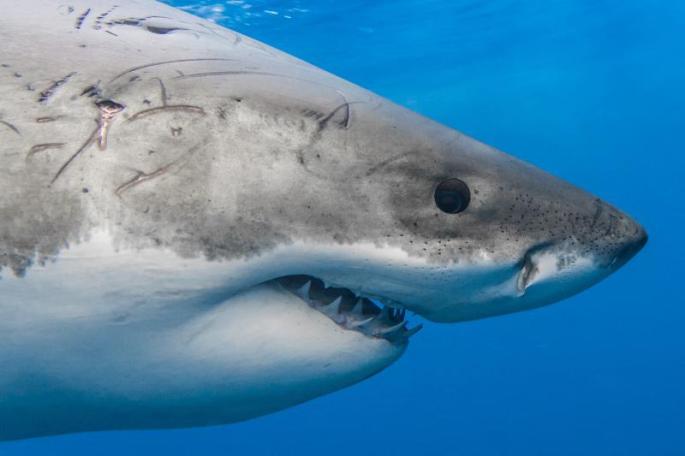
A German woman tragically lost her life after being attacked by a shark while swimming near the Canary Islands, a popular Spanish archipelago off the coast of northwestern Africa. The incident has shocked locals and tourists alike, as shark attacks are extremely rare in the region.
The woman, believed to be in her late 30s, was swimming off the coast of Fuerteventura, one of the larger Canary Islands, when the attack occurred. According to reports, she was in the water with other swimmers when the shark struck. Lifeguards and beachgoers responded quickly, pulling her from the water and administering first aid, but she succumbed to her injuries before paramedics arrived.
A Rare Incident
Shark attacks in the Canary Islands are uncommon, and this fatal attack has raised concerns about water safety in the region. While the Canary Islands are known for their mild climate and crystal-clear waters, making them a top destination for swimmers, surfers, and divers, shark sightings are infrequent.
The specific species of shark involved in the attack has not yet been confirmed. Authorities are conducting an investigation to identify the shark and assess the risk to other beachgoers. Marine biologists have been called in to monitor the waters near Fuerteventura for any unusual shark activity.
A spokesperson for the Canary Islands government expressed condolences to the family of the victim, saying, “This is a deeply tragic event, and our thoughts are with the family of the deceased. We are taking all necessary steps to ensure the safety of residents and visitors to the Canary Islands.”
Increased Precautions
Following the incident, authorities have temporarily closed several beaches on Fuerteventura and neighboring islands as a precautionary measure. Lifeguards are advising swimmers to stay close to the shore and avoid swimming in deep waters until further notice. The local government has also increased surveillance in the area, using drones and patrol boats to monitor the waters.
Tourism officials are working to reassure the public that this was an isolated incident, emphasizing that the Canary Islands have a strong track record of water safety. “This is a very unusual situation for our region, and we are doing everything we can to ensure the safety of all visitors,” said a representative of the Canary Islands Tourism Board.
Shark Attack Prevention
Shark experts have noted that while attacks are rare, there are some basic precautions swimmers and surfers can take to reduce the risk of an encounter. These include avoiding swimming at dawn or dusk when sharks are most active, staying out of the water if there are signs of fish feeding nearby, and refraining from wearing shiny jewelry that could attract sharks.
The Canary Islands’ marine ecosystem supports a wide variety of marine life, including dolphins, whales, and a small number of shark species. While the waters are generally considered safe, experts stress that swimmers should remain vigilant and follow local guidance when entering the ocean.
Looking Ahead
This fatal shark attack has shocked both locals and the international community, raising questions about marine safety in the Canary Islands. Although shark attacks are rare, the incident has prompted authorities to review safety protocols and increase monitoring of the waters around the islands.
Tourism remains a vital part of the Canary Islands’ economy, and officials are keen to ensure that the region continues to be a safe destination for travelers.