

Chaos Unfolds: World on Edge
Introduction
Ever feel like you’re watching a movie where the plot thickens faster than you can keep up? Headlines scream about economic instability, geopolitical tensions, and environmental disasters. It’s not just news anymore; it’s a palpable sense of unease hanging in the air. The world feels like it’s teetering on the edge, and honestly, it’s hard to ignore. But what’s really going on, and more importantly, what can we do about it? Let’s dive into this swirling chaos, break it down, and find some solid ground.
A Perfect Storm: Unpacking the Issues
We’re not facing a single crisis; it’s a convergence of problems, each feeding into the others. Think of it like a complex ecosystem – disrupting one element can have ripple effects throughout the entire system.
- Economic Turbulence: Inflation is squeezing wallets, supply chains remain fragile, and whispers of recession are growing louder. Global trade is facing headwinds from protectionist policies and geopolitical instability, leading to uncertainty in markets worldwide.
- Geopolitical Flashpoints: Conflicts and tensions are flaring up in various regions, threatening international stability. These conflicts disrupt trade, displace populations, and increase the risk of wider confrontations.
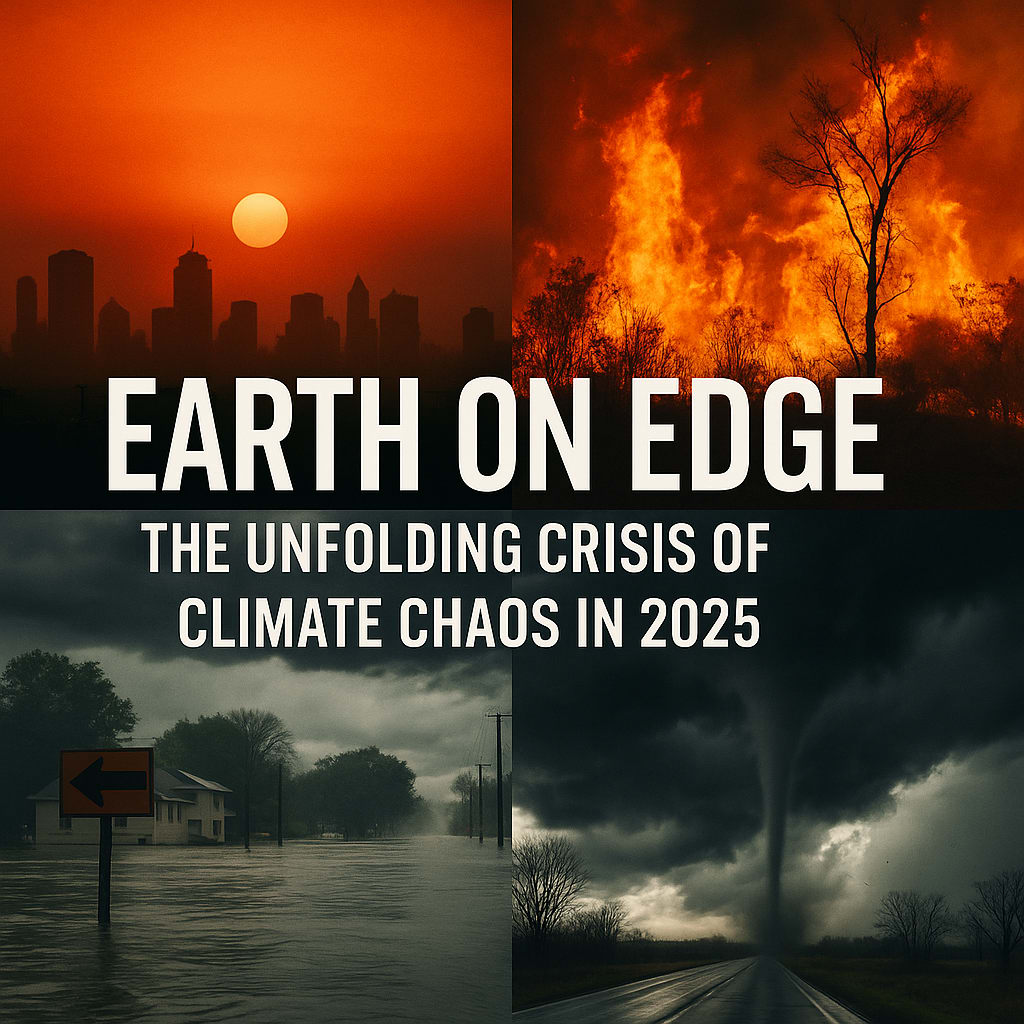
- Environmental Emergency: Climate change is no longer a distant threat; it’s a present reality. Extreme weather events, rising sea levels, and resource scarcity are putting immense pressure on communities and ecosystems.
- Social Disconnect: Polarization and social unrest are on the rise in many countries. The spread of misinformation and echo chambers online is exacerbating these divisions, making it harder to find common ground and address shared challenges.
Short-Term Pain, Long-Term Consequences
The immediate impacts of this global instability are already being felt. Rising prices are making it harder for families to afford basic necessities. Supply chain disruptions are causing shortages of goods. Political tensions are creating uncertainty and anxiety. But what about the long term?
- Erosion of Trust: Constant crises erode public trust in institutions and leaders. This can lead to political instability, social unrest, and a decline in civic engagement.
- Exacerbated Inequality: Economic shocks tend to hit the most vulnerable populations the hardest. This can widen the gap between the rich and the poor, leading to further social divisions.
- Environmental Degradation: Climate change will continue to intensify, leading to more frequent and severe natural disasters. This will displace populations, damage infrastructure, and threaten food security.
- Geopolitical Instability: Conflicts and tensions could escalate, leading to wider wars and humanitarian crises. This would have devastating consequences for global stability and security.
Finding Solid Ground: Practical Solutions for a Wobbly World
Okay, enough doom and gloom. The good news is that even in the midst of chaos, there are steps we can take to mitigate the risks and build a more resilient future. Here are some practical solutions, broken down into different areas:
1. Strengthening Economic Resilience:
- Diversify Supply Chains: Don’t put all your eggs in one basket. Businesses and governments should work to diversify supply chains, reducing dependence on any single source.
- Example: During the pandemic, many companies realized their reliance on China for key components. Some are now exploring alternative suppliers in Southeast Asia and Latin America.
- Invest in Renewable Energy: Transitioning to renewable energy sources can reduce dependence on volatile fossil fuel markets and create new economic opportunities.
- Case Study: Germany’s Energiewende policy, while facing challenges, demonstrates the potential of a large-scale shift to renewable energy.
- Promote Financial Inclusion: Expand access to financial services for underserved populations, helping them build savings, access credit, and manage risks.
2. Navigating Geopolitical Tensions:
- Diplomacy and Dialogue: Prioritize diplomacy and dialogue as a means of resolving conflicts. Invest in conflict resolution mechanisms and promote international cooperation.
- Strengthen International Institutions: Support and reform international institutions like the United Nations, making them more effective at addressing global challenges.
- Example: The UN’s peacekeeping operations, while not always successful, play a vital role in preventing and managing conflicts.
- Promote Human Rights and Democracy: Support human rights and democratic values around the world. This can help prevent conflicts and promote stability.
3. Addressing the Climate Crisis:
- Invest in Climate Adaptation: Prepare for the impacts of climate change by investing in infrastructure that can withstand extreme weather events.
- Reduce Greenhouse Gas Emissions: Implement policies that reduce greenhouse gas emissions, such as carbon pricing and renewable energy mandates.
- Case Study: The European Union’s Emissions Trading System (ETS) is a market-based approach to reducing greenhouse gas emissions.
- Support Sustainable Agriculture: Promote sustainable farming practices that reduce environmental impacts and improve food security.
4. Fostering Social Cohesion:
- Combat Misinformation: Actively combat the spread of misinformation and promote media literacy.
- Bridge Divides: Create opportunities for people from different backgrounds to connect and build relationships.
- Invest in Education: Education is key to promoting critical thinking, understanding, and empathy.
Your Role in a World on Edge
Feeling overwhelmed? Don’t be. Even small actions can make a difference. Here are some things you can do:
- Stay Informed: Read credible news sources and be critical of the information you consume online.
- Get Involved: Support organizations working to address global challenges.
- Make Sustainable Choices: Reduce your carbon footprint by making conscious choices about your consumption.
- Engage in Dialogue: Talk to people with different perspectives and try to understand their viewpoints.
- Advocate for Change: Contact your elected officials and let them know what issues are important to you.
From Chaos to Opportunity: A Call to Action
The world is indeed on edge, facing complex and interconnected challenges. But chaos also presents opportunities. By working together, embracing innovative solutions, and fostering a sense of shared responsibility, we can navigate these turbulent times and build a more resilient, equitable, and sustainable future. It won’t be easy, but it is possible. The time to act is now. Let’s turn this sense of unease into a catalyst for positive change. The world needs our collective effort to push it back from the edge, and towards a brighter horizon. It starts with understanding, followed by action, driven by hope.