

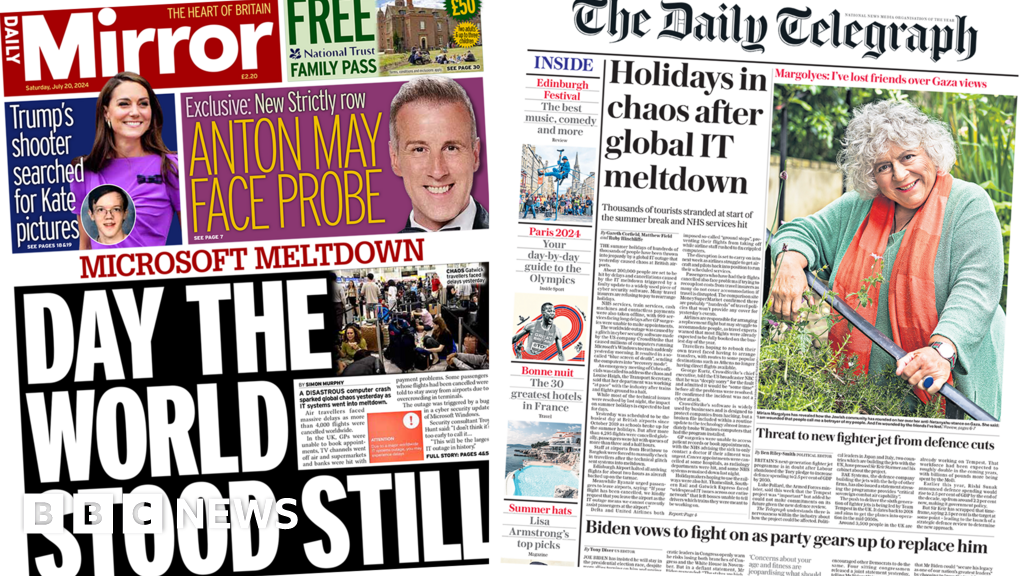
Chaos Continues: The World Headlines You Can’t Ignore
Introduction
Okay, let’s be real. Turning on the news these days feels like stepping into a pressure cooker. From economic uncertainty to political instability, and let’s not even get started on the climate crisis, it’s easy to feel overwhelmed. Headlines scream about impending doom, and it’s tempting to just bury your head in the sand and hope it all blows over. But ignoring these issues isn’t an option, not if we want to build a better future for ourselves and generations to come. So, let’s ditch the doom-scrolling for a bit and dive into the chaos, figure out what’s really going on, and, most importantly, what we can actually do about it.
This isn’t about sugarcoating reality – things are challenging. But understanding the core issues, their short-term jolts, and long-term reverberations is the first step towards navigating these turbulent times. Let’s break down a few key areas that are constantly making headlines:
Explanation of the Problem
The Economic Tightrope Walk:
We’re all feeling the pinch. Inflation is still stubbornly high in many parts of the world, making everyday essentials more expensive. Supply chain disruptions, remnants of the pandemic, continue to play havoc, and rising interest rates are squeezing businesses and consumers alike.
- Short-term Impacts: Higher grocery bills, increased mortgage payments, and a general sense of financial insecurity are the immediate realities. Businesses are struggling with rising costs and potentially facing layoffs.
- Long-term Impacts: If left unchecked, prolonged inflation can erode purchasing power, leading to decreased consumer spending and a potential recession. Rising interest rates can stifle investment, hindering economic growth and innovation. The gap between the wealthy and the working class widens, creating social unrest.
The Climate Crisis: More Than Just Hot Air:
Heatwaves, floods, wildfires – the extreme weather events are no longer distant warnings; they’re here and happening with increasing frequency and intensity. The science is clear: human activity is driving climate change, and the consequences are devastating.
- Short-term Impacts: Displacement due to extreme weather events, damage to infrastructure, food shortages due to crop failures, and increased health risks associated with heatwaves and air pollution.
- Long-term Impacts: Rising sea levels threatening coastal communities, irreversible damage to ecosystems, mass migrations, and potential conflicts over dwindling resources. The economic costs associated with climate change are staggering, impacting everything from agriculture to tourism.
Political Polarization: The Great Divide:
Globally, we’re seeing increasing political polarization, with societies fractured along ideological lines. This makes it incredibly difficult to address pressing issues, as consensus and compromise become increasingly elusive.
- Short-term Impacts: Gridlock in government, difficulty passing meaningful legislation, increased social division, and erosion of trust in institutions.
- Long-term Impacts: Instability, increased social unrest, and even the potential for violence. Polarization can also undermine democratic processes and make it harder to tackle complex challenges like climate change and economic inequality.
Solutions That Stick
The scale of these problems can feel TITANSLOT88 paralyzing. But feeling powerless is the first step to inaction. The good news is, there are concrete steps we can take, both individually and collectively, to mitigate these challenges. Here are a few practical approaches:
Tackling Economic Uncertainty:
- Personal Level:
- Financial Literacy: Understand your budget, track your spending, and identify areas where you can cut back. Many free resources are available online and through community organizations.
- Debt Management: Create a plan to pay down high-interest debt, such as credit cards. Consider consolidating your debt or seeking help from a financial advisor.
- Diversify Income Streams: Explore opportunities to supplement your income, such as freelance work or part-time jobs.
- Collective Level:
- Support Local Businesses: Investing in your local economy helps create jobs and strengthens communities.
- Advocate for Policies: Support policies that promote fair wages, affordable housing, and access to education and healthcare.
Combating Climate Change:
- Personal Level:
- Reduce Your Carbon Footprint: Make small changes in your daily life, such as using public transportation, reducing meat consumption, and conserving energy.
- Support Sustainable Products: Choose products made from recycled materials and that are ethically sourced.
- Educate Yourself: Stay informed about climate change and its impacts.
- Collective Level:
- Support Renewable Energy: Invest in renewable energy sources, such as solar and wind power.
- Advocate for Climate Action: Contact your elected officials and urge them to support policies that address climate change.
- Participate in Community Initiatives: Join local organizations that are working to promote sustainability and environmental protection.
Bridging the Political Divide:
- Personal Level:
- Engage in Respectful Dialogue: Listen to different perspectives and try to understand where others are coming from.
- Seek Out Diverse Sources of Information: Avoid echo chambers and expose yourself to a variety of viewpoints.
- Practice Empathy: Try to see the world through the eyes of others.
- Collective Level:
- Support Organizations That Promote Dialogue: There are many organizations working to bridge the political divide and foster understanding.
- Engage in Civic Engagement: Participate in local government and advocate for policies that promote common ground.
- Focus on Shared Values: Identify the values that unite us, rather than focusing on our differences.
Examples in Action:
- Financial Literacy Programs: Organizations like the National Foundation for Credit Counseling offer free or low-cost financial literacy programs that can help individuals manage their finances and make informed decisions.
- Community Solar Projects: Many communities are developing solar projects that allow residents to invest in renewable energy and reduce their carbon footprint.
- Dialogue Initiatives: Organizations like Braver Angels bring people with different political views together to engage in respectful dialogue and build understanding.
Alternative Approaches:
- Focus on Local Solutions: Instead of feeling overwhelmed by global issues, focus on what you can do in your own community.
- Support Socially Responsible Businesses: Choose to support businesses that are committed to ethical and sustainable practices.
- Embrace Minimalism: Reducing your consumption can help you save money and reduce your environmental impact.
Conclusion
The headlines might scream chaos, but within that chaos lies opportunity. Opportunity to rebuild, to innovate, and to create a more resilient and equitable world. We’re not powerless bystanders; we are active participants in shaping the future.
This isn’t a sprint; it’s a marathon. It’s about making small, consistent changes in our lives and advocating for larger systemic changes. It’s about staying informed, staying engaged, and staying hopeful.
So, take a deep breath, pick one area where you feel you can make a difference, and start there. Talk to your neighbors, connect with local organizations, and let your voice be heard.
The world needs your optimism, your energy, and your commitment. Let’s turn the tide together, one headline at a time. The future isn’t something that happens to us; it’s something we create. And we have the power to create a brighter one.