

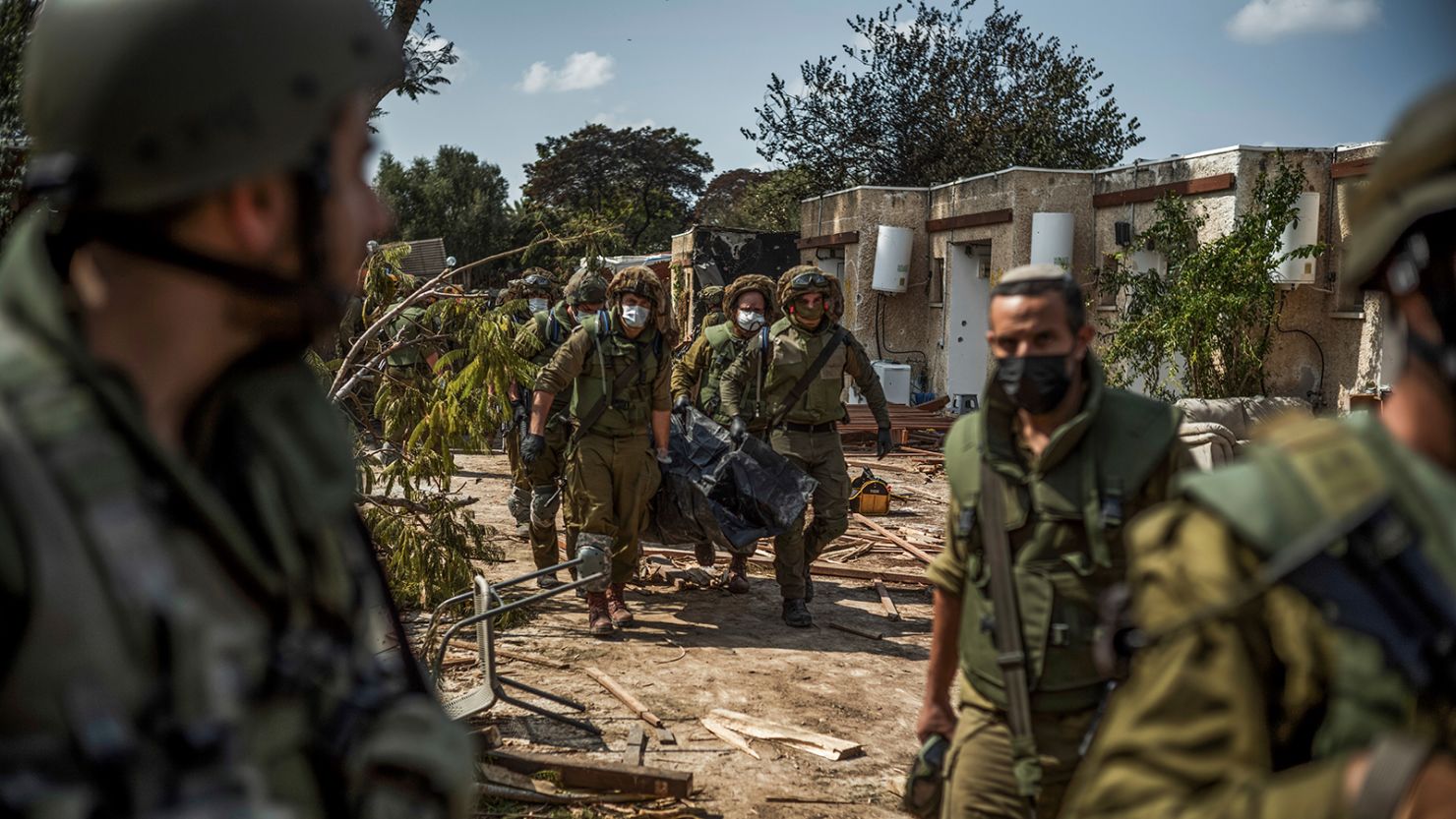
A year after the tumultuous events of October 7, 2023, the Middle East finds itself in the throes of its most significant upheaval in over fifty years. The repercussions of that fateful day have rippled across the region, reshaping political landscapes, exacerbating conflicts, and igniting new tensions that have left millions grappling with uncertainty and fear.
Recap of the Events of October 7
On October 7, 2023, a series of coordinated attacks occurred in Israel, leading to widespread violence and chaos. The attacks were launched by Hamas, the militant group based in the Gaza Strip, and were met with a fierce response from the Israeli military. The subsequent escalation of conflict resulted in thousands of casualties, mass displacement, and a humanitarian crisis of unprecedented proportions.
This day marked a critical turning point not only for Israel and Palestine but also for the broader Middle East, as it reignited longstanding grievances and deep-seated tensions among various factions and nations in the region.
A Region in Turmoil
The aftermath of the October 7 events has seen a domino effect of unrest across the Middle East. Here are some key developments that have contributed to the current state of upheaval:
- Escalation of Violence: The conflict between Israel and Hamas has intensified, with both sides engaging in military operations that have led to significant loss of life. The violence has extended beyond Gaza, with clashes reported in the West Bank and increased tensions along the Israeli-Lebanese border with Hezbollah.
- Regional Reactions: Neighboring countries have found themselves drawn into the conflict, with governments grappling with the implications of the violence spilling over their borders. Countries like Jordan and Egypt, which have historically maintained peace treaties with Israel, are facing growing pressure from their populations to respond to the humanitarian crisis in Gaza and the West Bank.
- Shifts in Alliances: The events of October 7 have prompted shifts in regional alliances and diplomatic relations. Countries in the Gulf Cooperation Council (GCC) and beyond are reevaluating their stances on Israel, with some nations expressing solidarity with the Palestinian cause, leading to a reevaluation of the normalization agreements made in recent years.
- Humanitarian Crisis: The humanitarian situation in Gaza has reached a critical point, with international organizations warning of severe shortages of food, water, and medical supplies. The scale of displacement and suffering has drawn condemnation from various quarters, prompting calls for renewed efforts toward peace negotiations.
- International Implications: The conflict has garnered attention on the global stage, with world powers weighing in on the situation. The United States and European nations have called for de-escalation and humanitarian access, while countries like Iran have positioned themselves as supporters of the Palestinian cause, further complicating international relations in the region.
Hope Amidst Uncertainty
Despite the turmoil, there are glimmers of hope for resolution and stability. Peace activists and organizations continue to advocate for dialogue and negotiations, emphasizing the need for a comprehensive approach to address the underlying issues of the Israeli-Palestinian conflict.
Additionally, some nations in the region have expressed interest in facilitating discussions, seeking to mediate between conflicting parties and promote a sustainable peace process. The path forward remains fraught with challenges, but the desire for stability and coexistence persists among many who yearn for an end to the cycle of violence.
Conclusion
As the Middle East grapples with the aftermath of October 7, 2023, it stands at a crossroads. The events of that day have unleashed a wave of upheaval that has reshaped the region, leaving a complex tapestry of conflict, humanitarian crises, and shifting alliances in its wake.
Navigating this turbulent landscape will require collective efforts from local, regional, and international actors to address the root causes of unrest and work toward a peaceful resolution. While the challenges are immense, the enduring hope for a more stable and just future remains a powerful driving force in the ongoing pursuit of peace in the Middle East.