

Mauritius, an island nation in the Indian Ocean known for its beautiful beaches and thriving tourism industry, is facing a critical moment as it heads into national elections. The country’s political landscape has been dominated by debates surrounding the rising cost of living, which has become the focal point for voters across the country. With inflation, housing prices, and everyday expenses climbing, the election outcome could hinge on how effectively the political parties address the economic challenges facing the nation.
The election, which is expected to be closely contested, comes at a time when Mauritians are grappling with significant economic pressures. After weathering the global challenges brought about by the COVID-19 pandemic, the nation has experienced a slow recovery, but many households are still struggling to make ends meet. As voters head to the polls, the cost of living is a top concern that could shape the future of the island nation.
Economic Strain as the Primary Issue
Mauritius, long considered a success story in the region due to its stable economy and high standard of living, has seen a sharp rise in the cost of living over the past few years. The global economic slowdown, coupled with supply chain disruptions and inflationary pressures, has led to increased prices on essential goods and services, including food, fuel, and housing. For many Mauritians, wages have not kept pace with the rising costs, creating a sense of economic hardship that has spread across various segments of society.
In addition to inflation, the cost of housing has also surged, particularly in urban areas like Port Louis, the capital. Young people and first-time homebuyers have struggled to afford property, while rental prices have become increasingly unaffordable for low-income families. The pressures on the cost of living have led to widespread discontent, and many voters are demanding concrete solutions from political candidates.
A recent survey conducted by local news outlets found that nearly 70% of respondents cited the cost of living as their primary concern heading into the election. This focus on economic issues has forced political parties to rethink their platforms and develop policies that address the immediate financial struggles of the population.
The Political Landscape: Parties Take Aim at Economic Reforms
The two main political parties vying for control in the election, the ruling coalition led by the Alliance Lepep and the opposition, led by the Labour Party and its allies, have made the cost of living a central theme of their campaigns. Both sides have promised reforms aimed at alleviating the financial burden on Mauritians, but their approaches differ significantly.
The ruling Alliance Lepep, currently in power, has pointed to their record of economic growth and stability, claiming that the government has already implemented measures to mitigate the impact of rising costs. However, they have faced criticism for not doing enough to address wage stagnation and for failing to reduce the cost of housing and other basic needs. In response to the rising concerns over the cost of living, the government has promised to introduce targeted financial support for low-income households, including subsidies on essential goods and an increase in the minimum wage.
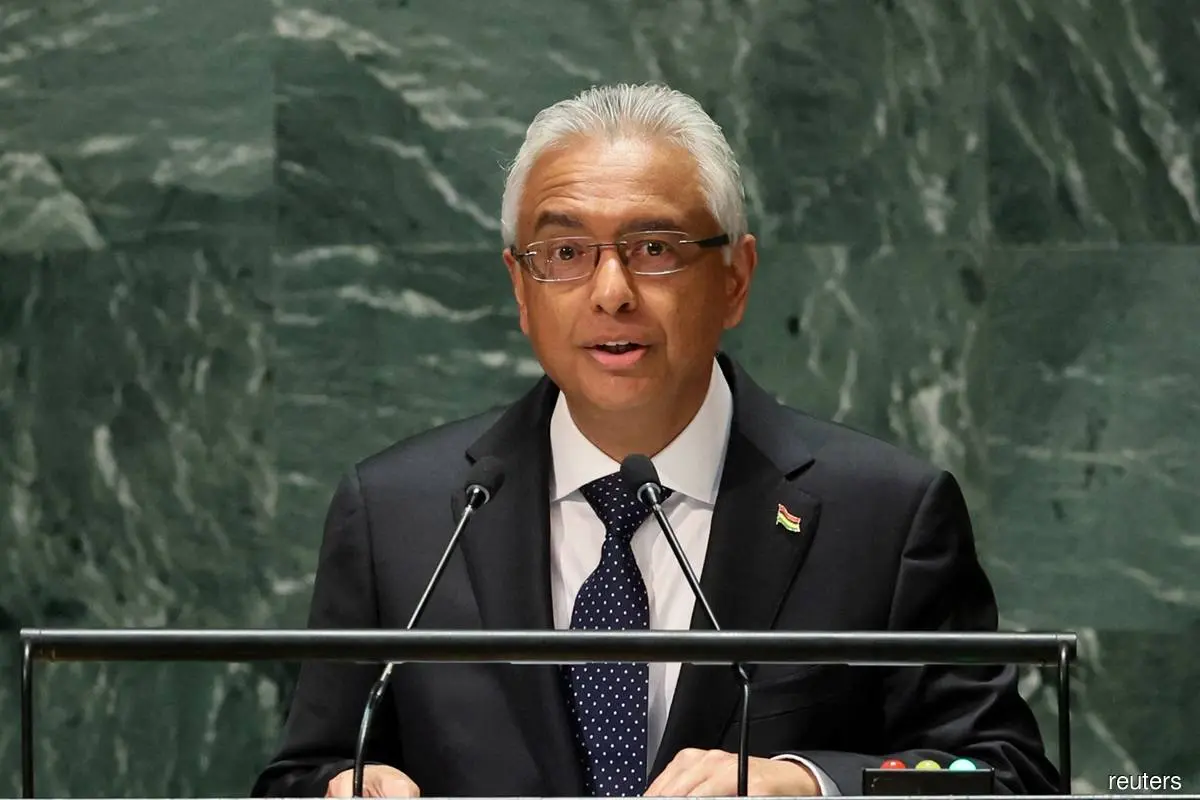
“We recognize the strain many Mauritians are facing. The government has taken steps to shield citizens from the worst impacts of inflation, but we must continue to invest in sustainable solutions to protect the most vulnerable,” said Pravind Jugnauth, the current Prime Minister and leader of the ruling party, in a campaign speech.
The opposition, on the other hand, has been more vocal in its criticism of the current government’s economic policies, accusing them of mismanagement and failing to curb the rising cost of living. The Labour Party and its allies have proposed a series of bold reforms, including introducing price controls on essential goods, lowering taxes for middle and lower-income earners, and increasing the availability of affordable housing. They have also emphasized the need for a national dialogue on how to better distribute the wealth generated by the country’s economic growth.
“We need a government that listens to the people. We will introduce policies that immediately address the needs of Mauritians—whether it’s affordable housing, reducing fuel prices, or supporting our most vulnerable communities,” said Navin Ramgoolam, the former Prime Minister and leader of the Labour Party.
Youth and Vulnerable Groups Demand Action
One of the key demographic groups that has been particularly vocal about the rising cost of living is the youth. With high youth unemployment and the difficulties of finding affordable housing, many young Mauritians feel disconnected from the political establishment. For many, the election is an opportunity to demand change and call for policies that will directly improve their prospects.
“Young people are the future of Mauritius, and we need policies that prioritize our needs. We are tired of hearing promises from politicians who fail to act. We need jobs, affordable housing, and a future where we don’t have to struggle just to survive,” said Sarah, a university student and youth activist.
In addition to the youth vote, vulnerable groups, such as pensioners, single parents, and low-income workers, are expected to play a pivotal role in the election. These groups are particularly concerned about the affordability of basic goods and services and are looking for concrete proposals that can ease their financial burdens. Both political sides have pledged to create social safety nets and improve public services for these groups.
The International Context: Mauritius’ Economic Recovery
Mauritius has been hit hard by the global economic crisis, as well as the disruption caused by the COVID-19 pandemic. The country’s key industries, including tourism and textiles, saw significant declines during the pandemic, and while recovery has begun, the road ahead is still challenging. The global economic outlook remains uncertain, and rising energy prices and inflation continue to affect both consumers and businesses.
The international community has closely watched Mauritius’ recovery, as the country has long been viewed as a model of stability in the region. However, the current economic situation has prompted calls for more structural reforms, particularly in the areas of public spending, taxation, and economic diversification. The election results will have a significant impact on the country’s ability to adapt to these global challenges and ensure long-term prosperity for its citizens.
Looking Ahead: A Crucial Election for Mauritius
As election day approaches, the issue of the cost of living is likely to dominate the political discourse. Both major parties have made clear that addressing the financial hardships facing Mauritians will be a priority, but voters remain skeptical about the effectiveness of their promises.
For many Mauritians, the election represents not just a political choice, but a chance to change the course of the country’s economic future. With the cost of living on everyone’s minds, the outcome of this election could have lasting consequences for the nation’s social and economic landscape. As the election campaign heats up, it is clear that whoever wins will need to deliver on their promises and tackle the pressing challenges facing the people of Mauritius.