

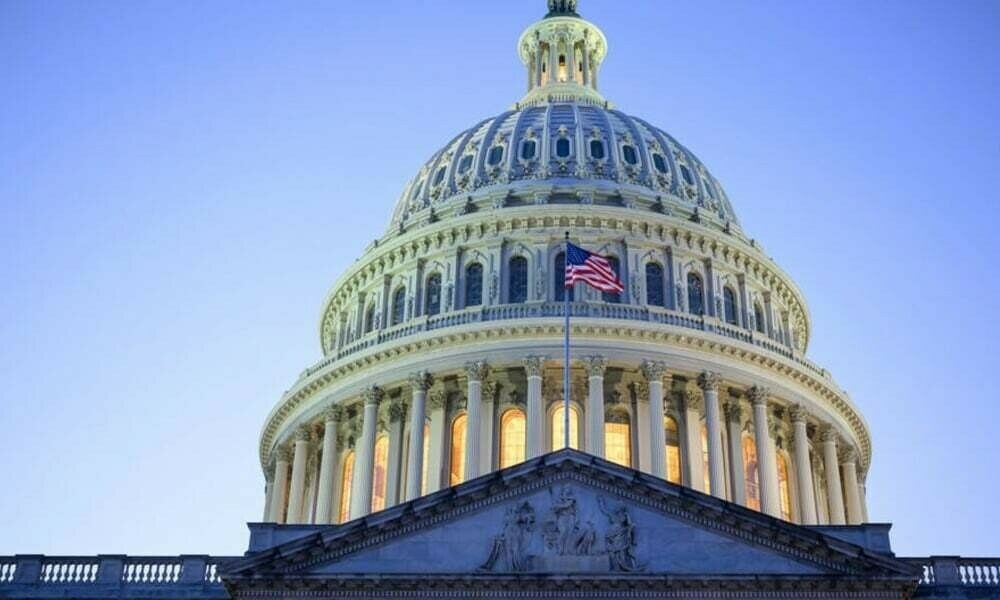
In a dramatic turn of events, the Republican Party is on the verge of securing full control of the U.S. House of Representatives after an unexpectedly strong performance in the 2024 midterm elections. Following their earlier success in clinching control of the U.S. Senate, Republicans have positioned themselves to exert significant influence over the legislative agenda in Washington, D.C. The shift in power marks a major victory for the GOP and sets the stage for a new political landscape in the coming years.
A Historic Midterm Election
The 2024 midterm elections have been widely seen as a referendum on the direction of the country, with major issues like inflation, crime, healthcare, and foreign policy at the forefront of voters’ minds. Republicans, fueled by dissatisfaction with the Democratic administration’s handling of the economy and social issues, have made substantial gains in key battleground states, securing a critical number of seats in the House of Representatives.
With these wins, Republicans now find themselves just a few seats away from a majority in the House, a crucial victory that would enable them to set the legislative agenda, challenge President Joe Biden’s administration, and push forward key conservative policies on issues such as tax reform, border security, and healthcare.
Republican Gains in the Senate
While Republicans have historically struggled to secure dominance in both chambers of Congress, their performance in the Senate has been a major talking point in 2024. Republicans managed to flip several key Senate seats, defeating Democratic incumbents in states that had once been considered safe blue territories. These victories were driven by a combination of factors, including rising discontent with the incumbent president, local economic challenges, and a strong push for law and order policies in traditionally Democratic strongholds.
The Senate win, combined with their strong House performance, positions the GOP to take a dominant role in shaping the federal legislative agenda over the next two years, just as the 2024 presidential election approaches.
What House Control Means for Republicans
With control of the House, Republicans will gain significant leverage over national policy. The House of Representatives is responsible for drafting and passing bills related to spending, taxation, and the national budget. It is also a key player in impeachment proceedings and has the power to conduct oversight investigations into the executive branch, making it a powerful tool for the GOP to hold the Biden administration accountable.
Some of the most immediate impacts of Republican control of the House could include:
- Budgetary Control: Republicans could use their control over the House to demand deep cuts to federal spending, particularly in areas like social programs, climate change initiatives, and healthcare reform. They may also push to rein in deficit spending and limit the expansion of government programs that were enacted under Democratic leadership.
- Investigations into the Biden Administration: Republican lawmakers have already signaled that they will use their newfound power to launch investigations into several aspects of the Biden administration’s handling of foreign policy, the COVID-19 pandemic response, and the administration’s economic policies. There is also speculation that Republicans may push for an impeachment inquiry into President Biden over issues related to foreign business dealings and allegations of corruption.
- Immigration and Border Security: Republicans have long championed stricter border security measures, and with control of the House, they are expected to take up legislation aimed at curbing illegal immigration. This could include measures to fund border wall construction, bolster border enforcement agencies like ICE, and limit asylum applications.
- Tax Reform and Healthcare: Republicans are likely to push for comprehensive tax cuts aimed at stimulating economic growth, while also attempting to repeal or scale back parts of the Affordable Care Act (Obamacare). These efforts will be a major point of contention between the GOP and the Democrats, particularly if the Biden administration seeks to protect its healthcare reforms.
Challenges Ahead for the GOP
While Republicans stand on the cusp of a major political victory, they will face several challenges as they assume control of the House. Internal divisions within the GOP, particularly between the moderate and hard-right factions, could present significant obstacles to passing legislation. The Freedom Caucus, a powerful conservative bloc in the House, has been known to push for more aggressive policies, particularly on issues like immigration and fiscal conservatism.
Additionally, the Senate, where the GOP is likely to have a narrow majority, may pose another hurdle. With a Democratic-controlled White House, Republicans will need to find ways to work with moderates from both parties to advance key legislation. Given the likely partisan gridlock, getting bills passed through both chambers could prove to be a difficult task.
In addition, the GOP will have to be careful not to alienate independent voters and moderate Republicans, especially if they lean too far to the right on contentious issues. The risk of becoming too ideologically divided could cost Republicans key swing seats in future elections.
Implications for the 2024 Presidential Election
The Republican victories in the House and Senate come at a critical time, as the 2024 presidential election draws near. Control of Congress will give Republicans a strong bargaining position in their campaigns, providing them with a platform to launch their policies and criticisms of the Biden administration. For former President Donald Trump or other potential Republican candidates, these gains could be seen as a mandate to pursue a more aggressive conservative agenda if they win the presidency in 2024.
However, the presidential race itself is likely to be a highly contested and unpredictable battle, especially with President Biden facing growing challenges related to his approval ratings, inflation, and the handling of key domestic issues. How the GOP decides to leverage its control of Congress in the run-up to the election will be crucial in shaping the political dynamics of the coming year.
Conclusion: A New Era for U.S. Politics
With Republicans now on the brink of securing full control of the U.S. House of Representatives, the landscape of American politics is poised to shift. A Republican-controlled House will bring a new level of influence to the GOP, allowing them to challenge the current administration on a host of key issues, from fiscal policy to immigration to healthcare.
However, with great power comes great responsibility, and the GOP will have to navigate internal divisions, partisan opposition, and the unpredictable nature of the upcoming presidential election. As the nation looks ahead to 2024, the balance of power in Washington will undoubtedly play a major role in shaping the country’s future. The road ahead for the Republican Party is fraught with both opportunity and challenges, but they are now in a strong position to make their mark on U.S. politics for years to come.