

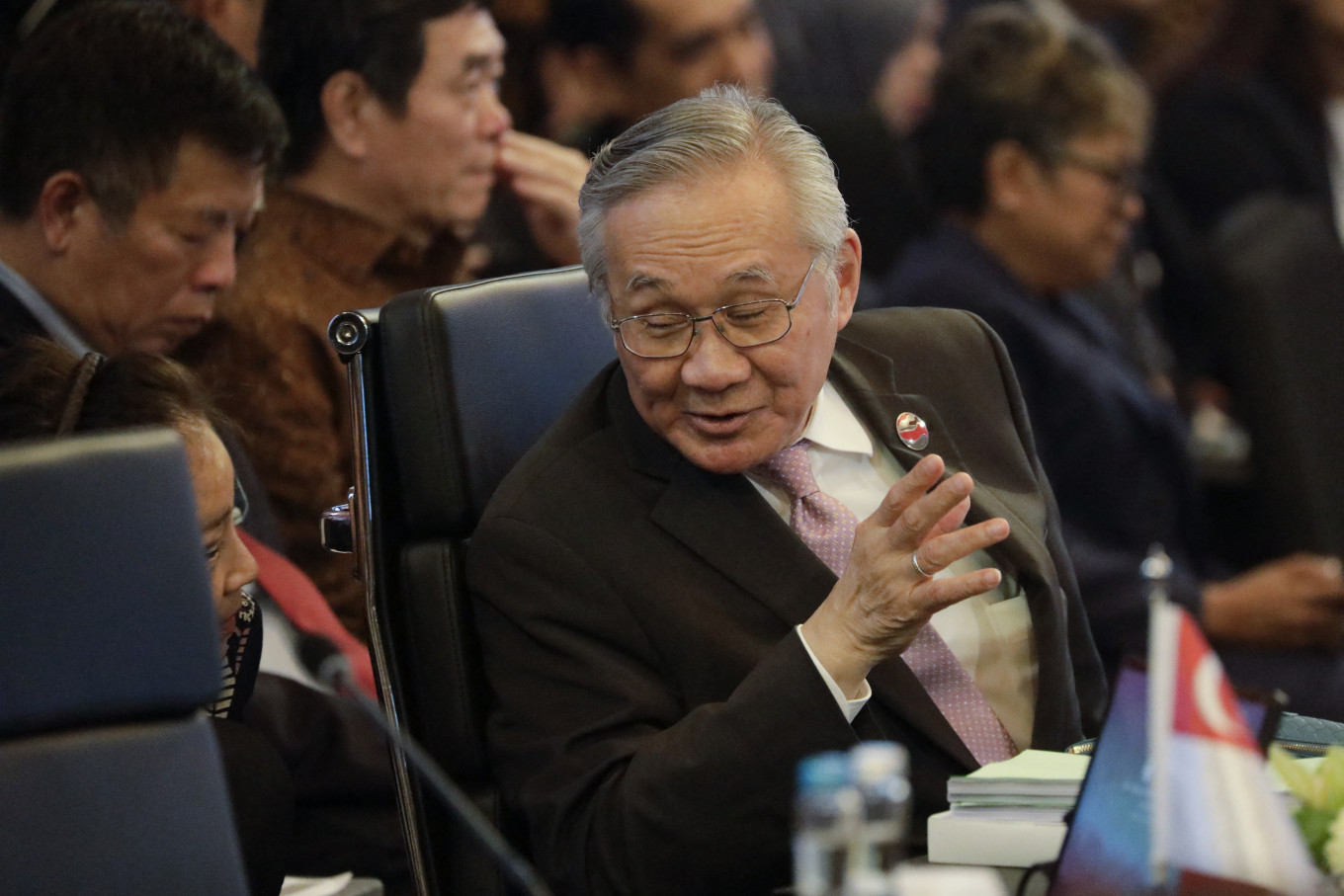
In a diplomatic development that has raised eyebrows, Thai Prime Minister Prayut Chan-o-cha met with Myanmar’s military junta leader, General Min Aung Hlaing, on the sidelines of a regional summit in China. The meeting, which took place at the China-ASEAN Summit, marks a significant moment in Thailand’s foreign policy and its relationship with Myanmar’s military regime, following the 2021 coup that ousted Myanmar’s elected government.
The summit, held in Beijing, brought together leaders and officials from Southeast Asia, including representatives from the Association of Southeast Asian Nations (ASEAN), China, and other regional powers. While the main focus of the gathering was on economic cooperation and regional security issues, the encounter between Prayut and Min Aung Hlaing has drawn attention due to the ongoing international condemnation of Myanmar’s military regime and the country’s violent crackdown on pro-democracy activists.
The Context of the Meeting
Myanmar has been in political turmoil since the military coup on February 1, 2021, which ousted the democratically elected government of Aung San Suu Kyi. The coup sparked widespread protests and a brutal crackdown by the military, resulting in thousands of deaths and widespread human rights abuses. Despite international pressure and sanctions, the junta has remained in power, with little indication of a return to civilian rule.
In response to the coup, ASEAN, which includes Myanmar as a member, initially took a unified stance in calling for a peaceful resolution. ASEAN has since struggled to maintain cohesion on the issue, with some member states, such as Thailand, taking a more conciliatory approach toward Myanmar’s military regime, while others, like Indonesia and Malaysia, have pushed for stronger measures.
Thailand, which shares a long border with Myanmar, has faced increasing international scrutiny for its handling of the crisis. While Thailand condemned the violence and human rights abuses in Myanmar, it has avoided taking any direct action against the junta. Instead, the Thai government has emphasized dialogue and engagement as the path to resolving the crisis, a stance that has led to criticism from human rights groups and the international community.
A Controversial Diplomatic Approach
The meeting between Prayut and Min Aung Hlaing, although not officially announced before the summit, has raised concerns among Myanmar’s pro-democracy supporters and international observers. Critics argue that by engaging with the junta leader, Thailand is lending legitimacy to a regime that has been widely condemned for its violent repression of opposition groups and its refusal to engage in meaningful dialogue with pro-democracy forces.
“The Thai government’s decision to meet with Min Aung Hlaing sends the wrong message,” said James Gomez, regional director for Amnesty International. “It signals that Thailand is willing to engage with a regime that has shown utter disregard for human rights and democratic principles. The people of Myanmar deserve support, not tacit approval.”
Thailand, however, maintains that dialogue is the best way to influence Myanmar’s military leaders and encourage a peaceful resolution to the crisis. Thai officials have repeatedly called for ASEAN to play a more active role in mediating between the junta and Myanmar’s opposition groups, but they have been cautious about openly criticizing Myanmar’s leadership.
Prime Minister Prayut has defended his decision to engage with Min Aung Hlaing, stating that the meeting was an opportunity to encourage dialogue and stability in Myanmar and the region. “Thailand has always supported a peaceful and negotiated solution to the situation in Myanmar,” Prayut said. “We are committed to helping bring about a peaceful resolution, and dialogue is the first step.”
Diplomatic Reactions and Regional Dynamics
The meeting between the two leaders has prompted mixed reactions across the region and internationally. ASEAN as a whole has taken a somewhat muted response to the ongoing crisis in Myanmar, with some members advocating for sanctions and others, like Thailand, calling for diplomatic engagement. The regional bloc’s failure to take decisive action has been widely criticized for its lack of unity and effectiveness in addressing the crisis.
Neighboring countries, particularly those with strong economic ties to Myanmar, have also been cautious in their response. China, which shares a border with Myanmar, has maintained close relations with the military junta, offering political support and economic assistance. China’s position has been one of non-interference, emphasizing its commitment to stability in Myanmar and the wider Southeast Asian region.
Thailand’s diplomatic approach, which prioritizes stability and dialogue, mirrors China’s stance. As a major regional player, Thailand is keen to avoid further destabilization along its border with Myanmar and protect its economic and security interests in the region.
However, this approach has led to tensions with countries like the United States, the European Union, and various human rights organizations, all of which have called for stronger international pressure on Myanmar’s military regime. Critics argue that Thailand’s stance enables the junta to maintain power without facing significant consequences, effectively allowing the military regime to continue its brutal crackdown on dissent.
A Complex Regional Issue
Myanmar’s political crisis has become one of the most pressing issues for Southeast Asia in recent years. The situation is further complicated by the involvement of various regional powers, each with their own interests and approaches to the crisis. China’s support for the junta, Thailand’s emphasis on dialogue, and the stance of other ASEAN members all contribute to a fragmented and ineffective regional response.
For Thailand, the challenge lies in balancing its regional and economic interests with international pressure for a more assertive stance on human rights. The country’s close economic and political ties to Myanmar make it a key player in any potential resolution to the crisis, but its position has put it at odds with pro-democracy activists and the international community.
Prayut’s meeting with Min Aung Hlaing is a reflection of Thailand’s delicate position in Southeast Asia, where it must navigate between regional interests, economic considerations, and the growing calls for a more robust human rights policy. While Thailand continues to advocate for peace and stability in Myanmar, the ongoing conflict and repression will likely remain a major point of contention in its foreign policy.
Conclusion
The meeting between Thai Prime Minister Prayut Chan-o-cha and Myanmar’s military leader, General Min Aung Hlaing, on the sidelines of the China-ASEAN Summit reflects the complexities of the Myanmar crisis and Thailand’s diplomatic approach. While the Thai government insists that dialogue is the best way forward, critics argue that such engagement with the junta leader undermines efforts to hold Myanmar’s military regime accountable for its actions.
As the situation in Myanmar continues to deteriorate, Thailand’s position on the issue will remain closely scrutinized by the international community, pro-democracy activists, and neighboring countries. The effectiveness of ASEAN’s response, and Thailand’s role within the regional bloc, will play a key role in shaping the future of Myanmar’s political crisis and its broader implications for Southeast Asia.