

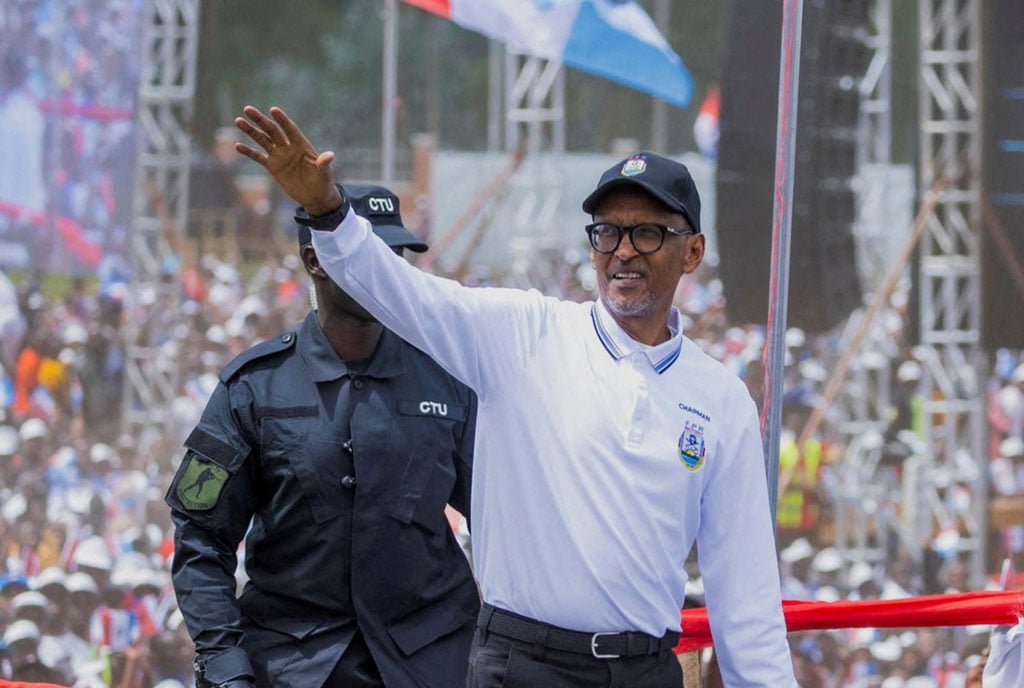
Rwandans Vote in Election Expected to Extend Kagame’s Rule
Rwandans are heading to the polls in a pivotal election widely expected to extend President Paul Kagame’s tenure. As the nation casts its ballots, all eyes are on the outcome, which could see Kagame, who has been in power since 2000, further solidify his leadership.
Paul Kagame has been a dominant figure in Rwandan politics for over two decades. Initially coming to power in the aftermath of the 1994 genocide, Kagame has been credited with bringing stability and economic growth to Rwanda. His leadership is marked by significant development strides, but it has also faced criticism for authoritarian practices and suppression of political opposition.
Election Process
The election process in Rwanda is tightly controlled, with Kagame’s party, the Rwandan Patriotic Front (RPF), holding a significant advantage. Opposition parties have struggled to gain traction, citing restrictions and intimidation. Despite these challenges, the election is proceeding, with Rwandans turning out in large numbers to participate in the democratic process.
Key Issues
The key issues in this election include economic development, healthcare, education, and security. Kagame’s administration has made notable improvements in these areas, which are central to his campaign platform. However, concerns about human rights and political freedom continue to be raised by both domestic and international observers.
International Perspective
The international community is closely watching the election. While Kagame has been praised for transforming Rwanda into a model of stability and economic progress, his governance style has drawn scrutiny. Organizations such as Human Rights Watch and Amnesty International have pointed to restrictions on free speech and political dissent.
Potential Outcomes
If Kagame secures another term, it will reinforce his long-standing rule and the policies that have defined his tenure. His supporters argue that continuity is essential for Rwanda’s ongoing progress, while critics fear further entrenchment of authoritarianism.
Public Sentiment
Public sentiment appears to be divided. Many Rwandans appreciate the tangible improvements in infrastructure and services under Kagame’s rule. However, there is also a significant portion of the population that desires greater political freedoms and a more open democratic process.
As Rwandans vote, the outcome is anticipated to shape the nation’s political landscape for years to come. The election is a critical moment for Rwanda, balancing between continued development under Kagame’s leadership and the aspirations for broader political reforms.
The world watches as Rwanda decides its future, with the implications of this election extending far beyond its borders.