

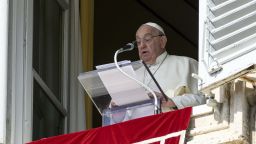
A recent report from Pope Francis’ commission on clerical abuse has revealed alarming shortcomings in the Catholic Church’s efforts to address sexual abuse allegations within its ranks. Despite years of advocacy and the establishment of protocols intended to safeguard the vulnerable and ensure accountability, the commission’s findings suggest that the Church continues to struggle in creating a culture that prioritizes the reporting and management of abuse claims.
A Call for Accountability
The commission, officially known as the Pontifical Commission for the Protection of Minors, was established by Pope Francis in 2014 to help address the Church’s ongoing sexual abuse crisis. In its latest assessment, the commission emphasizes that the Church must not only implement policies but also foster an environment that encourages victims and witnesses to come forward without fear of reprisal or dismissal.
Commission members pointed out that while some dioceses have made progress in implementing reporting protocols, many others lag significantly behind. This inconsistency creates a patchwork of responses that can leave victims without proper support or recourse. The report highlights that clerical abuse remains underreported, with many victims reluctant to step forward due to a lack of faith in the system and fear of stigma.
Systemic Failures and Cultural Barriers
The commission’s findings underscore systemic failures within the Church’s hierarchical structure that hinder effective reporting mechanisms. Many victims report a culture of silence and fear surrounding allegations of abuse, particularly in regions where the Church holds considerable social influence. The commission noted that some clergy members have not been adequately trained to handle allegations, and many dioceses lack clear guidelines for how to proceed when claims arise.
Moreover, the report addresses the need for better education and training on safeguarding measures among clergy and lay leaders. It emphasizes that effective action requires a comprehensive understanding of the impact of abuse on victims and the necessary steps to foster a supportive environment that prioritizes their well-being. Without this foundational change, the Church risks perpetuating an environment where abuse can occur without accountability.
Calls for Global Standards
In light of these findings, the commission is calling for the Vatican to establish global standards for the reporting and management of clerical abuse cases. These standards would include mandatory training for all clergy, comprehensive reporting protocols, and independent oversight to ensure that allegations are treated seriously and investigated thoroughly.
Pope Francis has previously acknowledged the Church’s failures in addressing abuse but has faced criticism for not taking stronger action. The commission’s report reinforces the idea that words must be matched by deeds, urging the Vatican to commit to substantial reforms that demonstrate a genuine commitment to protecting the vulnerable and addressing past wrongs.
Victims’ Voices: The Human Cost of Inaction
The report’s findings resonate deeply with survivors of clerical abuse, many of whom have long felt abandoned by the Church. Advocacy groups representing survivors have expressed frustration over the slow pace of reform, emphasizing that until real changes are made, the Church will continue to fail those it is meant to protect.
Survivors have shared their stories of trauma and betrayal, emphasizing that the lack of accountability for abusers has long-lasting effects not only on individual victims but also on communities and the Church’s moral authority. The commission’s report aims to amplify these voices, urging the Church to listen to and learn from those most affected by its past failures.
Moving Forward: The Path to Healing
In response to the commission’s findings, Church leaders have acknowledged the need for ongoing dialogue and reform. Some dioceses have begun to implement new measures aimed at improving reporting processes and supporting victims. However, the commission insists that these efforts must be standardized across the global Church to ensure consistency and accountability.
As the Catholic Church grapples with its legacy of abuse, the commission’s report serves as both a wake-up call and a roadmap for necessary change. It underscores the importance of transparency, accountability, and a commitment to the safety and well-being of all individuals, particularly the most vulnerable.
The road to healing for the Church is long, and genuine reform will require the courage to confront difficult truths and a commitment to safeguarding the dignity of every person. The commission’s urgent call for action serves as a crucial reminder that the Church must do more than merely acknowledge past mistakes; it must actively work to ensure that such failures never occur again.
Conclusion
Pope Francis’ commission on clerical abuse has shed light on the Catholic Church’s ongoing struggle to ensure that abuse is reported and addressed effectively. The call for global standards, comprehensive training, and a culture of accountability underscores the need for systemic reform within the Church. As it seeks to rebuild trust and restore its moral authority, the Church must listen to victims, prioritize their needs, and commit to lasting change that prioritizes safety and accountability above all else.