

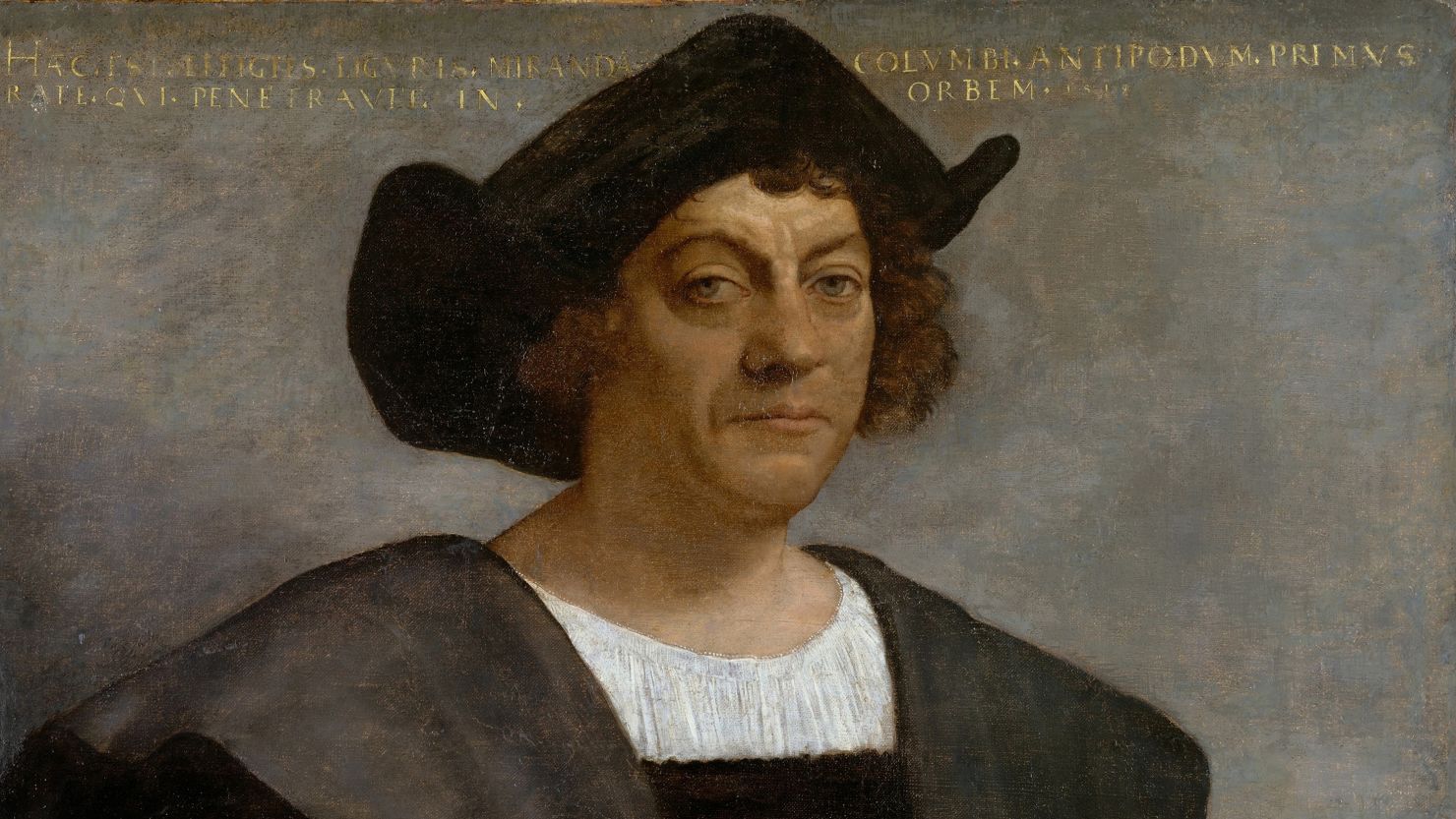
A groundbreaking study has shed new light on the centuries-old mystery surrounding the true origins of Christopher Columbus, the Italian explorer credited with discovering the Americas in 1492. For generations, historians and scholars have debated Columbus’s lineage, with various theories suggesting origins from different regions. Recent research has provided compelling evidence that may finally clarify this historical enigma, offering insights into the life of one of history’s most controversial figures.
The Legacy of Columbus
Christopher Columbus has long been a polarizing figure in history. Celebrated as a daring navigator who opened the New World to European exploration, his legacy is equally marred by the devastating consequences of colonization for Indigenous peoples. Understanding Columbus’s background is essential for contextualizing his actions and motivations during his voyages.
For years, speculation about Columbus’s origins has circulated, with theories suggesting he hailed from Genoa, Spain, or even Jewish ancestry. Despite the many hypotheses, definitive proof remained elusive, leading to ongoing debates among historians.
New Insights from Genetic Analysis
The recent study, conducted by a team of international researchers, utilized advanced genetic analysis techniques to examine Columbus’s lineage. The team analyzed DNA samples from potential relatives and compared them to historical records and genealogical data. This innovative approach aimed to uncover genetic markers that could point to Columbus’s true origins.
The findings of the study suggest that Columbus was likely born in Catalonia, a region in northeastern Spain. This conclusion is based on genetic similarities between Columbus’s descendants and individuals from the Catalan region. The research also found that Columbus had a distinct genetic profile that aligns with the population of Catalonia, further supporting this hypothesis.
Implications of the Findings
These revelations have profound implications for our understanding of Columbus and his motivations. If Columbus was indeed from Catalonia, it could provide context for his decisions and connections within Spanish society. Furthermore, the study sheds light on the diverse cultural influences that shaped his identity, including the possibility of connections to the Jewish community in Spain.
“The findings of this study help to piece together a more nuanced view of Columbus as a historical figure,” said Dr. Maria Elena Martinez, a historian involved in the research. “Understanding his origins may help us comprehend the complexities of his character and the choices he made during his voyages.”
Reactions from the Academic Community
The study has sparked considerable interest and discussion among historians, genealogists, and the general public. Many view this research as a crucial step toward demystifying Columbus’s legacy and providing a more accurate portrayal of his life.
“This study opens up a new avenue for exploration in Columbus’s biography,” noted Dr. David Reynolds, a prominent historian. “It challenges long-held assumptions and encourages us to reassess the impact of his actions on world history.”
The Continuing Debate
While the study provides significant insights into Columbus’s origins, it also underscores the ongoing complexity of his legacy. As discussions surrounding his life and voyages continue, scholars emphasize the need for a balanced perspective that acknowledges both the achievements and the consequences of his expeditions.
“Columbus’s story is not just about exploration; it’s also about the profound effects of colonization,” said Dr. Martinez. “As we learn more about his origins, it’s essential to recognize the broader historical context and the narratives of Indigenous peoples who were affected by his actions.”
Conclusion
The revelation of Christopher Columbus’s likely origins in Catalonia adds a new layer of understanding to a figure long shrouded in mystery. As researchers continue to unravel the complexities of his life, this study serves as a reminder of the importance of examining history through multiple lenses. By exploring the nuances of Columbus’s identity and heritage, we can better appreciate the intricate tapestry of human history and the lasting impact of exploration and colonization on our world. As the dialogue surrounding Columbus evolves, it is essential to continue to engage with the historical narratives that shape our understanding of the past.