

Widespread Sexual Violence Against Women and Girls in Sudan
Sudan, a country plagued by decades of conflict and instability, is facing a grave crisis that has garnered international attention: the widespread sexual violence against women and girls. This pervasive issue is rooted in the complex interplay of socio-political factors, cultural norms, and ongoing conflicts. This article explores the extent, causes, and impact of sexual violence in Sudan, along with the efforts being made to address this human rights crisis.
The Extent of Sexual Violence
Sexual violence in Sudan has been a longstanding issue, exacerbated by the country’s political turmoil and armed conflicts. Women and girls are subjected to various forms of sexual violence, including rape, sexual slavery, and forced marriage. Key areas of concern include:
- Conflict Zones: Regions such as Darfur, South Kordofan, and the Blue Nile have witnessed severe levels of sexual violence, often used as a weapon of war. Militias and armed groups target women and girls to instill fear and exert control over communities.
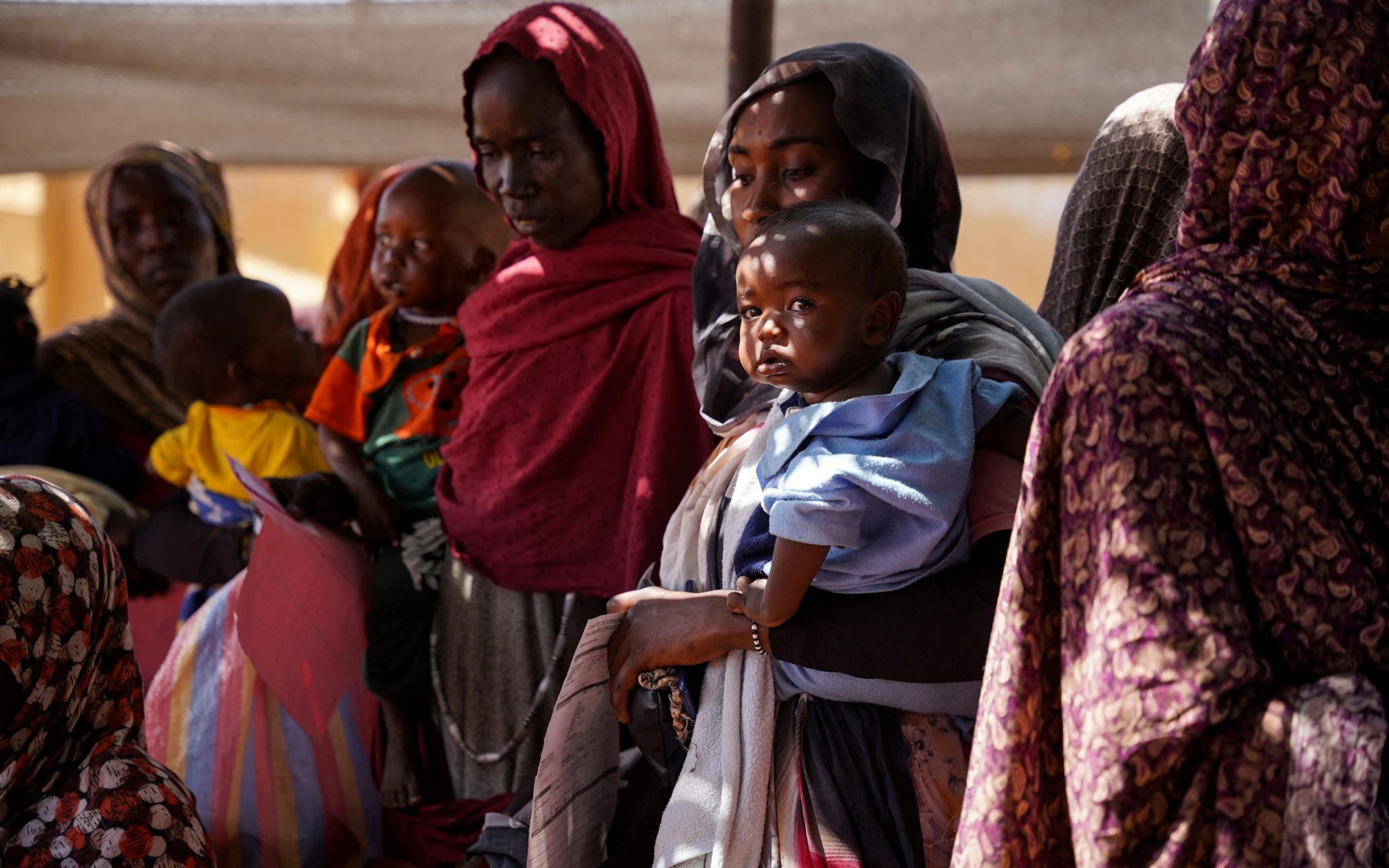
- Displacement Camps: Internally displaced persons (IDP) camps and refugee camps are hotspots for sexual violence. Overcrowded and under-resourced, these camps provide little protection for women and girls, who are vulnerable to exploitation and abuse.
- Urban and Rural Areas: Beyond conflict zones, sexual violence is prevalent in both urban and rural settings. Cultural practices, patriarchal norms, and weak legal frameworks contribute to the persistence of this issue.
Causes of Sexual Violence
Several factors contribute to the widespread sexual violence against women and girls in Sudan:
- Armed Conflicts: Prolonged conflicts have created an environment of lawlessness and impunity, where perpetrators of sexual violence often go unpunished. Sexual violence is used strategically to terrorize and displace populations.
- Patriarchal Norms: Deeply entrenched patriarchal norms and gender inequalities perpetuate violence against women. Traditional customs and societal expectations often blame victims rather than holding perpetrators accountable.
- Weak Legal Frameworks: Sudan’s legal system has historically lacked robust mechanisms to protect women and prosecute offenders. Until recently, laws often failed to define rape and other forms of sexual violence adequately.
- Economic Instability: Economic hardship and lack of opportunities drive some women and girls into vulnerable situations, where they are more susceptible to exploitation and abuse.
Impact on Victims and Communities
The impact of sexual violence on victims rtp mpo4 and their communities is profound and far-reaching:
- Physical and Psychological Trauma: Survivors of sexual violence suffer from severe physical injuries, sexually transmitted infections, and unwanted pregnancies. The psychological impact includes depression, anxiety, and post-traumatic stress disorder (PTSD).
- Social Stigma: Victims often face social ostracization, shaming, and rejection by their families and communities. This stigma further compounds their trauma and hinders their ability to seek help and justice.
- Disruption of Education and Livelihoods: Sexual violence disrupts the lives of survivors, leading to loss of education and livelihoods. Girls who are victims of sexual violence are often forced to drop out of school, limiting their future opportunities.
- Intergenerational Effects: The trauma of sexual violence can have intergenerational effects, impacting the well-being and development of children born from rape and contributing to cycles of violence and poverty.
Efforts to Address Sexual Violence
Various organizations and activists are working to address sexual violence in Sudan, but challenges remain:
- Legal Reforms: In recent years, Sudan has taken steps to reform its legal system. The repeal of laws that allowed rapists to avoid punishment by marrying their victims is a significant milestone. However, more comprehensive reforms are needed to protect women’s rights.
- Support Services: Non-governmental organizations (NGOs) and international agencies provide crucial support services, including medical care, counseling, and legal aid for survivors of sexual violence. These services are vital for helping survivors heal and seek justice.
- Awareness and Advocacy: Grassroots movements and advocacy campaigns are raising awareness about sexual violence and pushing for societal change. Activists are working to challenge patriarchal norms and promote gender equality.
- International Support: International organizations and governments are providing humanitarian aid and diplomatic pressure to address the crisis. Continued international engagement is essential for supporting local efforts and holding perpetrators accountable.
The widespread sexual violence against women and girls in Sudan is a human rights crisis that demands urgent attention and action. Addressing this issue requires a multifaceted approach, including legal reforms, support services for survivors, and efforts to change cultural norms. The resilience and courage of Sudanese women and girls, coupled with sustained domestic and international support, are crucial for creating a future where they can live free from violence and oppression.